Human Reviewed
Parent feedback
60 families found this review helpful
Christian Movie Review
Toy Story That Time Forgot Christian Movie Review
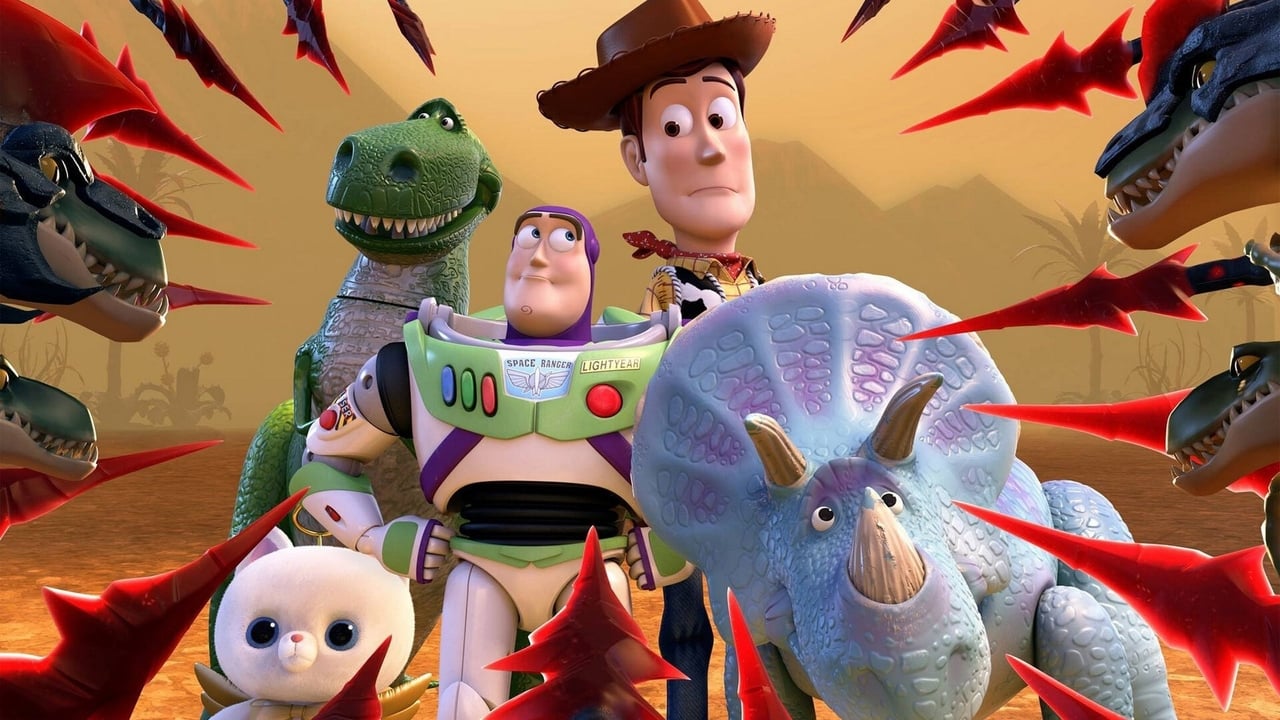
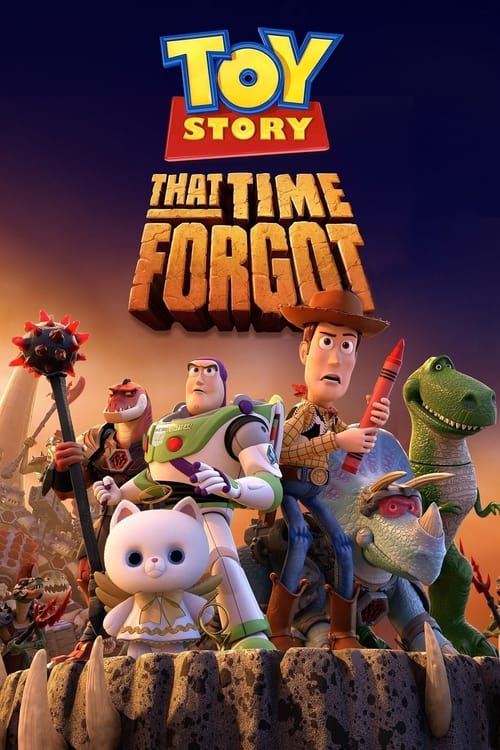
(2014)This Toy Story holiday special follows Bonnie’s toys during a post-Christmas play date, where they discover a boxed set of battle-themed dinosaur toys who believe their warrior world is real. The story mixes comedy, action, and rescue-adventure as the toys navigate a fantasy play environment built around combat and role-immersion.
This is a light family adventure overall, but it includes repeated battle language, toy peril, and a strong identity theme about losing yourself in a role. For many Christian families, the main value is not surface content but the chance to talk about truth, identity, and how imagination should serve what is real rather than replace it.
Use the content rating for what is shown on screen, and the Christian guidance rating for what the story may prompt you to discuss.
Content Indicators

Reviewed 25 July 2026
Micah covers action, fantasy, and franchise releases, with close attention to violence, spiritual themes, and moral framing.
Toy Story That Time Forgot Christian Movie Review (2014)
Guidance: Talk Together
This is a light family adventure overall, but it includes repeated battle language, toy peril, and a strong identity theme about losing yourself in a role. For many Christian families, the main value is not surface content but the chance to talk about truth, identity, and how imagination should serve what is real rather than replace it.
Why This Guidance Level
This lands in the middle because the surface content is mild, but the film repeatedly centers on battle identity, false self-understanding, and the pull to live inside a made-up role. That does not make it spiritually heavy, but it does give Christian parents worthwhile material to talk through with children.
Faith & Worldview Perspective
The film celebrates friendship, courage, gratitude, and the joy of imaginative play. Its clearest tension is not occult or anti-family material, but the idea that identity can be built around a role, costume, or group story rather than truth. The story ultimately pushes back against that confusion by exposing the false narrative and restoring a toy to his proper purpose. Parents may want to discuss how our deepest identity is not something we invent or perform, but something we receive before God, with lasting hope found in Jesus Christ.
Truths Reflected
- Friendship includes loyalty and helping others when they are confused or afraid.
- Living inside a false story about yourself leads to bondage, while truth brings freedom.
Tensions to Discuss
- The repeated line about not playing a part but becoming it can blur the difference between imagination and identity, which may need discussion in light of who God says we are.
- A character’s worth is briefly tied to armor, status, and performance, which may conflict with a Christian view that identity is received rather than earned.
Content & Discernment Markers
Occult & Spiritual Content
- Occult material does not stand out here. Phrases like “Dream Elder” and grand fantasy language belong to the battle-toy worldbuilding, not to spell-casting, spiritual practice, or supernatural instruction.
Sexuality & Relationships
- Sexual content is not a feature of this special. Interaction between characters stays playful and comic, with no sexualized dialogue or romantic material that would concern most families.
Identity Themes
- A central line early on says, “You must not play the dinosaur, you must be the dinosaur,” and Trier later embraces the battle world as if it defines him. This matters for Christian families because the story shows how easily identity can be shaped by costume, role, and group approval. Parents may want to discuss the difference between imaginative play and letting a false story define who you are.
- The battle toys treat armor and “Battledress” as a mark of worth and belonging. Trier is flattered by being dressed, praised, and made “presentable,” which gives a clear picture of how status and appearance can become substitutes for true identity.
Violence & Intensity
- The middle section is built around battle language and toy peril. Armored dinosaurs speak of conquest, issue threats like “Speak swiftly, foolish outlandish, or suffer my battle blade,” and chant about battle and the “Arena of Woe.” The tone is adventurous rather than graphic, but the repeated threat language is noticeable for younger viewers.
- Several toys are captured, intimidated, and pushed toward arena-style conflict. Menacing creatures snarl, guards carry blades and clubs, and the story uses chase-and-rescue tension to keep the stakes high without becoming visually harsh.
- Opening play includes roaring and “terrifying Tyrannosaurus” language in Bonnie’s pretend game. These moments are brief and playful, though very sensitive children may still react to the noises and monster framing.
Language & Humour
- Language is very mild. The notable phrase is “dang it,” used in frustration, along with a few light put-downs such as “foolish outlandish” in the battle-toy dialogue. There is no stronger profanity or crude humor driving the comedy.
Other Content Notes
- The story contrasts physical imaginative play with Mason’s new video game, the Optimum X. That contrast is not anti-technology in a heavy-handed way, but it does frame screens as something that can crowd out shared play and attention. Parents may want to discuss wise enjoyment of entertainment and the value of being present with others.
- The battle-toy society runs on intimidation, hierarchy, and conformity. Characters are expected to fit the system, wear the right armor, and accept the group story without question, which gives families a natural opening to talk about truth and courage.
Notable Moments
- Role becomes identity: Bonnie’s play blurs the line between acting and becoming, setting up the special’s main identity theme.
“You must not play the dinosaur, you must be the dinosaur.”
- Battle-world threat: The dinosaur guards introduce the battle society with direct intimidation and conquest language.
“Speak swiftly, foolish outlandish, or suffer my battle blade.”
- Status through armor: Trier is drawn in by praise, costume, and belonging as Battledress becomes a symbol of worth.
“The Elders shall gaze upon this Battledress with full and rapturous pride.”
Discussion Prompts
- Identity and truth: What happened when Trier started acting like the battle world told him who he was? How is that different from receiving our identity from God?
- Biblical guidance: Christians are not meant to build identity on costumes, status, or group approval. Our truest identity is grounded in belonging to Christ.
- Scripture: Genesis 1:27, Ephesians 2:10, Galatians 2:20
- Imagination and reality: When is pretend play good, and when can pretending start to confuse what is true?
- Biblical guidance: Imagination is a gift, but God calls us to love what is true and to live honestly before Him.
- Scripture: Philippians 4:8, John 8:32
- Peer pressure and belonging: Why did Trier enjoy being accepted by the battle toys so much? Have you ever wanted to fit in so badly that it changed how you acted?
- Biblical guidance: Following the crowd can be powerful, but wisdom means testing what others say instead of simply joining in.
- Scripture: Romans 12:2, Proverbs 1:10, 1 Corinthians 15:33
- Friendship and rescue: How did Woody, Buzz, and the others respond when a friend got pulled into a false story? What does that teach us about loving people well?
- Biblical guidance: Faithful friends do not abandon someone in confusion. They move toward them with patience, truth, and care, reflecting the rescuing love we see fully in Jesus Christ.
- Scripture: Proverbs 17:17, Galatians 6:1, John 15:13
Common questions about Toy Story That Time Forgot
- What age is Toy Story That Time Forgot suitable for?
- Toy Story That Time Forgot suits children of about 6 and older in most families. The main reason is violence and peril. The middle section is built around battle language and toy peril.
- Is Toy Story That Time Forgot okay for a 4-year-old?
- Toy Story That Time Forgot is generally better suited to children of about 6 and up, so a 4-year-old may find parts of it a stretch. The middle section is built around battle language and toy peril. Families whose children handle violence and peril well may still be comfortable watching together.
Age guidance is derived from this review's content findings and the film's official classifications. It is a starting point for your own judgement, not a rule.
Parent comments
Leave a comment on this review
Share a short note on Toy Story That Time Forgot, or help other parents with discernment.
Submit will ask you to sign in first.
Weekend family picks
Get the short family movie list before the weekend
Example newsletter: 3 movies to watch this weekend with your family, plus one question to ask after the credits.
Sample: 3 movies to watch this weekend with your family
One cinema pick, one streaming pick, one conversation-starter pick.
Related Articles
A few bigger-picture reads for parents who want more context than a single review page can hold.

How To Talk With Kids About Magic, Fate, And Spiritual Themes In Movies
Many family movies use magic, destiny, spirits, or cosmic balance to drive the story. This article helps Christian parents respond without overreacting, while still drawing clear lines back to biblical truth.
Read article
Animal Farm And Talking With Kids About Power, Truth, And Sin
Animal Farm can help older children see how slogans, fear, and corrupted authority distort truth, but parents should frame the story with a biblical view of sin.
Read article
How To Talk After A Scary Scene Without Overreacting
Children do not always process fear while the movie is still playing. This guide helps parents respond calmly after intense or unsettling scenes and turn the moment into wise reassurance instead of panic.
Read articleMore Reviews




Official regional ratings
Local ratings remain available for reference, but LionLens separates those classifications from Christian family discernment.
Review Method
How this review was prepared
LionLens reviews are written with subtitle and dialogue evidence where available, official regional ratings data, source research, and final human editorial review before publication.