
Human Reviewed
Parent feedback
38 families found this review helpful
Christian Movie Review
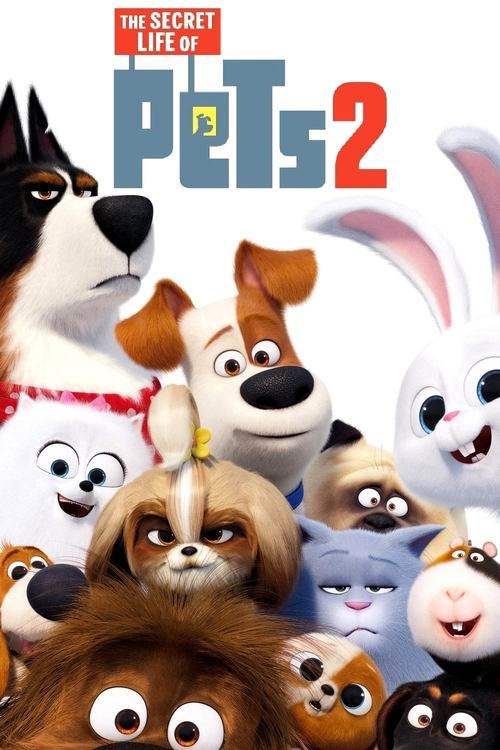
The Secret Life of Pets 2 Christian Movie Review
(2019)Max the terrier must cope with some major life changes when his owner gets married and has a baby. When the family takes a trip to the countryside, nervous Max has numerous run-ins with canine-intolerant cows, hostile foxes and a scary turkey. Luckily for Max, he soon catches a break when he meets Rooster, a gruff farm dog who tries to cure the lovable pooch of his neuroses.
This animated sequel is generally light and playful, but it includes repeated peril, action comedy, and a few rude or coarse words. Its strongest family discussion points are fear, protectiveness, courage, and how love can become anxious control when safety becomes everything.
Start with the content rating, then use the Christian guidance rating to decide how much conversation your family may need.
Content Indicators

Reviewed 18 November 2025
Rachel focuses on animated films, family viewing habits, and helping parents spot worldview themes quickly.
The Secret Life of Pets 2 Christian Movie Review (2019)
Guidance: Low Concern
This animated sequel is generally light and playful, but it includes repeated peril, action comedy, and a few rude or coarse words. Its strongest family discussion points are fear, protectiveness, courage, and how love can become anxious control when safety becomes everything.
Why This Guidance Level
The main concerns here are family-film peril, chase-and-threat sequences, and some rude language and insults. The movie is not especially heavy in sexual content or spiritual material, but it does give parents a worthwhile opening to talk about fear, courage, and the difference between loving someone and trying to control every danger around them.
Faith & Worldview Perspective
The film leans into themes of love, responsibility, bravery, and helping others. It reflects a real truth that caring for someone can change you, and that fear can shrink your world if it rules you. The tension is that courage is mostly framed as self-confidence and instinct rather than trust in God. Christian families may want to discuss how real peace is not found in controlling every risk, but in wise care and hope in Jesus Christ when life feels unsafe.
Truths Reflected
- Love can move someone from self-focus to sacrificial care.
- Fear is real, and courage often grows through help, guidance, and practice.
Tensions to Discuss
- The film treats courage mainly as inner grit rather than dependence on God, which may be worth discussing with children.
- Anxiety-driven protectiveness can look loving, but Christian parents may want to contrast that with trusting God instead of trying to control everything.
Content & Discernment Markers
Occult & Spiritual Content
- Occult material does not stand out here. The superhero play and exaggerated action are comic make-believe rather than spiritual practice. Parents may simply want to remind younger children to distinguish pretend hero talk from real spiritual hope in Christ.
Sexuality & Relationships
- The story includes a simple family setup in which Katie marries Chuck and they have a baby: “Katie and Chuck had a kid of their own. His name’s Liam.” Romance and sexuality are not a major focus.
Identity Themes
- The film centers more on role and responsibility than modern identity messaging. Max shifts from “I don’t” like kids to calling Liam “my kid,” showing belonging through love and care. Parents may want to discuss how our deepest identity is not in feelings that change, but in being made by God and called to love others well.
Violence & Intensity
- There is repeated animated peril tied to Max’s anxiety about keeping Liam safe. Everyday moments are played as dangerous, and Max asks, “Was the world always this dangerous?” This can feel tense for very young viewers even though the tone stays comedic.
- Action-comedy violence appears in superhero play and broader adventure scenes, including fight sounds, explosions on television, and comic threat language such as “Take that, evildoer.” Other reported moments in the film include chases, animals threatening one another, and slapstick injuries without lasting harm.
Language & Humour
- Language is mostly mild, but there is some sharper family-film speech. Max says, “your life ain’t the same,” and the movie also includes rude insults and at least one stronger coarse word, including “pissed,” alongside words like “jerk,” “idiot,” “stupid,” and “turd.” Parents who are careful about speech habits may want to discuss how humor can normalize unkind words.
Other Content Notes
- A major emotional thread is anxiety. Max sees Liam as constantly at risk and says, “I’m never gonna let anything bad happen to him,” followed by “keeping Liam safe is a full-time job.” This lands as loving, but also controlling and fearful. Parents may want to talk about wise protection versus fear that takes over the heart.
- A catnip joke is played for comedy, with a cat acting dazed or high after getting catnip from her owner. It is brief and not central, but some families may still want to note the intoxication-style humor.
Notable Moments
- Family change: The opening establishes Max’s resistance to children before his owner’s marriage and baby reshape his world.
“I’m telling you, once the humans bring a kid home, your life ain’t the same.”
- Fear of danger: Max’s protectiveness turns into visible anxiety as ordinary situations feel threatening.
“Was the world always this dangerous?”
- Love softens fear: Max’s heart changes when Liam shows affection, shifting him from avoidance to attachment.
“Max. I love you, Max.”
- Protective devotion: Max expresses deep loyalty to Liam, which is sweet but also reveals how fear can drive him.
“I’m never gonna let anything bad happen to him.”
Discussion Prompts
- Fear and trust: When Max feels like everything is dangerous, what do you think he needs most: more control, or help learning trust and courage?
- Biblical guidance: Scripture does not deny fear, but it points us to God’s presence and care. Christian courage is not pretending danger is unreal; it is trusting God in the middle of it.
- Scripture: Isaiah 41:10, Psalm 56:3-4, 2 Timothy 1:7
- Love versus anxious control: How can protecting someone be loving, and how can it become fearful or controlling?
- Biblical guidance: Parents and children can talk about wise responsibility while remembering that only God is sovereign. We care faithfully, but we do not carry the world on our shoulders.
- Scripture: Matthew 6:25-34, Psalm 127:1, 1 Peter 5:7
- Growing in courage: What helps someone grow brave when they feel small or nervous?
- Biblical guidance: The film values courage, but Christian hope goes further: strength is not just inside us; the Lord helps us do what is right.
- Scripture: Joshua 1:9, Philippians 4:13, Deuteronomy 31:6
- Speech and humor: Did any of the insults or rude jokes sound funny? Why should Christians still be careful with words, even in comedy?
- Biblical guidance: Humor can make harsh speech feel normal. Jesus calls His people to words that are clean, kind, and life-giving.
- Scripture: Ephesians 4:29, Colossians 4:6, Proverbs 15:1
Common questions about The Secret Life of Pets 2
- What age is The Secret Life of Pets 2 suitable for?
- The Secret Life of Pets 2 suits children of about 8 and older in most families. That follows its official classification. It is rated PG in Australia, the US, New Zealand and Canada, and U in the UK. Language is mostly mild, but there is some sharper family-film speech.
- Is The Secret Life of Pets 2 okay for a 6-year-old?
- The Secret Life of Pets 2 is generally better suited to children of about 8 and up, so a 6-year-old may find parts of it a stretch. It is rated PG in Australia, the US, New Zealand and Canada, and U in the UK. Language is mostly mild, but there is some sharper family-film speech. Families comfortable watching a little above the classification together may still be fine with it.
Age guidance is derived from this review's content findings and the film's official classifications. It is a starting point for your own judgement, not a rule.
Parent comments
Leave a comment on this review
Share a short note on The Secret Life of Pets 2, or help other parents with discernment.
Submit will ask you to sign in first.
Weekend family picks
Get the short family movie list before the weekend
Example newsletter: 3 movies to watch this weekend with your family, plus one question to ask after the credits.
Sample: 3 movies to watch this weekend with your family
One cinema pick, one streaming pick, one conversation-starter pick.
Related Articles
A few bigger-picture reads for parents who want more context than a single review page can hold.

How To Talk With Kids About Magic, Fate, And Spiritual Themes In Movies
Many family movies use magic, destiny, spirits, or cosmic balance to drive the story. This article helps Christian parents respond without overreacting, while still drawing clear lines back to biblical truth.
Read article
Animal Farm And Talking With Kids About Power, Truth, And Sin
Animal Farm can help older children see how slogans, fear, and corrupted authority distort truth, but parents should frame the story with a biblical view of sin.
Read article
How To Talk After A Scary Scene Without Overreacting
Children do not always process fear while the movie is still playing. This guide helps parents respond calmly after intense or unsettling scenes and turn the moment into wise reassurance instead of panic.
Read articleMore Reviews


Official regional ratings
Local ratings remain available for reference, but LionLens separates those classifications from Christian family discernment.
Review Method
How this review was prepared
LionLens reviews are written with subtitle and dialogue evidence where available, official regional ratings data, source research, and final human editorial review before publication.