Human Reviewed
Parent feedback
48 families found this review helpful
Christian Movie Review
How to Train Your Dragon: Legends Christian Movie Review
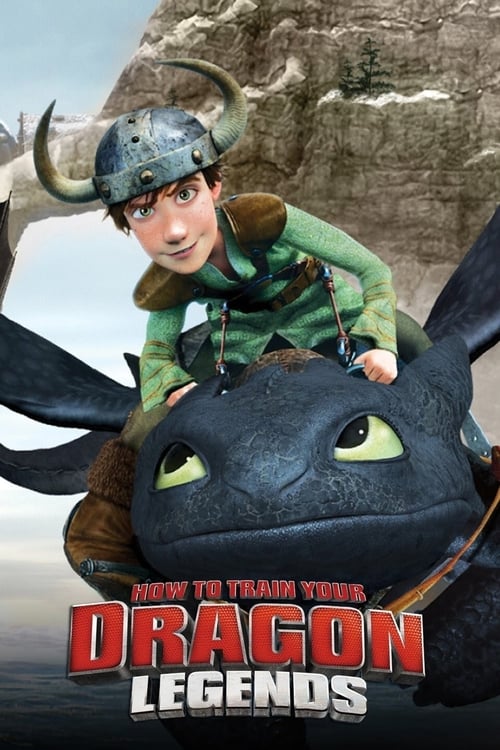
(2010)How to Train Your Dragon: Legends is a 57-minute compilation of short animated stories from the How to Train Your Dragon world. It gathers dragon-focused adventures and franchise worldbuilding into a single package rather than telling one continuous feature-length story.
This animated collection looks light on mature content, but it still carries the usual adventure-franchise elements of creature action, mild peril, and fantasy worldbuilding. For Christian families, the main value is less about objectionable material and more about using the stories to talk about courage, friendship, and how fantasy creatures fit differently from real spiritual truth.
Use the content rating for surface issues and the Christian guidance rating for worldview and follow-up conversation.
Content Indicators

Reviewed 18 February 2026
Rachel focuses on animated films, family viewing habits, and helping parents spot worldview themes quickly.
How to Train Your Dragon: Legends Christian Movie Review (2010)
Guidance: Low Concern
This animated collection looks light on mature content, but it still carries the usual adventure-franchise elements of creature action, mild peril, and fantasy worldbuilding. For Christian families, the main value is less about objectionable material and more about using the stories to talk about courage, friendship, and how fantasy creatures fit differently from real spiritual truth.
Why This Guidance Level
This lands in a middle category because the likely surface content is mild, but the fantasy-adventure setting and legend-heavy framing give parents worthwhile conversation points. It is less about major red flags and more about helping children process bravery, creatures, and myth through a Christian lens.
Faith & Worldview Perspective
The collection leans into fantasy adventure, creature lore, and legend. That can reflect good themes like curiosity, courage, and friendship, but it also invites children to treat mythic storytelling as emotionally powerful. Parents may want to discuss how imagination can be enjoyed while truth, worship, and hope belong to God and are fulfilled in Jesus Christ, not in legends or creatures.
Truths Reflected
- Friendship and loyalty can be used for good.
- Learning about the world can be a healthy expression of curiosity.
Tensions to Discuss
- Legend-centered storytelling can blur the line between imaginative fantasy and what is spiritually true, so children may need help keeping those categories clear.
- A creature-focused fantasy world can capture wonder, but Christian hope is not found in mythic beings; it is found in Jesus Christ.
Content & Discernment Markers
Occult & Spiritual Content
- Occult material does not stand out here. The spiritual texture is fantasy legend and dragon mythology rather than explicit spell-casting, ritual practice, or supernatural teaching. Parents may still want to remind younger children that dragons and legends belong to imaginative storytelling, not real spiritual authority.
Sexuality & Relationships
- Sexual content is not a notable feature in this collection from the film. Any relationship material is likely to sit in the background rather than drive the experience for families.
Identity Themes
- The strongest identity thread is likely belonging within a group and learning one’s place in an adventurous world. That can open a useful family conversation about finding identity in God’s design rather than in skill, creature-bonding, or group approval.
Violence & Intensity
- Because this is an animated dragon-adventure compilation, families should expect action beats, chase-style movement, creature threat, and moments of peril tied to dragons and racing or pursuit. The concern is more family-adventure intensity than graphic harm, but younger viewers may still react to large creature designs or suspenseful confrontations.
Language & Humour
- Strong profanity and crude humor do not stand out here. Parents should expect the usual broad animated banter more than language that would shape the viewing decision.
Other Content Notes
- This is a compilation of shorts rather than one continuous story, which can make the tone feel brisk and episodic. That format may work well for shorter attention spans, but it can also mean repeated bursts of action and creature-centered excitement without much pause. Parents may want to stop between segments and talk through what stood out.
Notable Moments
- Short-film compilation: The release is structured as a package of multiple shorts rather than one continuous feature, so families are getting several brief dragon-world stories in one sitting.
- Dragon lore focus: One included short centers on a ‘Book of Dragons,’ pointing to a worldbuilding emphasis on learning about dragon types and traits.
- Legend framing: The title and included material emphasize legends and dragon stories, which gives the collection a mythic, storybook tone.
Discussion Prompts
- Imagination and truth: What makes fantasy stories fun, and how can we enjoy them without confusing them with what is spiritually true?
- Biblical guidance: The Bible welcomes imagination and storytelling, but it calls us to test everything by truth and keep our worship centered on God alone.
- Scripture: Philippians 4:8, 1 Thessalonians 5:21
- Courage and fear: When characters face danger, what kind of courage do they show, and how is that different from reckless behavior?
- Biblical guidance: Biblical courage is not pretending fear is gone; it is trusting God and doing what is right in the middle of fear.
- Scripture: Joshua 1:9, Psalm 56:3-4
- Knowledge and wisdom: Is learning facts about creatures enough, or do we also need wisdom about how to use what we know?
- Biblical guidance: Scripture teaches that knowledge matters, but wisdom begins with the fear of the Lord and should lead to humble choices.
- Scripture: Proverbs 1:7, James 1:5
- Where hope belongs: What gives the characters a sense of wonder, and where should our deepest hope and security come from?
- Biblical guidance: Stories can stir wonder, but Christian hope is not in legends, creatures, or adventure. Our lasting hope is in Jesus Christ.
- Scripture: Colossians 1:16-17, 1 Peter 1:3
Common questions about How to Train Your Dragon: Legends
- What age is How to Train Your Dragon: Legends suitable for?
- How to Train Your Dragon: Legends suits children of about 6 and older in most families. The main reason is violence and peril. Because this is an animated dragon-adventure compilation, families should expect action beats, chase-style movement, creature threat, and moments of peril tied to dragons and racing or pursuit.
- Is How to Train Your Dragon: Legends okay for a 4-year-old?
- How to Train Your Dragon: Legends is generally better suited to children of about 6 and up, so a 4-year-old may find parts of it a stretch. Because this is an animated dragon-adventure compilation, families should expect action beats, chase-style movement, creature threat, and moments of peril tied to dragons and racing or pursuit. Families whose children handle violence and peril well may still be comfortable watching together.
Age guidance is derived from this review's content findings and the film's official classifications. It is a starting point for your own judgement, not a rule.
Parent comments
Leave a comment on this review
Share a short note on How to Train Your Dragon: Legends, or help other parents with discernment.
Submit will ask you to sign in first.
Weekend family picks
Get the short family movie list before the weekend
Example newsletter: 3 movies to watch this weekend with your family, plus one question to ask after the credits.
Sample: 3 movies to watch this weekend with your family
One cinema pick, one streaming pick, one conversation-starter pick.
Related Articles
A few bigger-picture reads for parents who want more context than a single review page can hold.

How To Talk With Kids About Magic, Fate, And Spiritual Themes In Movies
Many family movies use magic, destiny, spirits, or cosmic balance to drive the story. This article helps Christian parents respond without overreacting, while still drawing clear lines back to biblical truth.
Read article
Animal Farm And Talking With Kids About Power, Truth, And Sin
Animal Farm can help older children see how slogans, fear, and corrupted authority distort truth, but parents should frame the story with a biblical view of sin.
Read article
How To Talk After A Scary Scene Without Overreacting
Children do not always process fear while the movie is still playing. This guide helps parents respond calmly after intense or unsettling scenes and turn the moment into wise reassurance instead of panic.
Read articleMore Reviews



Official regional ratings
Local ratings remain available for reference, but LionLens separates those classifications from Christian family discernment.
Review Method
How this review was prepared
LionLens reviews are written with subtitle and dialogue evidence where available, official regional ratings data, source research, and final human editorial review before publication.