Human Reviewed
Parent feedback
64 families found this review helpful
Christian Movie Review
Fly Away Home Christian Movie Review
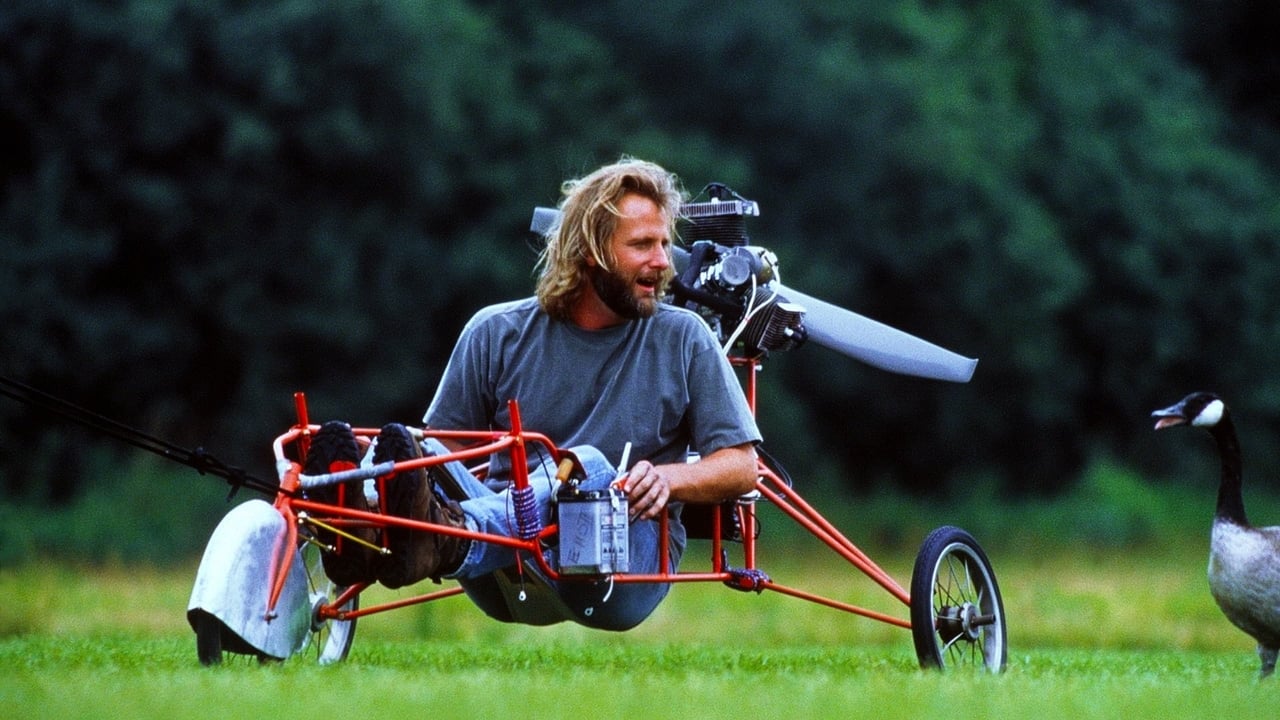
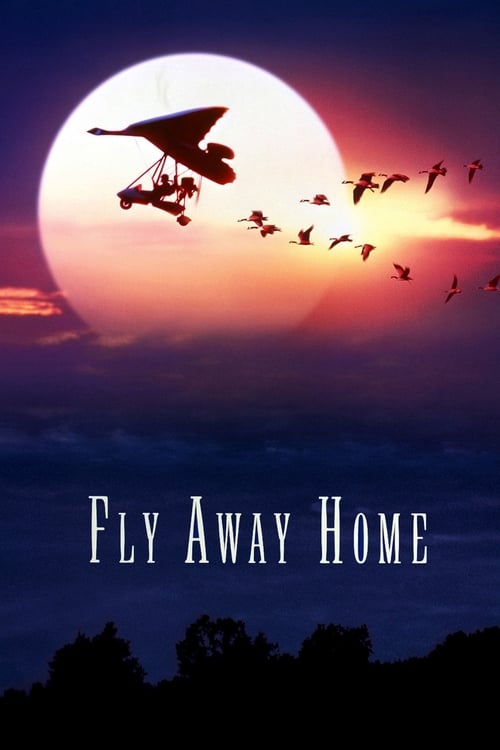
(1996)Fly Away Home is a family drama about a 13-year-old girl who moves to Canada after her mother dies and slowly reconnects with her eccentric father. As they care for a group of geese, the story blends grief, family healing, and environmental themes with light adventure.
This is a gentle, heartfelt family film, but it opens with a mother's death and includes a few moments of peril, conflict, and mild coarse language. Its strongest value for Christian families is the chance to talk about grief, reconciliation, stewardship, and where true hope is found.
Use the content rating for surface issues and the Christian guidance rating for the deeper conversations the film may open up.
Content Indicators

Reviewed 13 May 2026
Esther handles review quality, clarity, and the practical guidance families need after the credits roll.
Fly Away Home Christian Movie Review (1996)
Guidance: Low Concern
This is a gentle, heartfelt family film, but it opens with a mother’s death and includes a few moments of peril, conflict, and mild coarse language. Its strongest value for Christian families is the chance to talk about grief, reconciliation, stewardship, and where true hope is found.
Why This Guidance Level
This lands in the middle guidance range because the surface content is mild, but the story deals directly with bereavement, strained family relationships, and a child working through anger and belonging. Many families will find it gentle and worthwhile, yet the emotional weight and worldview conversations make active discussion helpful.
Faith & Worldview Perspective
Fly Away Home honors family loyalty, sacrificial care, perseverance, and concern for creation. It treats animals and the natural world as worthy of protection, which can connect well with a Christian view of stewardship. The film also shows that broken relationships can be repaired through patience and love. Its main tension is that healing is framed through human effort, family restoration, and meaningful work rather than through repentance, prayer, or hope in Jesus Christ. Parents may want to discuss how the film reflects common grace while pointing children to Christ as the deeper source of comfort and restoration.
Truths Reflected
- Creation is valuable and should be cared for responsibly.
- Family relationships can be mended through humility, patience, and love.
Tensions to Discuss
- The story offers emotional healing without directing grief toward God or the hope believers have in Jesus Christ.
- A child’s identity and stability are rebuilt mainly through purpose and belonging, which are good gifts but not ultimate foundations.
Content & Discernment Markers
Occult & Spiritual Content
- Occult material does not stand out here. The film’s emotional and moral focus stays on grief, family, animals, and perseverance. Parents may simply use that absence to contrast the film’s natural-world wonder with Christian gratitude to the Creator.
Sexuality & Relationships
- There is a light relational thread involving Amy’s father and his female friend Susan, who is introduced as “a friend of mine” and is staying at the house at times. The film treats this gently, without sexualized material, but some parents may want to note the casual adult relationship dynamic.
- An implied comic moment involves Amy in the shower when an adult accidentally sees her after a panicked interruption, but no nudity is shown. This is brief and played for embarrassment rather than sensuality.
Identity Themes
- Amy’s sense of self is shaken by her mother’s death and by being uprooted to live with a father she barely knows. Her line, “I’d rather die than go back there,” shows how deeply disoriented and resistant she feels. Parents may want to discuss where children should anchor identity and security when life changes suddenly.
Violence & Intensity
- The opening loss of Amy’s mother in a car accident is the film’s most serious emotional blow. The crash is important because it sets the whole story in motion and may be painful for children who have experienced loss.
- There is family-adventure peril involving geese and human interference, including hunters shooting at geese. The danger is not relentless, but it adds tension around whether the birds will survive.
- In one confrontation, a police officer trying to clip a goose’s wings is hit over the head with a metal bowl. The moment is abrupt and comic-spirited rather than graphic, but it is still physical aggression that parents may want to mention.
Language & Humour
- Language is mostly mild. The film includes “colder than hell,” and outside the excerpt one stronger profanity is reported. There is also some sharp argumentative speech in tense scenes. For most families, this is limited rather than defining.
Other Content Notes
- Grief is central from the start when Amy asks, “Mum died, didn’t she?” The film stays tender rather than bleak, but the sadness is real and may stir personal questions about death and comfort.
- Environmental conflict becomes a major thread as adults argue over development and the destruction of a marsh. Lines like “By destroying the marsh, they’ve accomplished their objective” frame the issue as a moral concern about what people owe the land and its creatures. Parents may want to discuss stewardship as care under God’s authority, not nature worship.
Notable Moments
- Amy learns of her mother’s death: The film quickly establishes its emotional core when Amy realizes why her father has come for her.
“Mum died, didn’t she?”
- Amy rejects school and lashes out: Her grief and dislocation come to the surface in a line that shows how overwhelmed she feels.
“I’d rather die than go back there.”
- Marsh preservation debate: A town meeting frames the environmental conflict in moral terms and gives the film one of its clearest civic themes.
“By destroying the marsh, they’ve accomplished their objective… which is, there’s nothing left to save.”
Discussion Prompts
- Grief and comfort: When Amy loses her mother, where does she look for comfort, and where can we turn when we are hurting?
- Biblical guidance: The film shows real sorrow, but Christian hope reminds us that God is near to the brokenhearted and that comfort is deepest in Jesus Christ.
- Scripture: Psalm 34:18, 2 Corinthians 1:3-4, 1 Thessalonians 4:13-14
- Family reconciliation: What helps Amy and her father begin trusting each other again, and what does God ask of families when relationships are strained?
- Biblical guidance: Patience, truthfulness, and love help rebuild trust, and Christians are called to forgive as they have been forgiven in Christ.
- Scripture: Colossians 3:12-14, Ephesians 4:31-32
- Stewardship of creation: Why does the film care so much about the geese and the marsh, and how is caring for creation different from treating nature as ultimate?
- Biblical guidance: Creation matters because it belongs to God. We care for it as stewards under Him, not as worshipers of it.
- Scripture: Genesis 1:28, Psalm 24:1, Proverbs 12:10
- Identity and belonging: Amy feels uprooted and angry. What are some false places people look for identity, and what makes a person secure before God?
- Biblical guidance: Purpose, family, and achievement are gifts, but a lasting identity is found in being known and loved by God through Jesus Christ.
- Scripture: Psalm 139:13-16, Galatians 2:20, 1 Peter 2:9-10
Common questions about Fly Away Home
- What age is Fly Away Home suitable for?
- Fly Away Home suits children of about 6 and older in most families. The main reason is language. Language is mostly mild.
- Is Fly Away Home okay for a 4-year-old?
- Fly Away Home is generally better suited to children of about 6 and up, so a 4-year-old may find parts of it a stretch. Language is mostly mild. Families whose children handle language well may still be comfortable watching together.
Age guidance is derived from this review's content findings and the film's official classifications. It is a starting point for your own judgement, not a rule.
Parent comments
Leave a comment on this review
Share a short note on Fly Away Home, or help other parents with discernment.
Submit will ask you to sign in first.
Weekend family picks
Get the short family movie list before the weekend
Example newsletter: 3 movies to watch this weekend with your family, plus one question to ask after the credits.
Sample: 3 movies to watch this weekend with your family
One cinema pick, one streaming pick, one conversation-starter pick.
Related Articles
A few bigger-picture reads for parents who want more context than a single review page can hold.

How To Talk With Kids About Magic, Fate, And Spiritual Themes In Movies
Many family movies use magic, destiny, spirits, or cosmic balance to drive the story. This article helps Christian parents respond without overreacting, while still drawing clear lines back to biblical truth.
Read article
Animal Farm And Talking With Kids About Power, Truth, And Sin
Animal Farm can help older children see how slogans, fear, and corrupted authority distort truth, but parents should frame the story with a biblical view of sin.
Read article
How To Talk After A Scary Scene Without Overreacting
Children do not always process fear while the movie is still playing. This guide helps parents respond calmly after intense or unsettling scenes and turn the moment into wise reassurance instead of panic.
Read articleMore Reviews


Official regional ratings
Local ratings remain available for reference, but LionLens separates those classifications from Christian family discernment.
Review Method
How this review was prepared
LionLens reviews are written with subtitle and dialogue evidence where available, official regional ratings data, source research, and final human editorial review before publication.