
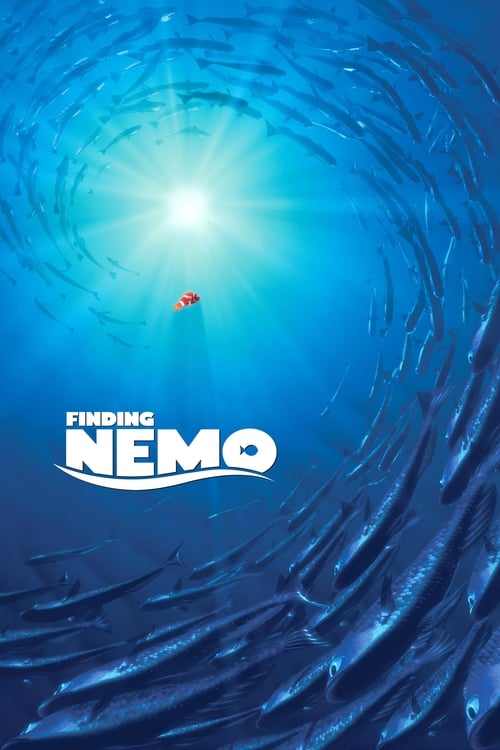
Human Reviewed
Parent feedback
67 families found this review helpful
Christian Movie Review
Finding Nemo Christian Movie Review
(2003)Finding Nemo is an animated adventure about a clownfish father whose deep fear of the ocean shapes how he raises his son. After a sudden family tragedy, the story follows a child eager for independence and a parent learning how love, courage, and trust fit together.
This is a warm, funny family film with strong themes of parental love and perseverance, but it also includes an intense opening loss and repeated moments of peril that can hit younger children hard. For many Christian families, the bigger value is in the conversations it opens about fear, protection, courage, and letting children grow.
Use the content rating for scary intensity and the Christian guidance rating for the film's strong family and character themes.
Content Indicators

Reviewed 2 April 2026
Micah covers action, fantasy, and franchise releases, with close attention to violence, spiritual themes, and moral framing.
Finding Nemo Christian Movie Review (2003)
Guidance: Low Concern
This is a warm, funny family film with strong themes of parental love and perseverance, but it also includes an intense opening loss and repeated moments of peril that can hit younger children hard. For many Christian families, the bigger value is in the conversations it opens about fear, protection, courage, and letting children grow.
Why This Guidance Level
Finding Nemo stays within the normal range for mainstream family viewing, but the opening tragedy and repeated peril can be intense for younger children. At the same time, the story raises worthwhile family conversations about fear, trust, disability, courage, and the difference between loving protection and controlling anxiety, which is why discussion is helpful.
Faith & Worldview Perspective
The film values family loyalty, perseverance, compassion, and the dignity of a child with a physical limitation. Its central tension is not rebellion for rebellion’s sake, but a father’s fear-driven need to control what he cannot secure. That gives Christian families a useful contrast: love is good, but fear can distort love when it tries to replace trust in God. Parents may want to discuss how courage does not mean pretending danger is unreal, but facing it with wisdom and hope in Christ rather than panic.
Truths Reflected
- A parent’s love is sacrificial and protective.
- Children with physical differences still bear dignity, ability, and worth.
Tensions to Discuss
- Fear can function like a ruling power when safety becomes the highest good instead of trust in God.
- The story offers moral growth through experience and relationships, but it does not point to Jesus Christ as the deepest source of security or hope.
Content & Discernment Markers
Occult & Spiritual Content
- Occult material does not stand out here. The story is grounded in family adventure, danger, and emotional growth rather than spiritual practices or supernatural teaching.
Sexuality & Relationships
- There is no meaningful sexual content. The early scenes show a married fish couple preparing for their children, with affectionate but innocent family dialogue.
Identity Themes
- Nemo’s smaller fin is openly noticed by others, including a hurtful comment like, “What’s wrong with his fin? He looks funny.” His father answers, “He was born with it. We call it his lucky fin,” framing his difference with care rather than shame. Parents may want to discuss how Christians honor people made in God’s image and respond to weakness with kindness, not mockery.
Violence & Intensity
- The opening includes a sudden attack on Marlin and Coral’s home. The scene turns frantic with cries of “Get away, get away!” and “Coral! Coral?” before Marlin is left consoling the surviving egg: “Daddy’s here… I promise, I will never let anything happen to you… Nemo.” This is one of the film’s heaviest moments and may unsettle sensitive children.
- After the opening, the film keeps a steady sense of danger around the ocean. Marlin repeatedly warns Nemo that “It’s not safe,” and the school-day scenes build tension around sharks, crossing open water, and the father’s anxious fear of what could happen.
Language & Humour
- Language is very mild. Most verbal concerns are teasing or childish put-downs, such as calling Marlin “clownie” and a classmate saying Nemo “looks funny.” Some humor also comes from awkward embarrassment and social fumbling rather than coarse speech.
Other Content Notes
- A major emotional thread is overprotective parenting. Marlin’s fear shows up in lines like “Are you sure you want to go to school this year?” and repeated safety drills before Nemo can even leave home. This matters for Christian families because loving protection can slide into fear-based control. Parents may want to discuss the difference between wise caution and anxious parenting.
- Schoolyard teasing appears briefly when other children focus on Nemo’s fin and when adults joke awkwardly with Marlin. The film does not celebrate cruelty, but it does show the sting of being singled out.
Notable Moments
- Opening family loss: A peaceful family scene is interrupted by a sudden attack, leaving Marlin alone with one surviving egg.
“There, there, there. It’s OK. Daddy’s here. Daddy’s got you. I promise, I will never let anything happen to you… Nemo.”
- Fear-driven parenting: Marlin’s anxiety shapes how he talks to Nemo about school, safety, and the wider world.
“Are you sure you want to go to school this year? There’s no problem if you don’t. You can wait 5 or 6 years.”
- Dignity amid difference: Nemo’s physical limitation is named directly, and Marlin tries to protect his son from shame.
“He was born with it. We call it his lucky fin.”
- Ocean danger theme: The film clearly teaches that the world outside home is beautiful but risky.
“What’s the one thing we have to remember about the ocean? - It’s not safe.”
Discussion Prompts
- Fear and trust: Why was Marlin so afraid to let Nemo go, and when can love turn into fear that controls other people?
- Biblical guidance: Scripture calls parents to wise care, but not to be ruled by fear. Christian hope rests in God’s faithful care, not in our ability to control every danger.
- Scripture: Isaiah 41:10, Philippians 4:6-7, Psalm 56:3-4
- Courage and growing up: What is the difference between being reckless and being brave? How can a child grow in responsibility while still honoring a parent?
- Biblical guidance: Children are called to obey and honor parents, and parents are called to raise them wisely rather than provoking them through fear or discouragement.
- Scripture: Ephesians 6:1-4, Luke 2:52, Proverbs 22:6
- Kindness toward weakness: How did others respond to Nemo’s fin, and what would a Christlike response look like when someone is different or limited?
- Biblical guidance: God’s people are called to show honor, compassion, and special care toward those who are easily overlooked or mocked.
- Scripture: 1 Corinthians 12:22-24, Romans 15:1, James 2:1-4
- A parent’s sacrificial love: What does Marlin’s search show about a father’s love, and how does that point in a small way to the greater love of Jesus Christ?
- Biblical guidance: The film reflects a parent’s sacrificial pursuit, which can open a conversation about the even greater saving love and faithful pursuit of Christ.
- Scripture: John 10:11, Romans 5:8, Luke 15:4-7
Common questions about Finding Nemo
- What age is Finding Nemo suitable for?
- Finding Nemo suits children of about 6 and older in most families. The main reason is violence and peril. The opening includes a sudden attack on Marlin and Coral's home.
- Is Finding Nemo okay for a 4-year-old?
- Finding Nemo is generally better suited to children of about 6 and up, so a 4-year-old may find parts of it a stretch. The opening includes a sudden attack on Marlin and Coral's home. Families whose children handle violence and peril well may still be comfortable watching together.
Age guidance is derived from this review's content findings and the film's official classifications. It is a starting point for your own judgement, not a rule.
Parent comments
Leave a comment on this review
Share a short note on Finding Nemo, or help other parents with discernment.
Submit will ask you to sign in first.
Weekend family picks
Get the short family movie list before the weekend
Example newsletter: 3 movies to watch this weekend with your family, plus one question to ask after the credits.
Sample: 3 movies to watch this weekend with your family
One cinema pick, one streaming pick, one conversation-starter pick.
Related Articles
A few bigger-picture reads for parents who want more context than a single review page can hold.

How To Talk With Kids About Magic, Fate, And Spiritual Themes In Movies
Many family movies use magic, destiny, spirits, or cosmic balance to drive the story. This article helps Christian parents respond without overreacting, while still drawing clear lines back to biblical truth.
Read article
Animal Farm And Talking With Kids About Power, Truth, And Sin
Animal Farm can help older children see how slogans, fear, and corrupted authority distort truth, but parents should frame the story with a biblical view of sin.
Read article
How To Talk After A Scary Scene Without Overreacting
Children do not always process fear while the movie is still playing. This guide helps parents respond calmly after intense or unsettling scenes and turn the moment into wise reassurance instead of panic.
Read articleMore Reviews




Official regional ratings
Local ratings remain available for reference, but LionLens separates those classifications from Christian family discernment.
Review Method
How this review was prepared
LionLens reviews are written with subtitle and dialogue evidence where available, official regional ratings data, source research, and final human editorial review before publication.