Human Reviewed
Parent feedback
43 families found this review helpful
Christian Movie Review
Duck Duck Goose Christian Movie Review
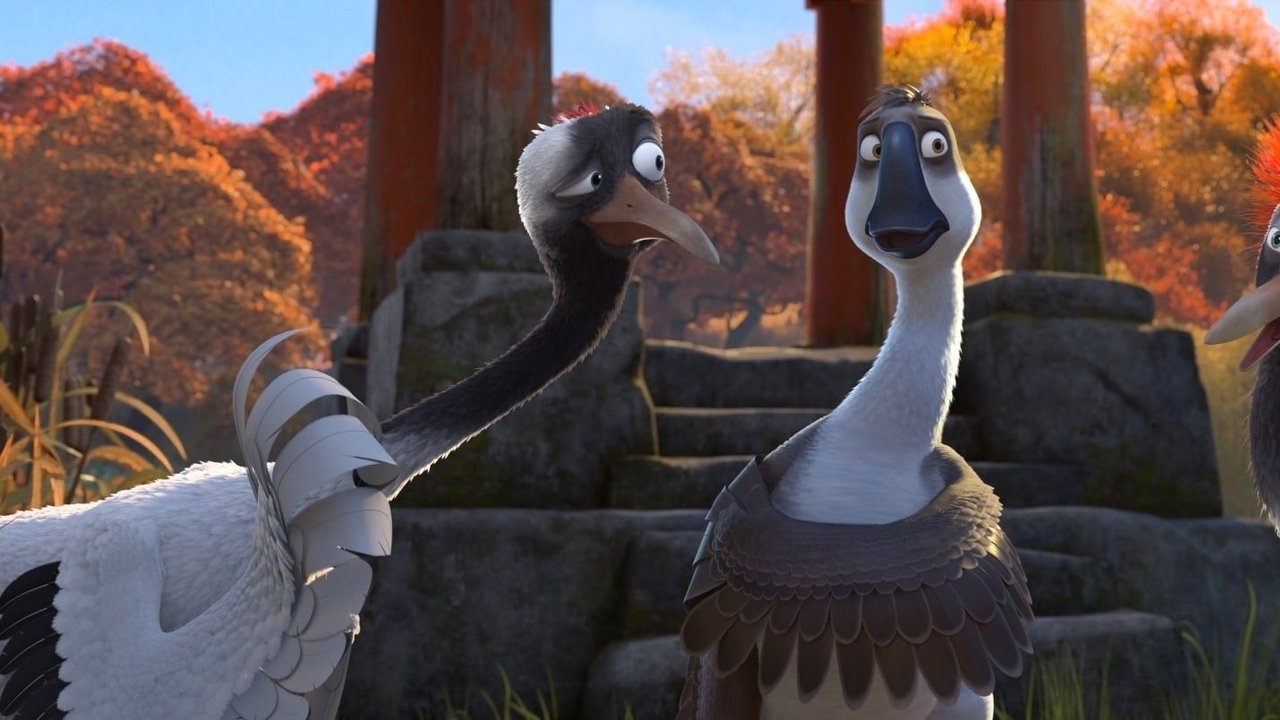
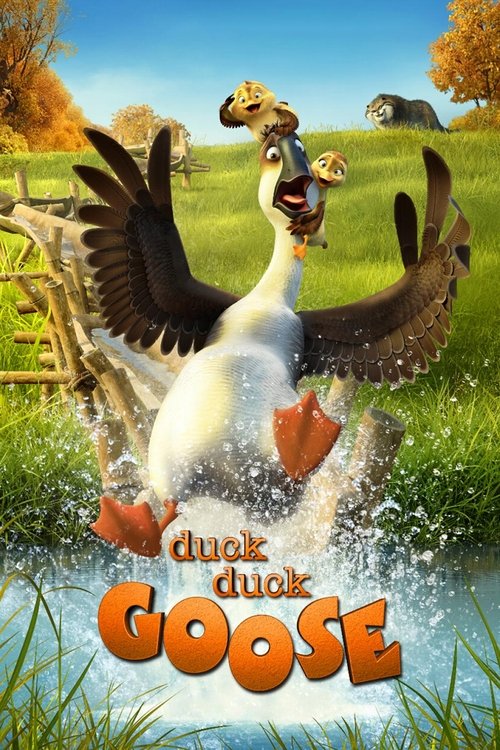
(2018)After he’s grounded by an injury, a high-flying bachelor is saddled with two wide-eyed orphans as they come face-to-face with the dangers and beauty of the outside world.
This animated adventure leans light and comic, but it includes repeated predator danger, slapstick injury, and a steady stream of crude bird-and-body humor. Its strongest takeaway is a positive one: a selfish character learns responsibility, sacrifice, and care for others.
Start with the content rating, then use the Christian guidance rating to decide how much conversation your family may need.
Content Indicators

Reviewed 8 April 2026
Rachel focuses on animated films, family viewing habits, and helping parents spot worldview themes quickly.
Duck Duck Goose Christian Movie Review (2018)
Guidance: Low Concern
This animated adventure leans light and comic, but it includes repeated predator danger, slapstick injury, and a steady stream of crude bird-and-body humor. Its strongest takeaway is a positive one: a selfish character learns responsibility, sacrifice, and care for others.
Why This Guidance Level
The main concerns here are not heavy adult material but repeated family-film peril and crude humor. Predators threaten to eat smaller birds, characters face chase scenes and comic injuries, and the dialogue includes potty jokes, vomit humor, and a few crude phrases. At the same time, the story clearly pushes Peng away from pride and toward responsibility, making this a film many families may want to talk through rather than treat as entirely carefree viewing.
Faith & Worldview Perspective
The film values family, community, humility, and learning to protect the weak. Peng begins as proud, reckless, and self-focused, but the story pushes him toward sacrificial care for others, which reflects biblical truth about maturity and love. The main tension is not theological so much as moral tone: some authority figures and peers use ridicule, and the humor often leans crude. Parents may want to discuss how true strength is shown not by showing off, but by serving others as Christ teaches.
Truths Reflected
- The story affirms that selfishness harms relationships, while responsibility and care help a community flourish.
- It shows that love often means protecting and guiding those who are weaker or younger.
Tensions to Discuss
- Some humor treats crude talk and humiliation as normal, which can dull a child’s sense of wholesome speech.
- The film sometimes frames worth around performance and belonging to the group, which parents may want to contrast with identity and hope rooted in Jesus Christ.
Content & Discernment Markers
Occult & Spiritual Content
- Occult material does not stand out here. The story is built around animal adventure, migration, danger, and family-style bonds rather than spiritual practices or supernatural teaching.
Sexuality & Relationships
- A flirtatious exchange appears when Peng tries to charm a female bird with lines about finding a secluded spot to enjoy the harvest moon and joking, “I made the moon for you.” The moment is light and brief, but parents of younger children may still notice the romantic teasing.
Identity Themes
- The film centers on belonging, maturity, and whether Peng will “show you belong to this flock.” That can open a useful conversation about finding identity in faithful love and character, not just talent, approval, or group status. Parents may want to discuss where our deepest worth comes from.
Violence & Intensity
- Predator danger is a recurring part of the story. Two small birds are described as “so vulnerable, so sad, so delicious,” and a predator says, “They’re sitting ducks. Let’s eat them now.” The threat is stylized for family animation, but it is repeated enough that sensitive children may feel the tension.
- There is frequent slapstick peril: hard landings, collisions, falls, chase scenes, and comic injury. One scene plays up panic over a missing leg with lines like “My leg has gone. Completely gone!” before revealing it as a joke. Parents may want to discuss the difference between cartoon comedy and real-world harm.
- Dialogue also includes references to death and danger, such as “only one in five of us are likely to die” and “if I don’t eat something soon, I’m gonna die. To death!” These are often played for laughs, but they keep mortality in the background of the adventure.
Language & Humour
- Most of the language is mild, but there is repeated rude and crude humor. Characters use insults like “weak link,” “loose goose,” “slowpokes,” and “weirdos,” along with an unfinished “What the…” Parents may also notice mocking banter used to embarrass or belittle others.
- Crude bodily humor is more noticeable than profanity. The film jokes about “nature’s call,” “poop deck,” “poo bombs,” barfing, and “giblets in a bag stuffed up our communal hoo-ha.” These lines are meant as silly bird humor, but they are the kind of phrases many Christian families may want to flag and discuss.
Other Content Notes
- Gross-out comedy includes warnings that eating caterpillars will leave a duckling “barfing up chunks,” along with droppings jokes during flight. This material is brief but memorable for younger viewers.
- The emotional core is healthier than the humor. Peng is challenged to stop living like life is “always a race” and to care for others instead of chasing his own image. Parents may want to discuss how Jesus calls us to humility, service, and love for the vulnerable.
Notable Moments
- Predator threat: A tense comic moment frames the ducklings as prey and makes eating them the immediate goal.
“They’re sitting ducks. Let’s eat them now.”
- Crude bird humor: A training speech turns into a string of potty jokes that younger viewers are likely to remember.
“Please check before you answer nature’s call. Or at least give a brother a honk.”
- Growth challenge: Peng is directly confronted about his immaturity and given responsibility for younger flyers.
“I’m giving you one more chance to grow up. Show you belong to this flock.”
- Community lesson: An older voice warns Peng that a life built only on winning can leave him isolated.
“If you live your life like it’s always a race, chances are you’ll get exactly what you want.”
Discussion Prompts
- Pride and humility: How does Peng’s pride affect the people around him, and what changes when he starts caring for others?
- Biblical guidance: Scripture warns that pride leads to downfall, while humility opens the way to wisdom and love.
- Scripture: Proverbs 16:18, Philippians 2:3-4
- Responsibility for the vulnerable: Why is caring for younger or weaker characters an important part of growing up?
- Biblical guidance: God calls His people to protect, serve, and look out for others rather than living only for themselves.
- Scripture: Galatians 6:2, Mark 10:45
- Speech and crude humor: Which jokes in the movie were silly, and which ones crossed into speech that does not honor God?
- Biblical guidance: Christians are called to use words that are clean, helpful, and fitting, even when joking.
- Scripture: Ephesians 4:29, Ephesians 5:4
- Belonging and identity: What does the movie say about belonging to the flock, and how is that different from the security we have in Jesus Christ?
- Biblical guidance: Our deepest identity is not based on performance or popularity but on being known and loved by God in Christ.
- Scripture: John 1:12, Romans 8:15-17
Common questions about Duck Duck Goose
- What age is Duck Duck Goose suitable for?
- Duck Duck Goose suits children of about 8 and older in most families. That follows its official classification. It is rated PG in Australia, the US, New Zealand, the UK and Canada. Most of the language is mild, but there is repeated rude and crude humor.
- Is Duck Duck Goose okay for a 6-year-old?
- Duck Duck Goose is generally better suited to children of about 8 and up, so a 6-year-old may find parts of it a stretch. It is rated PG in Australia, the US, New Zealand, the UK and Canada. Most of the language is mild, but there is repeated rude and crude humor. Families comfortable watching a little above the classification together may still be fine with it.
Age guidance is derived from this review's content findings and the film's official classifications. It is a starting point for your own judgement, not a rule.
Parent comments
Leave a comment on this review
Share a short note on Duck Duck Goose, or help other parents with discernment.
Submit will ask you to sign in first.
Weekend family picks
Get the short family movie list before the weekend
Example newsletter: 3 movies to watch this weekend with your family, plus one question to ask after the credits.
Sample: 3 movies to watch this weekend with your family
One cinema pick, one streaming pick, one conversation-starter pick.
Related Articles
A few bigger-picture reads for parents who want more context than a single review page can hold.

How To Talk With Kids About Magic, Fate, And Spiritual Themes In Movies
Many family movies use magic, destiny, spirits, or cosmic balance to drive the story. This article helps Christian parents respond without overreacting, while still drawing clear lines back to biblical truth.
Read article
Animal Farm And Talking With Kids About Power, Truth, And Sin
Animal Farm can help older children see how slogans, fear, and corrupted authority distort truth, but parents should frame the story with a biblical view of sin.
Read article
How To Talk After A Scary Scene Without Overreacting
Children do not always process fear while the movie is still playing. This guide helps parents respond calmly after intense or unsettling scenes and turn the moment into wise reassurance instead of panic.
Read articleMore Reviews


Official regional ratings
Local ratings remain available for reference, but LionLens separates those classifications from Christian family discernment.
Review Method
How this review was prepared
LionLens reviews are written with subtitle and dialogue evidence where available, official regional ratings data, source research, and final human editorial review before publication.