Human Reviewed
Parent feedback
47 families found this review helpful
Christian Movie Review
Zootopia Christian Movie Review
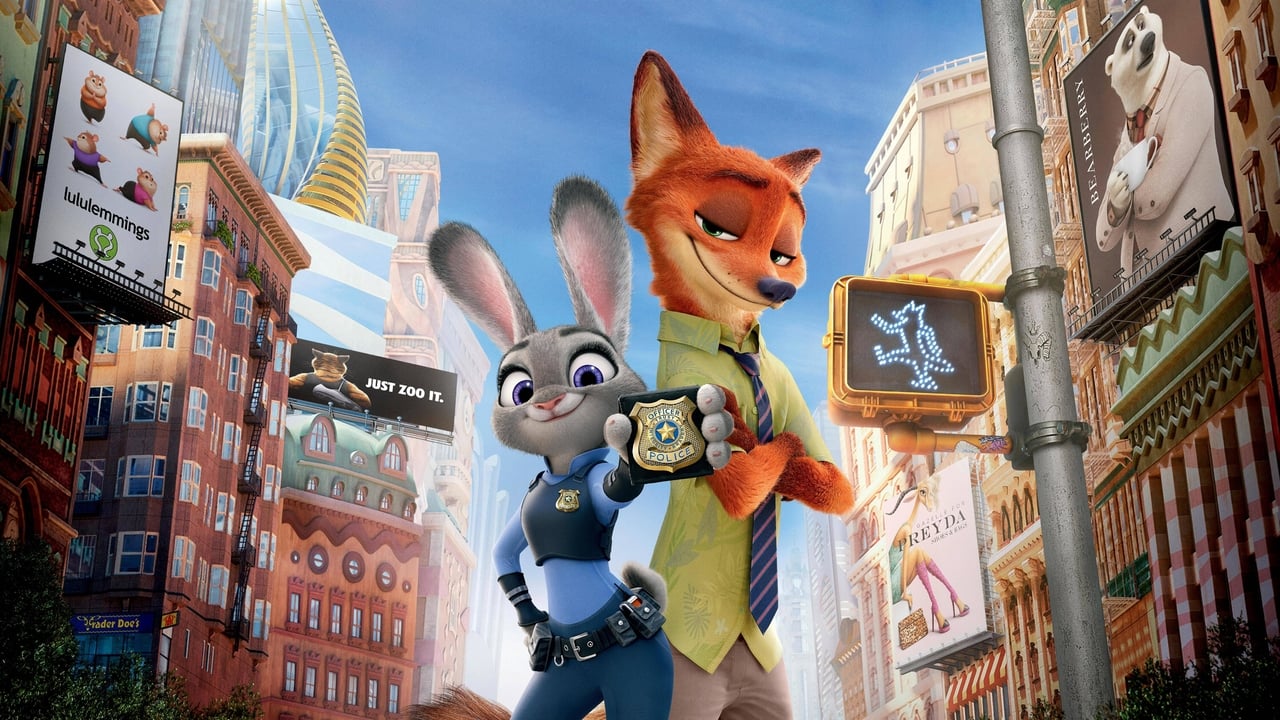
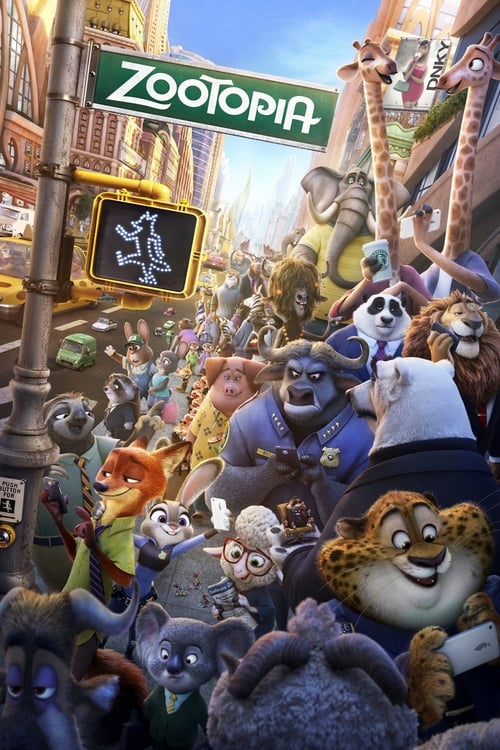
(2016)Determined to prove herself, Officer Judy Hopps, the first bunny on Zootopia's police force, jumps at the chance to crack her first case - even if it means partnering with scam-artist fox Nick Wilde to solve the mystery.
This animated story is upbeat and often funny, but it deals directly with prejudice, fear, and social labeling. Most content concerns are mild for a family film, yet the movie gives parents worthwhile opportunities to talk about stereotypes, courage, and what it means to see others truthfully.
Start with the content rating, then use the Christian guidance rating to decide how much conversation your family may need.
Content Indicators

Reviewed 15 March 2026
Micah covers action, fantasy, and franchise releases, with close attention to violence, spiritual themes, and moral framing.
Zootopia Christian Movie Review (2016)
Guidance: Talk Together
This animated story is upbeat and often funny, but it deals directly with prejudice, fear, and social labeling. Most content concerns are mild for a family film, yet the movie gives parents worthwhile opportunities to talk about stereotypes, courage, and what it means to see others truthfully.
Why This Guidance Level
The main concerns here are not graphic content but the film’s repeated focus on prejudice, fear, and identity-based assumptions. Threat language, bullying, and a few tense moments stay within the normal range for mainstream family animation, but the message invites conversation because it frames social conflict in ways that can both reflect biblical truths about human dignity and oversimplify deeper questions about sin, nature, and identity.
Faith & Worldview Perspective
The film strongly affirms perseverance, courage, and the dignity of those who are underestimated. It also pushes back against prejudice and urges viewers to judge others as individuals rather than by group labels. Those are meaningful themes for Christian families. At the same time, the movie leans heavily on a cultural message of self-definition through the line that “anyone can be anything,” which can sound inspiring but is not always wise or true in a biblical sense. It also treats fear and bias as central moral problems, which is helpful, yet Scripture goes deeper by locating the root problem in the human heart and in sin, not merely in social categories.
Truths Reflected
- People should not be dismissed or mistreated because of stereotypes or background.
- Perseverance, courage, and using gifts to serve others are honorable themes.
Tensions to Discuss
- The message that ‘anyone can be anything’ can encourage self-belief without enough attention to God-given limits, calling, and wisdom.
- The film’s social framework can reduce moral problems to prejudice alone, while Scripture teaches that sin in every heart is the deeper issue.
Content & Discernment Markers
Occult & Spiritual Content
- Occult material does not stand out here. The story world is secular and moral rather than spiritual in its conflicts.
Sexuality & Relationships
- Sexual content is not a notable issue in the film. Relationships are not a major focus in the excerpted scenes.
Identity Themes
- The film’s central conflict turns on group identity and stereotypes, especially predator versus prey. Judy’s stage speech says the city declared that ‘anyone can be anything,’ while other characters insist ‘Bunnies don’t do that’ and ‘There’s never been a bunny cop.’ This matters for Christian families because the movie encourages dignity and opportunity, yet it also frames identity and purpose in a broad self-defining way that may need discussion.
- Judy’s parents warn her that ‘foxes are the worst’ and say, ‘It’s in their biology,’ while Judy pushes back by saying Gideon ‘was a jerk who happened to be a fox.’ This is one of the clearest moments for talking about prejudice, fear, and the difference between wise caution and sinful partiality.
Violence & Intensity
- An opening stage-play narration uses vivid words like ‘Fear. Treachery. Bloodlust,’ followed by ‘maim,’ ‘maul,’ ‘Blood! Blood! Blood! And death.’ The moment is theatrical rather than graphic, but the language is intense enough that sensitive younger children may notice it.
- A bullying scene escalates when Gideon threatens Judy, mocks her fear, and says, ‘I want you to remember this moment… the next time you think… you will ever be anything more than just a stupid… carrot-farming, dumb bunny.’ The scene matters because the threat and humiliation are personal, not just slapstick.
- Police academy training includes repeated comic-danger lines such as ‘You’ll be dead!’ and ‘Dead, dead, dead!’ tied to hazards like sandstorms, falls, ice walls, and criminals. This is stylized family-film peril, but the repeated death language may stand out for some children.
Language & Humour
- Language is mostly mild and comes through insults and put-downs rather than profanity. Notable phrases include ‘stupidest,’ ‘loser,’ ‘dumb little stage play,’ ‘jerk,’ ‘crazy world,’ ‘meek little sheep butt,’ ‘Carrot Face,’ ‘Fluff Butt,’ and ‘dumb bunny.’ Parents are more likely to notice the tone of ridicule than any strong profanity.
Other Content Notes
- The story repeatedly contrasts dream-chasing with settling for safety. Judy’s parents say, ‘If you don’t try anything new, you’ll never fail’ and ‘It’s great to have dreams… just as long as you don’t… believe in them too much.’ This can open a helpful family conversation about courage, humility, and seeking God’s calling rather than simply following feelings.
Notable Moments
- Opening bloodlust language: The film opens with dramatic language about ancient violence between predators and prey, setting up the prejudice theme with surprisingly intense wording for a family movie.
“Fear. Treachery. Bloodlust… to maim, and maul, and… Blood! Blood! Blood! And death.”
- Dreams versus settling: Judy’s parents discourage risk and urge a safer path, creating a meaningful tension between caution and calling.
“If you don’t try anything new, you’ll never fail.”
- Bullying confrontation: Gideon humiliates Judy with species-based insults and tries to intimidate her by appealing to predator instincts.
“I want you to remember this moment… the next time you think… you will ever be anything more than just a stupid… carrot-farming, dumb bunny.”
- Prejudice at home: Even loving parents speak from fear and stereotype when warning Judy about foxes.
“And foxes are the worst… It’s in their biology.”
Discussion Prompts
- Prejudice and partiality: When characters assume things about someone because they are a fox, bunny, predator, or prey, what makes that wrong? How can we be careful without treating people unfairly?
- Biblical guidance: Scripture warns against showing partiality and calls us to treat others as neighbors made in God’s image.
- Scripture: James 2:1-4, Genesis 1:27, Luke 10:27
- Dreams, calling, and humility: The movie says ‘anyone can be anything.’ What is good about that idea, and what might be incomplete about it? How do we seek God’s will instead of only believing in ourselves?
- Biblical guidance: The Bible encourages diligence and courage, but it also teaches us to trust the Lord with our plans and walk humbly.
- Scripture: Proverbs 3:5-6, James 4:13-15, Colossians 3:23
- Responding to bullying: How did Judy respond when she was mocked and threatened? What does it look like to be brave without becoming cruel in return?
- Biblical guidance: Christians are called to show courage, self-control, and kindness even when others speak harshly.
- Scripture: Romans 12:17-18, Ephesians 4:29-32, 1 Peter 3:9
- Fear and truth: How does fear shape the way characters talk about predators? When does fear help us, and when can it lead us away from truth and love?
- Biblical guidance: God does not call us to live under fear, and wise discernment should be guided by truth, not panic or suspicion.
- Scripture: 2 Timothy 1:7, 1 John 4:18, Philippians 4:8
Common questions about Zootopia
- What age is Zootopia suitable for?
- Zootopia suits children of about 8 and older in most families. That follows its official classification. It is rated PG in Australia, the US, New Zealand and the UK, and G in Canada. An opening stage-play narration uses vivid words like 'Fear.
- Is Zootopia okay for a 6-year-old?
- Zootopia is generally better suited to children of about 8 and up, so a 6-year-old may find parts of it a stretch. It is rated PG in Australia, the US, New Zealand and the UK, and G in Canada. An opening stage-play narration uses vivid words like 'Fear. Families comfortable watching a little above the classification together may still be fine with it.
Age guidance is derived from this review's content findings and the film's official classifications. It is a starting point for your own judgement, not a rule.
Parent comments
Leave a comment on this review
Share a short note on Zootopia, or help other parents with discernment.
Submit will ask you to sign in first.
Weekend family picks
Get the short family movie list before the weekend
Example newsletter: 3 movies to watch this weekend with your family, plus one question to ask after the credits.
Sample: 3 movies to watch this weekend with your family
One cinema pick, one streaming pick, one conversation-starter pick.
Related Articles
A few bigger-picture reads for parents who want more context than a single review page can hold.
Animal Farm And Talking With Kids About Power, Truth, And Sin
Animal Farm can help older children see how slogans, fear, and corrupted authority distort truth, but parents should frame the story with a biblical view of sin.
Read article
5 Things To Notice In Kids Movies Before The Message Lands
A child can absorb a movie long before they can explain it. These five checkpoints help Christian parents notice what a film is training the heart to love, fear, excuse, or trust.
Read article
How To Talk With Kids About Magic, Fate, And Spiritual Themes In Movies
Many family movies use magic, destiny, spirits, or cosmic balance to drive the story. This article helps Christian parents respond without overreacting, while still drawing clear lines back to biblical truth.
Read articleMore Reviews


Official regional ratings
Local ratings remain available for reference, but LionLens separates those classifications from Christian family discernment.
Review Method
How this review was prepared
LionLens reviews are written with subtitle and dialogue evidence where available, official regional ratings data, source research, and final human editorial review before publication.