Human Reviewed
Parent feedback
65 families found this review helpful
Christian Movie Review
Your Letter Christian Movie Review
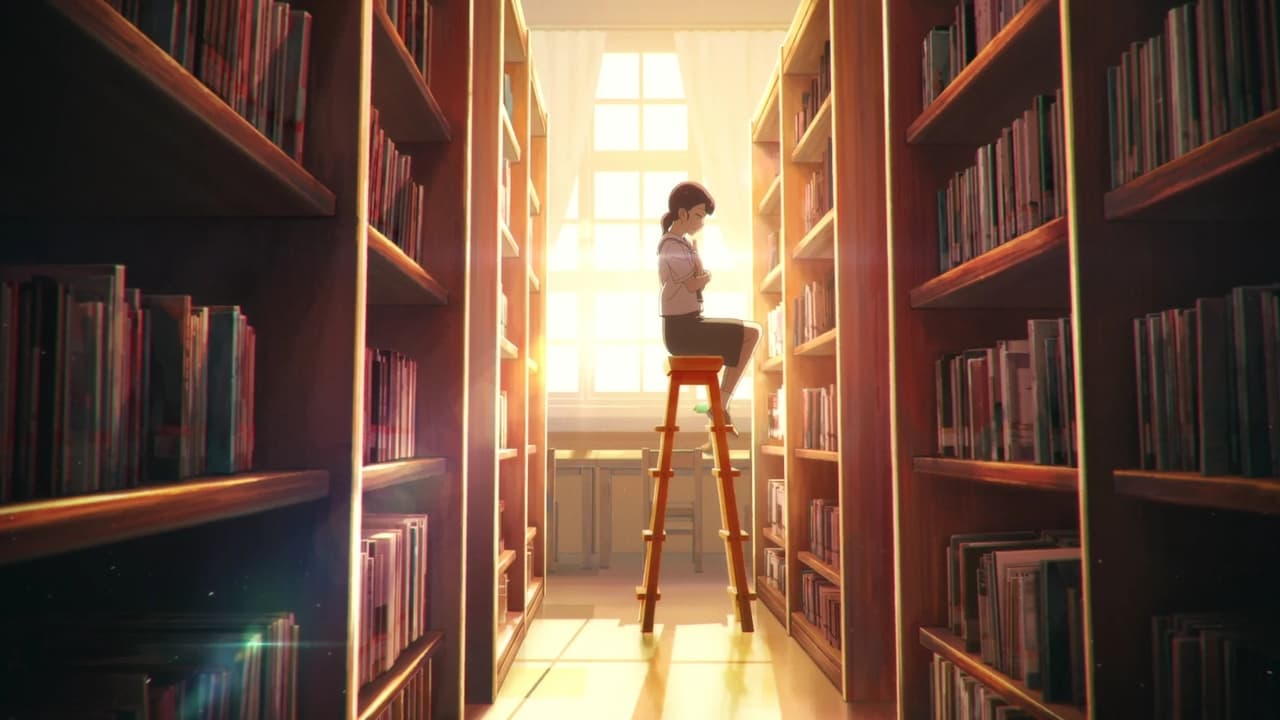
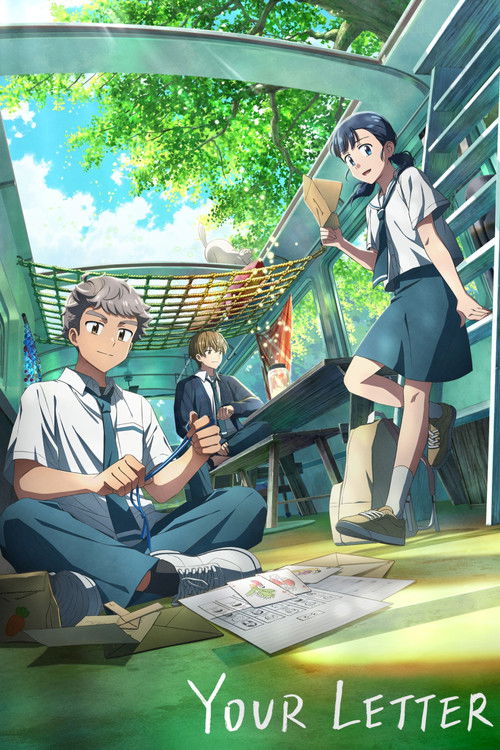
(2025)Your Letter follows So-ri, a student who discovers an anonymous letter in her desk that sends her on a clue-based search around school. As she follows the notes, she forms a friendship with Dong-soon and becomes increasingly determined to discover who wrote the letters.
This school mystery leans gentle in surface content, but its themes of anonymous messages, trust, friendship, and possible bullying give parents worthwhile conversation points. The main guidance need is less about harsh content and more about helping children think through identity, kindness, and wise responses to secrecy.
Use the content rating for surface material and the Christian guidance rating for the conversations this story may open up.
Content Indicators

Reviewed 27 August 2026
Micah covers action, fantasy, and franchise releases, with close attention to violence, spiritual themes, and moral framing.
Your Letter Christian Movie Review (2025)
Guidance: Talk Together
This school mystery leans gentle in surface content, but its themes of anonymous messages, trust, friendship, and possible bullying give parents worthwhile conversation points. The main guidance need is less about harsh content and more about helping children think through identity, kindness, and wise responses to secrecy.
Why This Guidance Level
This lands in a middle guidance range because the surface content is mild, but the story’s school conflict, anonymous communication, and identity-focused mystery create meaningful discussion points for families. Parents may especially want to talk about wise trust, kindness toward outsiders, and bringing fears or loneliness into the light.
Faith & Worldview Perspective
The film value friendship, gratitude, and the desire to be seen and understood. Those are real human longings, and they can open good conversations about truth, encouragement, and loving others well. The main tension is that secrecy and anonymous affirmation can be emotionally powerful but are not the same as the steady love, truth, and hope offered in Jesus Christ. Parents may want to discuss how children can seek help openly and wisely when school relationships feel confusing.
Truths Reflected
- Kind words and faithful friendship can deeply encourage someone who feels alone.
- Gratitude and the desire to thank others reflect humility and relational care.
Tensions to Discuss
- Anonymous secrecy can blur healthy boundaries and may need discussion about walking in truth and light.
- A child’s sense of worth should not rest mainly on hidden approval or solving a mystery, but on being known by God in Christ.
Content & Discernment Markers
Occult & Spiritual Content
- Occult or spiritual material does not stand out in this school mystery.
Sexuality & Relationships
- Sexual content does not stand out here; the relationship focus is on friendship and emotional connection.
Identity Themes
- So-ri’s search begins when she finds an anonymous note in her desk: “If you want to keep reading, find my second letter!” The mystery pulls her toward questions of trust, belonging, and being noticed. Parents may want to discuss where children should look for identity and affirmation.
- Her line, “I want to find the last letter and thank you in person,” frames the search around gratitude and personal connection, which can lead to good conversations about honest relationships rather than hidden ones.
Violence & Intensity
- The PG rating notes mild violence and bullying themes, suggesting light school conflict or brief physical tension rather than intense or graphic harm. Parents sensitive to peer cruelty may want to be prepared for moments of social pressure or hurt.
Language & Humour
- No notable profanity or crude humor stands out in this title.
Other Content Notes
- The central device is a chain of secret notes that leads So-ri around the school on a treasure-hunt-style search. That setup is intriguing, but it also gives parents a natural opening to discuss caution, honesty, and when hidden communication should be brought to a trusted adult.
- Friendship grows as So-ri and Dong-soon search together, giving the film a warm relational core that may resonate with children who feel new, lonely, or uncertain at school.
Notable Moments
- First letter discovered: So-ri finds an anonymous letter in her desk, launching the mystery and the clue-based search around school.
“If you want to keep reading, find my second letter!”
- Desire to meet sender: The mystery becomes personal as So-ri expresses a desire to find and thank the person behind the letters.
“I want to find the last letter and thank you in person.”
- Friendship through the search: So-ri and Dong-soon grow closer as they follow the clues together, making friendship a central emotional thread.
Discussion Prompts
- Truth and secrecy: When is a secret note fun, and when should a child tell a parent, teacher, or trusted adult about it?
- Biblical guidance: Scripture calls us to walk in truth and light rather than hiding what may place us in confusion or danger.
- Scripture: Ephesians 5:8-11, John 3:20-21
- Identity and belonging: Why do you think being noticed or chosen by an unknown person matters so much to So-ri? Where should we find our deepest worth?
- Biblical guidance: Children need the reminder that their identity is not built on peer approval but on being known and loved by God in Christ.
- Scripture: Psalm 139:1-4, Galatians 2:20
- Friendship and kindness: How can Dong-soon’s friendship help someone who feels alone or uncertain at school?
- Biblical guidance: Faithful friendship reflects God’s care when it is patient, honest, and willing to bear burdens.
- Scripture: Proverbs 17:17, Galatians 6:2
- Bullying and response: If someone at school is being excluded or mistreated, what is a wise and loving response?
- Biblical guidance: Christians are called to protect the vulnerable, speak truthfully, and treat others with compassion.
- Scripture: Micah 6:8, Ephesians 4:29-32
Common questions about Your Letter
- What age is Your Letter suitable for?
- Your Letter suits children of about 8 and older in most families. That follows its official classification. It is rated PG in Australia and New Zealand.
- Is Your Letter okay for a 6-year-old?
- Your Letter is generally better suited to children of about 8 and up, so a 6-year-old may find parts of it a stretch. It is rated PG in Australia and New Zealand. Families comfortable watching a little above the classification together may still be fine with it.
Age guidance is derived from this review's content findings and the film's official classifications. It is a starting point for your own judgement, not a rule.
Parent comments
Leave a comment on this review
Share a short note on Your Letter, or help other parents with discernment.
Submit will ask you to sign in first.
Weekend family picks
Get the short family movie list before the weekend
Example newsletter: 3 movies to watch this weekend with your family, plus one question to ask after the credits.
Sample: 3 movies to watch this weekend with your family
One cinema pick, one streaming pick, one conversation-starter pick.
Related Articles
A few bigger-picture reads for parents who want more context than a single review page can hold.
3 Family Movies To Watch With The Kids This Weekend
Three family movie options with quick Christian discernment notes, review links, and simple conversation prompts for parents.
Read article
3 Family Movies To Watch With The Kids This Weekend
Three family movie options with quick Christian discernment notes, review links, and simple conversation prompts for parents.
Read article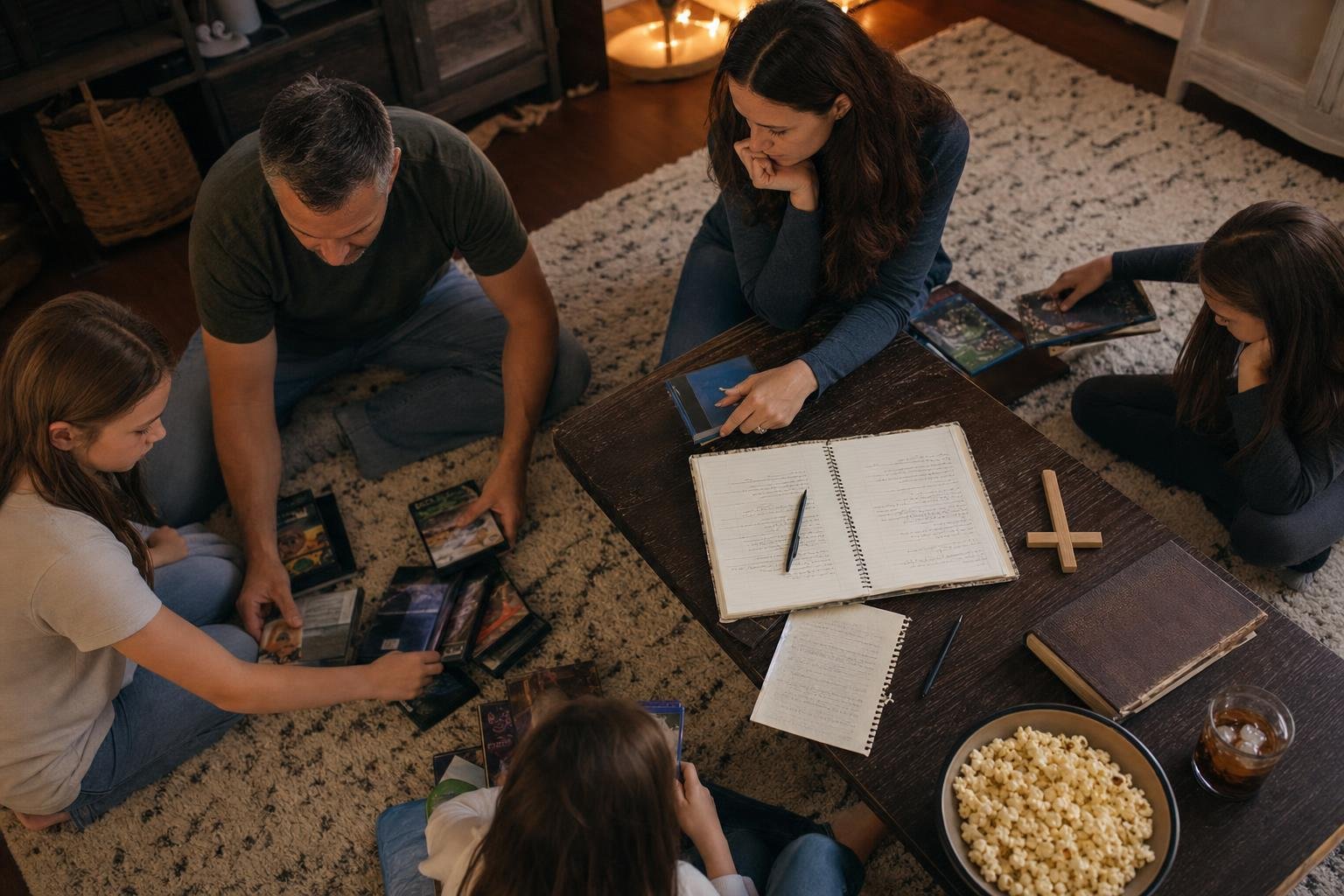
3 Family Movies To Watch With The Kids This Weekend
Three family movie options with quick Christian discernment notes, review links, and simple conversation prompts for parents.
Read articleMore Reviews



Official regional ratings
Local ratings remain available for reference, but LionLens separates those classifications from Christian family discernment.
Review Method
How this review was prepared
LionLens reviews are written with subtitle and dialogue evidence where available, official regional ratings data, source research, and final human editorial review before publication.