
Human Reviewed
Parent feedback
80 families found this review helpful
Christian Movie Review
Wreck-It Ralph Christian Movie Review
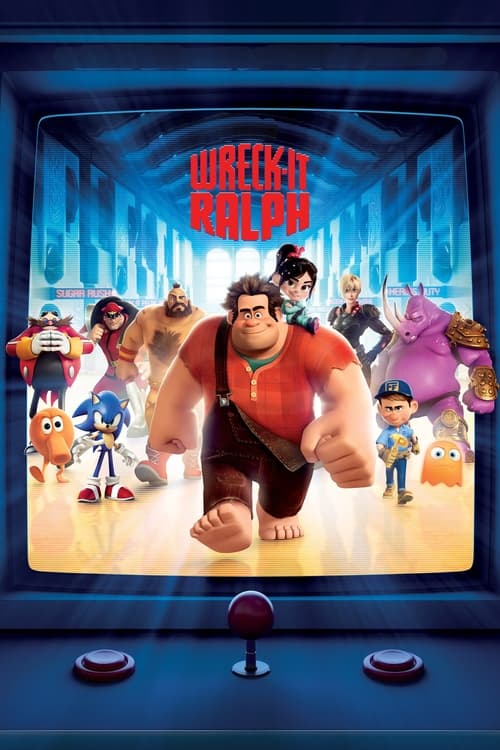
(2012)Wreck-It Ralph is a video-game adventure about an arcade villain who wants more than the role he has been given. He leaves his own game, crosses into other game worlds, and gets caught up in a larger crisis that threatens the arcade.
This is a lively family adventure with mild peril, some rude humor, and a strong emphasis on identity and belonging. Christian parents may want to talk through the film’s message about self-definition, even while appreciating its warmth and empathy.
Use the content rating for the mild peril and language, and the Christian guidance for the film’s identity message.
Content Indicators

Reviewed 19 November 2025
Rachel focuses on animated films, family viewing habits, and helping parents spot worldview themes quickly.
Wreck-It Ralph Christian Movie Review (2012)
Guidance: Talk Together
This is a lively family adventure with mild peril, some rude humor, and a strong emphasis on identity and belonging. Christian parents may want to talk through the film’s message about self-definition, even while appreciating its warmth and empathy.
Why This Guidance Level
This film sits in a middle ground for Christian families: the content is mostly mild, but there is enough peril, rude language, and emotional intensity to merit a conversation with younger children. The bigger issue is the worldview message, which strongly centers on self-definition, labels, and finding worth apart from what others say. That is not hostile to faith, but it does invite parents to help children compare the story’s message with the biblical truth that identity and value come from God, not from performance or social approval.
Faith & Worldview Perspective
The movie reflects several good truths about empathy, perseverance, and sacrificial love, and it treats outsiders with real sympathy. At the same time, it leans hard on the idea that a person must define himself by inner desire and personal affirmation, so parents may want to discuss how Christian hope in Christ gives a deeper answer to shame, purpose, and belonging.
Truths Reflected
- People need empathy before judgment.
- Self-sacrifice and loyalty matter.
Tensions to Discuss
- The film treats self-acceptance and personal choice as the main path to identity, rather than receiving identity from God.
- It suggests that labels and roles are the central problem, while Scripture goes deeper to the heart and to redemption in Christ.
Content & Discernment Markers
Occult & Spiritual Content
- Occult material does not stand out here. The film uses game-world fantasy rather than spiritual practice, and its bigger concern is worldview rather than supernatural instruction.
Sexuality & Relationships
- Romantic material stays light. There is a smooch and a more affectionate kiss between game characters, but nothing explicit, and the relationship material is brief rather than central.
Identity Themes
- Ralph’s central struggle is with being called the “bad guy” and wanting more than his assigned role. He says, “I don’t want to be the bad guy any more,” and later asks, “Is it Turbo to want a friend? Or a medal? Or a piece of pie every once in a while?” The film’s emotional core is his search for worth, and parents may want to discuss how a Christian finds identity in being made by God and loved in Christ, not in labels or applause.
Violence & Intensity
- The action is stylized but persistent, with guns, aliens, explosions, punches, and game-death stakes. A key warning says, “If you die outside your own game you don’t regenerate. Ever. Game over,” which gives the adventure a sharper edge for younger viewers even though the film keeps a comic tone.
Language & Humour
- The dialogue includes rude teasing and name-calling rather than strong profanity. Parents may notice phrases like “I hate you,” “bad guy,” “shut your chew hole,” “brat,” “doody,” and “numbskull,” along with a few crude jokes that keep the tone cheeky.
Other Content Notes
- Alcohol and drug content is very light. A martini gag and a party scene with drinks in beer mugs add a small adult-culture flavor, but they do not drive the story.
Notable Moments
- Ralph’s frustration: Ralph explains how hard it is to keep doing his job when nobody likes him for it, which sets up the film’s identity theme and emotional sympathy for the “bad guy.”
“it becomes kind of hard to love your job when no one seems to like you for doing it”
- Bad-Anon affirmation: The support-group scene turns into a comic but pointed lesson about labels, with the group insisting that being a “bad guy” does not mean being bad.
“Zangief saying labels not make you happy. Good! Bad!”
- Game-death warning: The film raises the stakes with a clear warning that death outside one’s own game is permanent, which adds tension to the adventure.
“Because if you die outside your own game you don’t regenerate. Ever. Game over.”
Discussion Prompts
- Identity and worth: What does Ralph think will make him valuable, and what does the Bible say gives a person worth?
- Biblical guidance: Scripture teaches that people are made in God’s image and that our deepest identity is found in belonging to Him, not in labels or achievements.
- Scripture: Genesis 1:27, Psalm 139:13-14, 2 Corinthians 5:17
- How we see others: Why do the characters change when they start understanding each other instead of judging by appearances?
- Biblical guidance: Jesus calls His people to love their neighbors and to look beyond outward labels, treating others with patience and humility.
- Scripture: James 2:1-4, Matthew 22:39, Philippians 2:3-4
- Hope and belonging: When Ralph wants a friend, a medal, or pie, what is he really longing for, and where does lasting belonging come from?
- Biblical guidance: The film points to a real human need for belonging, but Christian hope says our deepest acceptance is found in Christ, who welcomes sinners and gives a secure home.
- Scripture: John 1:12, Romans 8:15-17, Hebrews 13:5
Common questions about Wreck-It Ralph
- What age is Wreck-It Ralph suitable for?
- Wreck-It Ralph suits children of about 8 and older in most families. That follows its official classification. It is rated PG in the US, New Zealand and the UK, and G in Australia and Canada. The dialogue includes rude teasing and name-calling rather than strong profanity.
- Is Wreck-It Ralph okay for a 6-year-old?
- Wreck-It Ralph is generally better suited to children of about 8 and up, so a 6-year-old may find parts of it a stretch. It is rated PG in the US, New Zealand and the UK, and G in Australia and Canada. The dialogue includes rude teasing and name-calling rather than strong profanity. Families comfortable watching a little above the classification together may still be fine with it.
Age guidance is derived from this review's content findings and the film's official classifications. It is a starting point for your own judgement, not a rule.
Parent comments
Leave a comment on this review
Share a short note on Wreck-It Ralph, or help other parents with discernment.
Submit will ask you to sign in first.
Weekend family picks
Get the short family movie list before the weekend
Example newsletter: 3 movies to watch this weekend with your family, plus one question to ask after the credits.
Sample: 3 movies to watch this weekend with your family
One cinema pick, one streaming pick, one conversation-starter pick.
Related Articles
A few bigger-picture reads for parents who want more context than a single review page can hold.

Animal Farm And Talking With Kids About Power, Truth, And Sin
Animal Farm can help older children see how slogans, fear, and corrupted authority distort truth, but parents should frame the story with a biblical view of sin.
Read article
5 Things To Notice In Kids Movies Before The Message Lands
A child can absorb a movie long before they can explain it. These five checkpoints help Christian parents notice what a film is training the heart to love, fear, excuse, or trust.
Read article
How To Talk With Kids About Magic, Fate, And Spiritual Themes In Movies
Many family movies use magic, destiny, spirits, or cosmic balance to drive the story. This article helps Christian parents respond without overreacting, while still drawing clear lines back to biblical truth.
Read articleMore Reviews


Official regional ratings
Local ratings remain available for reference, but LionLens separates those classifications from Christian family discernment.
Review Method
How this review was prepared
LionLens reviews are written with subtitle and dialogue evidence where available, official regional ratings data, source research, and final human editorial review before publication.