

Human Reviewed
Parent feedback
41 families found this review helpful
Christian Movie Review
Wonder Park Christian Movie Review
(2019)A young girl named June with a big imagination makes an incredible discovery -- the amusement park of her dreams has come to life. Filled with the world's wildest rides operated by fun-loving animals, the excitement never ends. But when trouble hits, June and her misfit team of furry friends begin an unforgettable journey to save the park.
Wonder Park is a bright, imaginative family adventure with warm parent-child affection, playful humor, and a strong emphasis on creativity. The main concerns for families are moments of peril and scary tension, plus a worldview that treats imagination as a kind of reality-shaping power rather than clearly grounding hope in truth or in Jesus Christ.
Start with the content rating, then use the Christian guidance rating to decide how much conversation your family may need.
Content Indicators

Reviewed 22 November 2025
Micah covers action, fantasy, and franchise releases, with close attention to violence, spiritual themes, and moral framing.
Wonder Park Christian Movie Review (2019)
Guidance: Talk Together
Wonder Park is a bright, imaginative family adventure with warm parent-child affection, playful humor, and a strong emphasis on creativity. The main concerns for families are moments of peril and scary tension, plus a worldview that treats imagination as a kind of reality-shaping power rather than clearly grounding hope in truth or in Jesus Christ.
Why This Guidance Level
This lands in the middle range for many families because the surface content is fairly light, but the film does include scary fantasy danger and a message that leans heavily on imagination, inner resolve, and emotional self-recovery. That can open worthwhile conversations, especially with younger children who may be unsettled by threat scenes or who need help separating creative fantasy from the Christian hope we have in Christ.
Faith & Worldview Perspective
The film warmly celebrates creativity, family affection, courage, and perseverance. It also presents Wonderland in a way that blurs the line between imagination and reality, with a child’s ideas treated as a kind of world-shaping force. That is not the same as explicit occult practice, but it can still nudge children toward a view that inner imagination or self-belief is the answer to fear and brokenness. Christian families may want to affirm imagination as a gift from God while also reminding children that healing, truth, and lasting hope are not created by us; they are received from the Lord and ultimately anchored in Jesus Christ. Parents may want to discuss the difference between make-believe, creativity, and real spiritual hope.
Truths Reflected
- Creativity and wonder can be good gifts that reflect God’s design in people.
- Love, courage, and taking responsibility for mistakes are treated as meaningful virtues.
Tensions to Discuss
- The story can suggest that imagination and inner resolve are enough to overcome darkness, which may compete with Christian hope in Christ.
- Fantasy elements blur reality and wish-fulfillment in ways that may need clarification for younger viewers.
Content & Discernment Markers
Occult & Spiritual Content
- The film’s fantasy world is built around whispered wishes, imagined creations, and a park that is presented to move beyond ordinary make-believe into something real. Early on, June and her mother treat Wonderland as a place where impossible ideas can simply become true. This is more fantasy than occult practice, but it still frames imagination in near-magical terms. Christian parents may want to discuss how creativity is a gift from God, not a spiritual power of its own.
Sexuality & Relationships
- Romantic material is very light. The main relationship focus is family affection and teamwork, with only brief playful crush-style moments and mild flirtation in the broader story.
Identity Themes
- The story strongly encourages June to trust her ideas and see herself as capable: her mother tells her, “Because I know the girl who imagined it and she can do anything.” That affirmation is tender, but families may want to discuss the difference between healthy encouragement and the broader cultural message that the self is the ultimate source of power or truth.
Violence & Intensity
- There is repeated family-adventure peril tied to rides, crashes, and chaotic action. In the opening homemade coaster sequence, June launches a dangerous test run with Banky aboard, leading to panic and loss of control as he protests, “Can we talk about this?” and she shouts, “Launcher!” The film also includes threat and scary scenes elsewhere in the park. This is stylized rather than graphic, but sensitive children may find it intense. Parents may want to discuss wise risk-taking and how fear should be brought honestly to God.
Language & Humour
- Language is mild overall. The film includes light exclamations and silly substitute phrases such as “jeez,” “what the chuck,” and “son of a woodchuck,” along with playful teasing humor. Most families will likely view this as low-level, but it is still worth noting if you avoid substitute swearing.
Other Content Notes
- A major strength is the warm mother-daughter bond in the opening scenes. Their bedtime storytelling is affectionate, playful, and full of shared delight, which gives the film emotional warmth and a strong picture of loving encouragement.
- The film’s emotional core involves fear, worry, and learning how to face hard things rather than hiding from them. That can be meaningful for families, though some children may need help processing the heavier feelings underneath the colorful adventure.
Notable Moments
- Mother-daughter imagination: June and her mother build Wonderland together through bedtime storytelling, setting the film’s tone of creativity, affection, and possibility.
“Because I know the girl who imagined it and she can do anything.”
- Wish-based fantasy setup: June is invited to whisper an idea into Peanut’s ear so the carousel can become flying fish, reinforcing the film’s fantasy logic of imagined wishes becoming reality.
“Make a carousel, but instead of horses, make flying fish.”
- Dangerous homemade coaster: June’s ambitious backyard ride test becomes chaotic and unsafe, showing both her creativity and her recklessness.
“Can we talk about this?… Launcher!”
Discussion Prompts
- Imagination as gift, not god: What is good about June’s imagination, and where do we need to remember that only God creates reality and gives lasting hope?
- Biblical guidance: Scripture celebrates creativity and wisdom, but it points us to God as Creator and sustainer rather than to our own inner power.
- Scripture: Genesis 1:1, James 1:17, Colossians 1:16-17
- Facing fear honestly: When June feels afraid or overwhelmed, what would it look like to bring those feelings to God instead of hiding them?
- Biblical guidance: The Bible does not tell us to pretend fear is not real; it teaches us to cast our anxieties on the Lord and find peace in Him.
- Scripture: Psalm 56:3, 1 Peter 5:7, Philippians 4:6-7
- Risk and responsibility: Was June’s big coaster idea wise, or just exciting? How can we tell the difference between courage and recklessness?
- Biblical guidance: God calls us to act with courage, but also with wisdom, self-control, and care for others.
- Scripture: Proverbs 22:3, Ephesians 5:15, 2 Timothy 1:7
- Where true hope comes from: The movie talks a lot about believing in yourself and pushing through hard things. How is Christian hope in Jesus different from just trusting yourself?
- Biblical guidance: Self-confidence has limits, but Christian hope rests in Christ, who meets us in weakness and gives grace beyond what we can produce on our own.
- Scripture: John 16:33, 2 Corinthians 12:9-10, Hebrews 12:1-2
Common questions about Wonder Park
- What age is Wonder Park suitable for?
- Wonder Park suits children of about 8 and older in most families. That follows its official classification. It is rated PG in Australia, the US, New Zealand and the UK, and G in Canada. There is repeated family-adventure peril tied to rides, crashes, and chaotic action. Younger viewers may still enjoy it alongside a parent, and it raises worldview questions worth talking through afterwards.
- Is Wonder Park okay for a 6-year-old?
- Wonder Park is generally better suited to children of about 8 and up, so a 6-year-old may find parts of it a stretch. It is rated PG in Australia, the US, New Zealand and the UK, and G in Canada. There is repeated family-adventure peril tied to rides, crashes, and chaotic action. Families comfortable watching a little above the classification together may still be fine with it.
Age guidance is derived from this review's content findings and the film's official classifications. It is a starting point for your own judgement, not a rule.
Parent comments
Leave a comment on this review
Share a short note on Wonder Park, or help other parents with discernment.
Submit will ask you to sign in first.
Weekend family picks
Get the short family movie list before the weekend
Example newsletter: 3 movies to watch this weekend with your family, plus one question to ask after the credits.
Sample: 3 movies to watch this weekend with your family
One cinema pick, one streaming pick, one conversation-starter pick.
Related Articles
A few bigger-picture reads for parents who want more context than a single review page can hold.

How To Talk With Kids About Magic, Fate, And Spiritual Themes In Movies
Many family movies use magic, destiny, spirits, or cosmic balance to drive the story. This article helps Christian parents respond without overreacting, while still drawing clear lines back to biblical truth.
Read article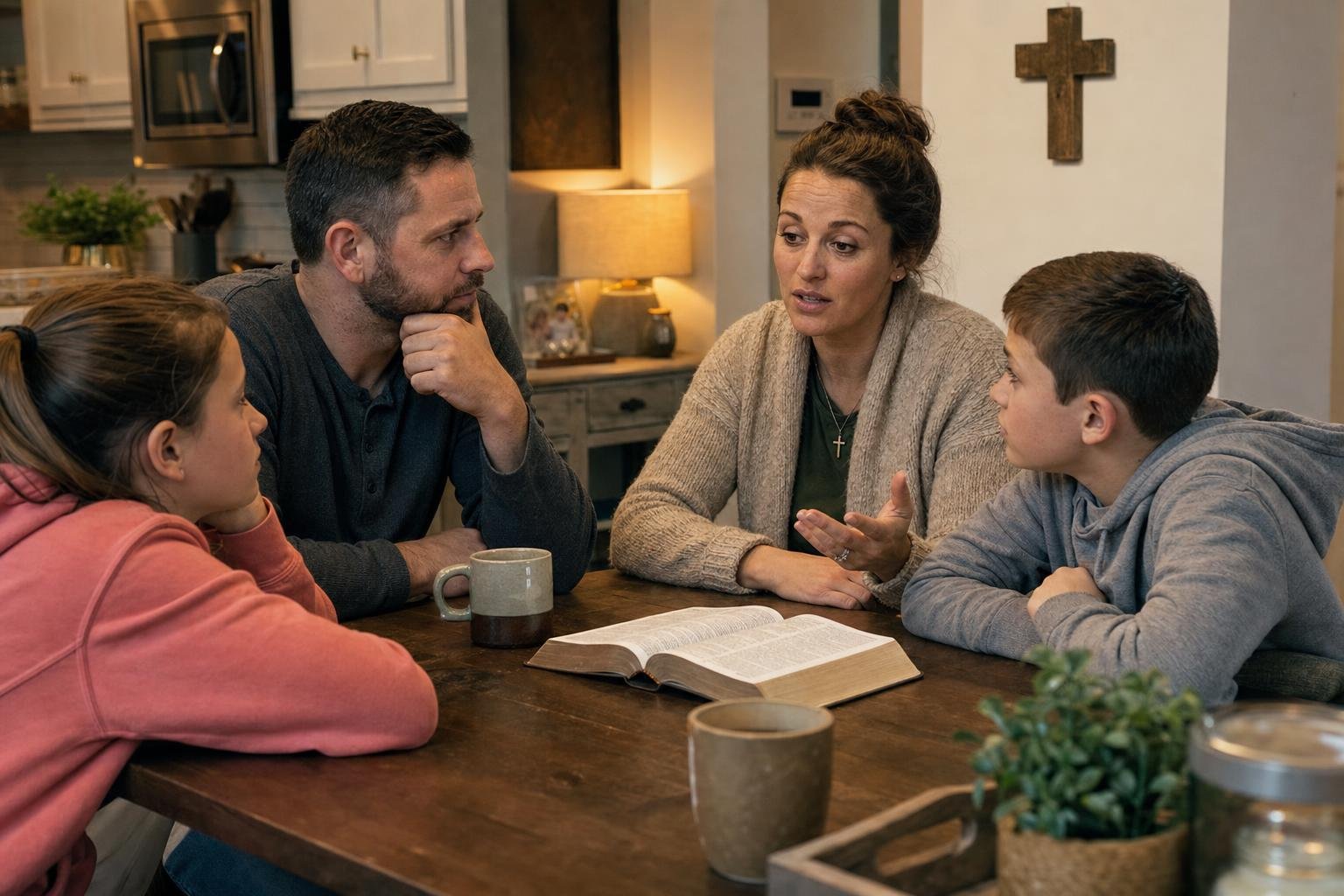
How To Talk With Kids About Dragon magic In Family Movies
A parent-friendly guide to discussing dragon magic in family movies through a Christian lens.
Read article
How To Talk With Kids About Mild fantasy peril In Family Movies
A parent-friendly guide to discussing mild fantasy peril in family movies through a Christian lens.
Read articleMore Reviews


Official regional ratings
Local ratings remain available for reference, but LionLens separates those classifications from Christian family discernment.
Review Method
How this review was prepared
LionLens reviews are written with subtitle and dialogue evidence where available, official regional ratings data, source research, and final human editorial review before publication.