Human Reviewed
Parent feedback
48 families found this review helpful
Christian Movie Review
Wolfwalkers Christian Movie Review
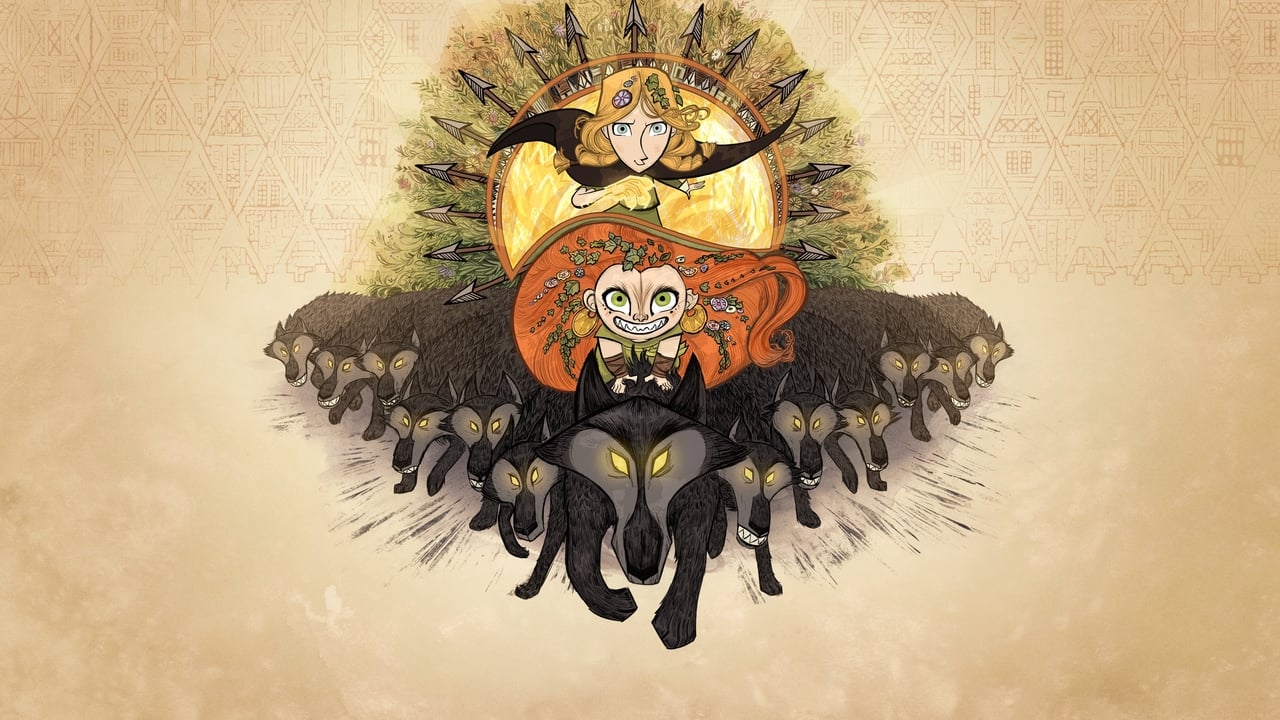
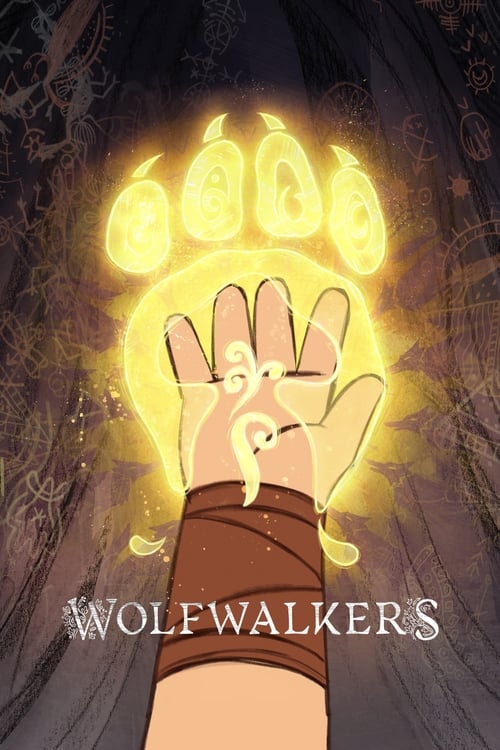
(2020)In a time of superstition and magic, when wolves are seen as demonic and nature an evil to be tamed, a young apprentice hunter comes to Ireland with her father to wipe out the last pack. But when she saves a wild native girl, their friendship leads her to discover the world of the Wolfwalkers and transform her into the very thing her father is tasked to destroy.
This beautifully made animated folktale carries strong themes of courage, friendship, and compassion for the misunderstood, but it also includes recurring peril, frightening wolf attacks, and fantasy transformation tied to spiritual ideas outside a Christian framework. For many families, the main discernment question is less surface content and more the film’s supernatural worldview and its suspicion of authority and “civilizing” power.
Start with the content rating, then use the Christian guidance rating to decide how much conversation your family may need.
Content Indicators

Reviewed 26 December 2025
Esther handles review quality, clarity, and the practical guidance families need after the credits roll.
Wolfwalkers Christian Movie Review (2020)
Guidance: Talk Together
This beautifully made animated folktale carries strong themes of courage, friendship, and compassion for the misunderstood, but it also includes recurring peril, frightening wolf attacks, and fantasy transformation tied to spiritual ideas outside a Christian framework. For many families, the main discernment question is less surface content and more the film’s supernatural worldview and its suspicion of authority and “civilizing” power.
Why This Guidance Level
Wolfwalkers stays within the range of a serious family fantasy, but it brings repeated threat, hunting violence, and several tense scenes that may unsettle younger children. The larger concern for Christian families is the film’s sympathetic treatment of mystical transformation and nature-centered spiritual ideas, along with a message that can frame established authority as oppressive while locating freedom and truth in the wild. That makes this a thoughtful conversation film more than a carefree one.
Faith & Worldview Perspective
The film strongly values mercy, courage, loyalty, and defending those who are feared or mistreated. It also pushes back against cruelty, prejudice, and harsh rule, which can open good conversations about justice and compassion. At the same time, its central fantasy world treats supernatural transformation and mystical connection with nature as beautiful and liberating rather than spiritually dangerous. Christian families may want to discuss how wonder in creation differs from spiritual power apart from God, and how true hope and freedom are found in Jesus Christ rather than in mystical union with nature.
Truths Reflected
- Fear and prejudice can lead people to mistreat those they do not understand.
- Courage and sacrificial loyalty are used to protect the vulnerable.
Tensions to Discuss
- The story presents supernatural transformation and mystical power as positive and identity-shaping, which may conflict with a Christian view of spiritual reality.
- Authority is often portrayed mainly as controlling or oppressive, so parents may want to discuss the difference between abusive rule and God-honoring authority.
Content & Discernment Markers
Occult & Spiritual Content
- The film’s central fantasy premise involves Wolfwalkers, with human-to-wolf transformation and a mystical bond tied to sleep, the forest, and supernatural ability. Characters speak of witches, spells, mermaids, and selkies in a story world where magical ideas are treated as real and meaningful. Parents may want to discuss the difference between fairy-tale imagination and spiritual truth centered on Christ.
Sexuality & Relationships
- Sexual content does not stand out here. Relationships are centered on family bonds, friendship, and parental protection.
Identity Themes
- The story includes tension between English settlers and local Irish townspeople, with children repeating hostility they have learned from adults. A line like “You English think you’re so great, but you’re not. You should all just go home” shows how identity and grievance shape conflict. Parents may want to discuss how Scripture calls us to truth, justice, and love of neighbor without passing hatred down to children.
Violence & Intensity
- Animated danger is frequent: wolves snarl and chase people, townspeople panic, and men shout “Wolf!” and “Get back!” Hunting is a major part of the story, with soldiers, crossbows, and pursuit scenes. The threat is serious for a family film, though not graphic.
- Crowds and children chant lines like “Kill the wolf” and “Shoot the wolf,” which gives the violence a mob feeling rather than just adventure peril. This matters because the film links violence to fear, scapegoating, and revenge.
Language & Humour
- Language is generally mild. There are religious exclamations such as “Lord, save us,” “Sweet Mother Divine, save us,” and “Oh, my God,” along with insults like “witch” and “idiot” in the broader film. Christian families sensitive to casual sacred language may want to note it.
Other Content Notes
- A father-daughter conflict runs through the story as Robyn resists repeated warnings like “No children beyond the walls” and “Stay indoors.” The film gives emotional weight to her frustration, while also showing her father’s desire to protect her. Parents may want to discuss obedience, trust, and when authority is protective rather than merely restrictive.
- Political unrest and occupation themes appear in the background, including soldiers, arrests, and public resistance such as “Down with the Lord Protector!” This adds a layer of social conflict that older children may notice more than younger ones.
Notable Moments
- Opening wolf panic: The film opens with frightened townspeople reacting to a wolf threat, setting a tense tone early.
“Wolf!… Lord, save us.”
- Father’s warning: Robyn’s father makes clear that the forest is dangerous and off-limits, establishing the authority conflict that drives much of the story.
“No children beyond the walls, you know that.”
- Mob chant: Children and crowds repeat anti-wolf chants that show how fear turns into cruelty.
“Kill the wolf, wolf, wolf! Shoot the wolf, wolf, wolf!”
- Wolfwalker reveal: A key line introduces the film’s supernatural premise directly.
“You’re a Wolfwalker?”
Discussion Prompts
- Fear and scapegoating: Why do the people want to destroy the wolves so quickly? How can fear make people treat others unfairly?
- Biblical guidance: Scripture warns against judging by appearances and calls us to act justly and love mercy.
- Scripture: John 7:24, Micah 6:8, James 2:1-4
- Authority and obedience: Was Robyn’s father only controlling, or was he also trying to protect her? How do we tell the difference between wise authority and harsh authority?
- Biblical guidance: God calls children to honor parents, while parents are called to lead with care and not provoke their children.
- Scripture: Ephesians 6:1-4, Colossians 3:20-21, Romans 13:1
- Magic, wonder, and spiritual truth: What makes the Wolfwalker power feel beautiful in the story? How is that different from the Christian hope and identity we receive in Jesus Christ?
- Biblical guidance: Creation is wonderful because God made it, but spiritual power and hope are not found in mystical forces of nature; they are found in the Lord.
- Scripture: Genesis 1:31, Deuteronomy 18:10-12, Colossians 1:16-17, John 14:6
- Care for creation: What does the film get right about caring for animals and the natural world? How can Christians love creation without treating nature as sacred in itself?
- Biblical guidance: People are called to steward God’s creation faithfully while worshiping the Creator, not the creation.
- Scripture: Genesis 2:15, Psalm 24:1, Romans 1:25
Common questions about Wolfwalkers
- What age is Wolfwalkers suitable for?
- Wolfwalkers suits children of about 8 and older in most families. That follows its official classification. It is rated PG in Australia, the US, New Zealand, the UK and Canada. Animated danger is frequent: wolves snarl and chase people, townspeople panic, and men shout “Wolf!” Younger viewers may still enjoy it alongside a parent, and it raises worldview questions worth talking through afterwards.
- Is Wolfwalkers okay for a 6-year-old?
- Wolfwalkers is generally better suited to children of about 8 and up, so a 6-year-old may find parts of it a stretch. It is rated PG in Australia, the US, New Zealand, the UK and Canada. Animated danger is frequent: wolves snarl and chase people, townspeople panic, and men shout “Wolf!” Families comfortable watching a little above the classification together may still be fine with it.
Age guidance is derived from this review's content findings and the film's official classifications. It is a starting point for your own judgement, not a rule.
Parent comments
Leave a comment on this review
Share a short note on Wolfwalkers, or help other parents with discernment.
Submit will ask you to sign in first.
Weekend family picks
Get the short family movie list before the weekend
Example newsletter: 3 movies to watch this weekend with your family, plus one question to ask after the credits.
Sample: 3 movies to watch this weekend with your family
One cinema pick, one streaming pick, one conversation-starter pick.
Related Articles
A few bigger-picture reads for parents who want more context than a single review page can hold.
Animal Farm And Talking With Kids About Power, Truth, And Sin
Animal Farm can help older children see how slogans, fear, and corrupted authority distort truth, but parents should frame the story with a biblical view of sin.
Read article
Disney And Pixar Films For Christian Families: Why They Still Need Discernment
Disney and Pixar films often feel safer than they really are. This guide helps Christian parents notice the spiritual assumptions, emotional messages, and identity themes that can slip past a quick first impression.
Read article
5 Things To Notice In Kids Movies Before The Message Lands
A child can absorb a movie long before they can explain it. These five checkpoints help Christian parents notice what a film is training the heart to love, fear, excuse, or trust.
Read articleMore Reviews


Official regional ratings
Local ratings remain available for reference, but LionLens separates those classifications from Christian family discernment.
Review Method
How this review was prepared
LionLens reviews are written with subtitle and dialogue evidence where available, official regional ratings data, source research, and final human editorial review before publication.