
Human Reviewed
Parent feedback
35 families found this review helpful
Christian Movie Review
Wish Dragon Christian Movie Review
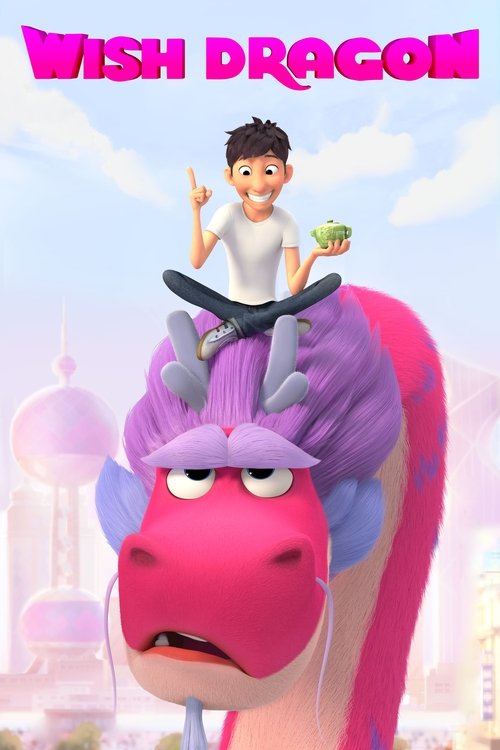
(2021)This animated comedy follows Din, a hardworking young man in modern-day China who discovers a magical wish dragon tied to an old teapot. As he tries to reconnect with his childhood friend Li Na, the story mixes family pressure, friendship, and wish-fulfillment fantasy.
Wish Dragon is light overall, but it includes some chase-and-threat scenes, mild rude language, and a strong magical premise that families may want to talk through. Its bigger weight is not the surface content so much as the way it frames happiness, success, and power.
Use the content rating for the mild scares and language, and the Christian guidance rating for the film’s message about wishes, success, and what truly satisfies.
Content Indicators

Reviewed 15 June 2026
Micah covers action, fantasy, and franchise releases, with close attention to violence, spiritual themes, and moral framing.
Wish Dragon Christian Movie Review (2021)
Guidance: Talk Together
Wish Dragon is light overall, but it includes some chase-and-threat scenes, mild rude language, and a strong magical premise that families may want to talk through. Its bigger weight is not the surface content so much as the way it frames happiness, success, and power.
Why This Guidance Level
Wish Dragon is a light PG animated film, but it is not content-free. The main concerns are mild rude language, some chase-and-threat scenes, and a fantasy framework built around a wish-granting dragon. The deeper issue for Christian families is the story’s easy comfort with magical power and wish fulfillment, alongside a message that happiness comes from getting the right outcome, which is worth discussing even though the film also affirms friendship, humility, and the limits of wealth.
Faith & Worldview Perspective
The film values friendship, loyalty, hard work, and the idea that money and status do not make a life whole. Its biggest worldview tension is the magical wish system, which treats supernatural power as a path to fulfillment rather than pointing to the deeper hope and satisfaction found in Jesus Christ.
Truths Reflected
- Friendship and keeping promises matter.
- Wealth and status do not satisfy the heart.
Tensions to Discuss
- The wish-granting magic normalizes supernatural power outside a biblical framework.
- The story can imply that getting what you want is the route to peace, rather than contentment in Christ.
Content & Discernment Markers
Occult & Spiritual Content
- A magical Wish Dragon emerges from an old teapot and announces, “I am a magical Wish Dragon, who will grant three wishes to the owner of this teapot.” The scene is playful rather than dark, but it centers the story on supernatural wish fulfillment. Parents may want to discuss how this differs from prayer and trust in God.
Sexuality & Relationships
- The romance stays very mild. Din is nervous around Li Na, talks about her birthday, and even jokes about kissing her hand, but the film keeps the relationship in innocent territory with hand-holding and shy affection.
Identity Themes
- Din feels pressure to become the son his mother expects and says, “I’m trying my best, trying to make everyone proud.” The film also leans on childhood promises and belonging, especially when Din says, “I just wish I could keep our promise.” Parents may want to discuss identity, calling, and where lasting worth comes from.
Violence & Intensity
- The action is mostly comic but includes chases, rooftop scrambling, falls, and arrest scenes, with lines like “Stop! Stop! Stop right there” and “You’re under arrest.” The tension is not brutal, but it does create enough peril to unsettle younger children.
Language & Humour
- The dialogue includes rude and teasing words such as “stupid,” “creep,” “shut up,” “dumb,” “twerp,” and “crap,” along with some sarcastic banter. It is not heavy profanity, but families sensitive to casual disrespect may want to note the tone.
Other Content Notes
- The film strongly emphasizes family pressure, school success, and the temptation to measure life by achievement. Din’s mother repeatedly pushes study and future security, which gives the story emotional weight and makes it useful for conversations about honoring parents without making success an idol.
Notable Moments
- Teapot discovery: Din meets the magical dragon tied to the teapot, and the story’s supernatural premise is set in motion with playful wish language.
“I am a magical Wish Dragon, who will grant three wishes to the owner of this teapot.”
- Promise with Li Na: A childhood promise becomes a major emotional thread, showing how much Din longs for friendship and belonging.
“Let’s make a promise to be best friends forever.”
- Family pressure: Din’s mother frames success almost entirely around study and future security, creating a strong parent-child tension.
“You have one job, and one job only. That is to study.”
- Rooftop pursuit: The film shifts into comic danger with police commands, running, and arrest language that raise the tension without becoming intense action.
“Stop! Stop! Stop right there.”
Discussion Prompts
- Contentment versus wishing: What does the movie suggest people think will make them happy, and what actually does?
- Biblical guidance: Scripture teaches contentment and warns against chasing the world’s promises. Jesus Christ offers a deeper hope than getting every wish granted.
- Scripture: Philippians 4:11-13, Matthew 6:19-21
- Friendship and promises: Why does Din care so much about keeping his promise to Li Na, and what makes promises important?
- Biblical guidance: God values faithfulness, and our words should be trustworthy. Friendship is good, but it should be shaped by truth and integrity.
- Scripture: Proverbs 17:17, Matthew 5:37
- Success and family pressure: How does Din’s family define success, and where do you think a person’s real worth comes from?
- Biblical guidance: Parents and children both need wisdom here: honoring family matters, but identity is not built on grades, money, or status. Our worth is found in being made by God and redeemed in Christ.
- Scripture: Colossians 3:23-24, Psalm 139:13-14
- Magic and hope: How is the dragon’s magic different from praying to God or trusting Him for help?
- Biblical guidance: The Bible points us away from magical control and toward prayer, dependence, and trust in God’s wise care.
- Scripture: James 1:5, 1 John 5:14
Common questions about Wish Dragon
- What age is Wish Dragon suitable for?
- Wish Dragon suits children of about 8 and older in most families. That follows its official classification. It is rated PG in Australia, the US, New Zealand, the UK and Canada. The dialogue includes rude and teasing words such as "stupid," "creep," "shut up," "dumb," "twerp," and "crap," along with some sarcastic banter. Younger viewers may still enjoy it alongside a parent, and it raises worldview questions worth talking through afterwards.
- Is Wish Dragon okay for a 6-year-old?
- Wish Dragon is generally better suited to children of about 8 and up, so a 6-year-old may find parts of it a stretch. It is rated PG in Australia, the US, New Zealand, the UK and Canada. The dialogue includes rude and teasing words such as "stupid," "creep," "shut up," "dumb," "twerp," and "crap," along with some sarcastic banter. Families comfortable watching a little above the classification together may still be fine with it.
Age guidance is derived from this review's content findings and the film's official classifications. It is a starting point for your own judgement, not a rule.
Parent comments
Leave a comment on this review
Share a short note on Wish Dragon, or help other parents with discernment.
Submit will ask you to sign in first.
Weekend family picks
Get the short family movie list before the weekend
Example newsletter: 3 movies to watch this weekend with your family, plus one question to ask after the credits.
Sample: 3 movies to watch this weekend with your family
One cinema pick, one streaming pick, one conversation-starter pick.
Related Articles
A few bigger-picture reads for parents who want more context than a single review page can hold.

How To Talk With Kids About Magic, Fate, And Spiritual Themes In Movies
Many family movies use magic, destiny, spirits, or cosmic balance to drive the story. This article helps Christian parents respond without overreacting, while still drawing clear lines back to biblical truth.
Read article
How To Talk With Kids About Dragon magic In Family Movies
A parent-friendly guide to discussing dragon magic in family movies through a Christian lens.
Read article
How To Talk With Kids About Mild fantasy peril In Family Movies
A parent-friendly guide to discussing mild fantasy peril in family movies through a Christian lens.
Read articleMore Reviews




Official regional ratings
Local ratings remain available for reference, but LionLens separates those classifications from Christian family discernment.
Review Method
How this review was prepared
LionLens reviews are written with subtitle and dialogue evidence where available, official regional ratings data, source research, and final human editorial review before publication.