
Human Reviewed
Parent feedback
55 families found this review helpful
Christian Movie Review
Wish Christian Movie Review
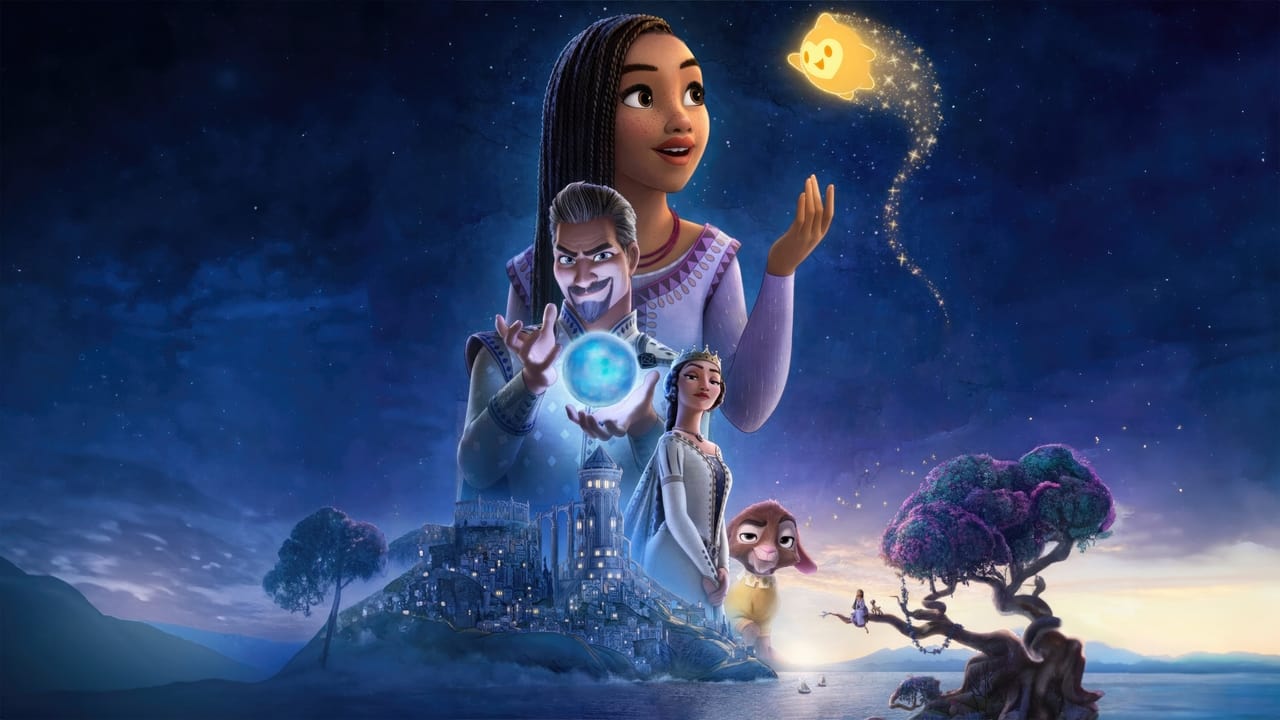
(2023)Wish is a Disney animated musical set in the kingdom of Rosas, where a young woman named Asha challenges King Magnifico after learning how he controls the wishes of others. The story mixes fantasy adventure, songs, and a community-centered message about courage, friendship, and using power wisely.
This is a fairly light family fantasy on the surface, but it includes some tense villain scenes, grief, and a worldview that centers human dreams and self-determination. Christian parents may want to talk through how the film treats wishes, authority, and hope.
Use the content rating for the mild peril and the Christian guidance rating for the film’s message about wishes, power, and hope.
Content Indicators

Reviewed 22 June 2026
Esther handles review quality, clarity, and the practical guidance families need after the credits roll.
Wish Christian Movie Review (2023)
Guidance: Talk Together
This is a fairly light family fantasy on the surface, but it includes some tense villain scenes, grief, and a worldview that centers human dreams and self-determination. Christian parents may want to talk through how the film treats wishes, authority, and hope.
Why This Guidance Level
Wish is gentle enough for many families on the content side, but it still has a real villain, some frightening magical threat, and a sad thread about loss. The bigger reason for discernment is the film’s message: it treats wishes, personal dreams, and self-creation as central goods, while the story’s moral center leans more toward human aspiration than toward trust in God’s care, truth, and hope in Christ. That makes it a good candidate for family conversation rather than a simple yes-or-no reaction.
Faith & Worldview Perspective
Wish celebrates courage, community, and resisting abuse of power, which are strong moral notes. At the same time, it places unusual weight on wishes as a defining force in life, and it frames fulfillment in a way that can sit uneasily beside a Christian view of contentment, providence, and identity rooted in God rather than in personal desire.
Truths Reflected
- Courage matters when confronting unjust authority.
- Friends should help one another and forgive mistakes.
Tensions to Discuss
- The film treats wishes and personal dreams as a primary source of identity and hope, which can compete with trust in God’s will and provision.
- Its moral vision leans toward self-fulfillment and community ideals without clearly pointing to repentance, grace, or hope in Jesus Christ.
Content & Discernment Markers
Occult & Spiritual Content
- The story uses magical wish power as a major force in the kingdom, with wishes stored, controlled, and released through fantasy elements. This is not occult practice in a dark sense, but it does build a spiritual-style system around desire and power rather than around God; parents may want to discuss the difference between fantasy magic and real faith.
Sexuality & Relationships
- Romance stays very light. The film includes only a brief kiss reference in a song lyric, with no sexual material or suggestive relationship content standing out.
Identity Themes
- Asha’s journey centers on finding her voice, protecting her community, and believing that her dreams matter. The line “Our dreams represent who we are” captures the film’s emphasis, and parents may want to discuss whether identity is best built on wishes or on belonging to God.
Violence & Intensity
- King Magnifico is portrayed as an intimidating ruler who uses crackling magical power to hurt others, and a few scenes feel especially harsh for a family fantasy. There are chases, characters in peril, an object pushed onto someone, and a moment where animals threaten a character; parents may want to talk about fear, power, and courage.
Language & Humour
- Language is light overall, with a few mild rude words such as “butt” and some heated arguing. The tone stays far from coarse, but parents may still notice the occasional sharp exchange.
Other Content Notes
- The death of Asha’s father is discussed, and the film returns to grief when characters lose their wishes. That emotional thread gives the story weight and may prompt a good conversation about sorrow, hope, and comfort.
Notable Moments
- Villain threat: The ruler’s anger and magical force create a tense stretch where he hurts others and the mood turns frightening for a family audience.
“he uses crackling magical power to hurt others”
- Dreams define identity: The film states its central idea plainly, tying personal dreams to who a person is and making that a major theme for the whole story.
“Our dreams represent who we are”
- Doing right is hard: The movie explicitly frames moral courage as something costly and worth choosing anyway.
“It’s important to do the right thing, even when it’s difficult.”
- Grief over loss: Asha’s father’s death is part of the emotional background, and the story lingers on sadness when wishes are lost.
“The death of Asha’s father is discussed”
Discussion Prompts
- Wishes and identity: What does the movie say makes a person important: their wishes, their choices, or something deeper?
- Biblical guidance: Scripture points us to find our identity in God’s love and calling, not in our desires alone.
- Scripture: Psalm 139:13-14, Matthew 6:33, Colossians 3:1-3
- Authority and courage: When Asha stands up to King Magnifico, what makes her courage good, and where do you see the difference between brave resistance and selfish rebellion?
- Biblical guidance: The Bible honors courage against evil while also calling us to truth, humility, and wise obedience to God.
- Scripture: Micah 6:8, Acts 5:29, Ephesians 6:10-18
- Hope and grief: How does the movie handle sadness and lost hopes, and how is Christian hope in Christ different from simply getting what we want?
- Biblical guidance: Jesus gives a deeper hope than fulfilled wishes, and God comforts those who mourn.
- Scripture: John 14:1-3, Romans 15:13, Revelation 21:4
- Friendship and forgiveness: What do the friendships in the story show about helping one another and forgiving mistakes?
- Biblical guidance: Christian friendship includes patience, forgiveness, and bearing one another’s burdens.
- Scripture: Ephesians 4:32, Galatians 6:2, Proverbs 17:17
Common questions about Wish
- What age is Wish suitable for?
- Wish suits children of about 8 and older in most families. That follows its official classification. It is rated PG in the US, New Zealand and Canada, and G in Australia. King Magnifico is portrayed as an intimidating ruler who uses crackling magical power to hurt others, and a few scenes feel especially harsh for a family fantasy.
- Is Wish okay for a 6-year-old?
- Wish is generally better suited to children of about 8 and up, so a 6-year-old may find parts of it a stretch. It is rated PG in the US, New Zealand and Canada, and G in Australia. King Magnifico is portrayed as an intimidating ruler who uses crackling magical power to hurt others, and a few scenes feel especially harsh for a family fantasy. Families comfortable watching a little above the classification together may still be fine with it.
Age guidance is derived from this review's content findings and the film's official classifications. It is a starting point for your own judgement, not a rule.
Parent comments
Leave a comment on this review
Share a short note on Wish, or help other parents with discernment.
Submit will ask you to sign in first.
Weekend family picks
Get the short family movie list before the weekend
Example newsletter: 3 movies to watch this weekend with your family, plus one question to ask after the credits.
Sample: 3 movies to watch this weekend with your family
One cinema pick, one streaming pick, one conversation-starter pick.
Related Articles
A few bigger-picture reads for parents who want more context than a single review page can hold.

How To Talk With Kids About Magic, Fate, And Spiritual Themes In Movies
Many family movies use magic, destiny, spirits, or cosmic balance to drive the story. This article helps Christian parents respond without overreacting, while still drawing clear lines back to biblical truth.
Read article
What Christian Parents Can Discuss After Ruby Gillman, Teenage Kraken
A practical post-movie conversation guide for Christian parents after watching Ruby Gillman, Teenage Kraken.
Read article
Animal Farm And Talking With Kids About Power, Truth, And Sin
Animal Farm can help older children see how slogans, fear, and corrupted authority distort truth, but parents should frame the story with a biblical view of sin.
Read articleMore Reviews



Official regional ratings
Local ratings remain available for reference, but LionLens separates those classifications from Christian family discernment.
Review Method
How this review was prepared
LionLens reviews are written with subtitle and dialogue evidence where available, official regional ratings data, source research, and final human editorial review before publication.