
Human Reviewed
Parent feedback
43 families found this review helpful
Christian Movie Review
Willy Wonka & the Chocolate Factory Christian Movie Review
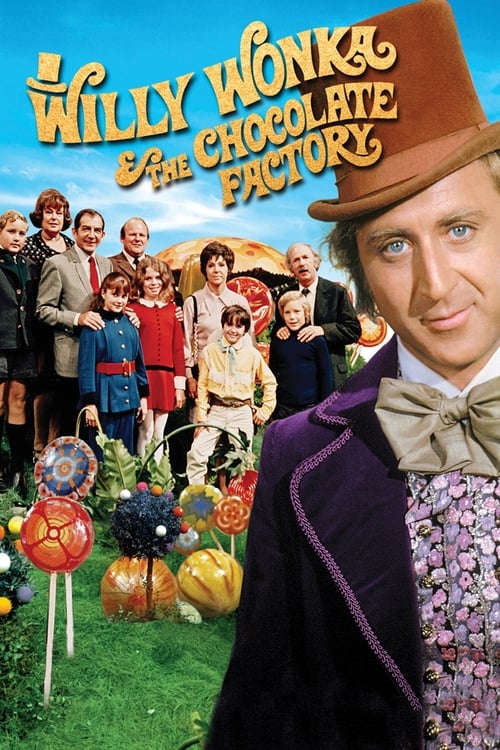
(1971)A poor boy named Charlie wins a Golden Ticket and tours Willy Wonka’s fantastical chocolate factory with four other children. The film mixes whimsy, dark humor, and moral lessons about greed, gratitude, and self-control.
This is a bright, imaginative family classic with mild language, some scary factory peril, and a few unsettling scenes. Its biggest value for Christian families is the moral contrast between selfishness and humility, though the film’s treatment of punishment and wonder gives parents room for discussion.
Use the content rating for the scary factory scenes and mild language, and the Christian guidance rating for the film’s moral and worldview themes.
Content Indicators

Reviewed 7 May 2026
Micah covers action, fantasy, and franchise releases, with close attention to violence, spiritual themes, and moral framing.
Willy Wonka & the Chocolate Factory Christian Movie Review (1971)
Guidance: Talk Together
This is a bright, imaginative family classic with mild language, some scary factory peril, and a few unsettling scenes. Its biggest value for Christian families is the moral contrast between selfishness and humility, though the film’s treatment of punishment and wonder gives parents room for discussion.
Why This Guidance Level
This is a family classic with mild surface concerns, but it is not just a simple candy adventure. The factory scenes include some unsettling peril and dark humor, and the story’s moral framing invites discussion about greed, punishment, gratitude, and what true hope looks like. For Christian families, the film is most useful as a conversation starter rather than a problem title.
Faith & Worldview Perspective
The film celebrates imagination, wonder, and the exposure of selfishness, while also treating moral failure with a harsh comic edge. It values humility and gratitude, but it leans on fantasy reward and spectacle more than on any lasting moral foundation, so parents may want to connect its lessons to the steadier hope found in Christ.
Truths Reflected
- Greed damages relationships and gratitude is better than entitlement.
- Humility and self-control are wiser than selfish desire.
Tensions to Discuss
- The film’s punishment-driven humor can feel cruel rather than restorative, which sits uneasily beside the mercy and justice Christians see together in Scripture.
- Its wonder is rooted in fantasy and human genius, so parents may want to discuss how Christian hope is deeper and more secure than wish fulfillment.
Content & Discernment Markers
Occult & Spiritual Content
- Occult material does not stand out here. The film’s wonder comes from fantasy, invention, and theatrical spectacle rather than from explicit magic or spiritual practice. Parents may still want to discuss the difference between harmless imagination and spiritual claims that belong to Christ alone.
Sexuality & Relationships
- Sexual content is not a notable feature of the film. Relationships stay family-centered and child-focused throughout.
Identity Themes
- Charlie is framed as a humble, grateful child whose poverty shapes the story’s emotional core. The film contrasts his restraint with the entitlement of the other children, and parents may want to discuss how a person’s worth is not measured by wealth, appetite, or winning.
Violence & Intensity
- The factory tour turns into repeated comic peril: children are nearly sliced by fan blades, blasted by small explosions, swallowed by pipes, dropped through hatches, and carried through a dark tunnel with disturbing images. No one is seriously harmed, but the sequence is tense and unsettling enough that younger children may need explanation.
Language & Humour
- Language stays mild, with words and phrases like “hell,” “heck,” “darn,” “loser,” “brat,” “twerp,” “nitwit,” “crook,” and a brief “shut up.” There is also a cigar, plus references to tobacco and liquor, but the speech is more teasing and comic than coarse.
Other Content Notes
- The film strongly contrasts greed and gratitude. Charlie’s family sacrifices for one another, while the Golden Ticket frenzy turns the world into a spectacle of appetite and consumer excitement. Parents may want to discuss why wanting more is not the same as needing more.
Notable Moments
- Candy Man opening: The film opens with a joyful celebration of candy and imagination, setting a playful tone that defines the movie’s charm.
“Who can take the sunrise / Sprinkle it with dew / Cover it in chocolate and a miracle or two”
- Golden Ticket frenzy: The world erupts into a buying frenzy as Wonka Bars vanish and everyone chases the prize, turning desire into spectacle.
“Wonkamania has descended upon the globe.”
- Tunnel sequence: The boat ride through the dark tunnel is the film’s most unsettling stretch, with eerie imagery and a sharp change in tone.
“A creepy, pseudo-psychedelic boat ride through a dark tunnel is filled with disturbing images”
- Charlie’s sacrifice: Charlie’s family gives up small comforts to make ends meet, and his grandfather gives up tobacco in a quiet act of sacrifice.
“When bread looks like a banquet, I’ve no right to tobacco.”
Discussion Prompts
- Greed and contentment: Why do you think the film treats greed as a problem, and what does contentment look like in everyday life?
- Biblical guidance: Scripture teaches that godliness with contentment is great gain, and that our hearts are safer when they are not ruled by wanting more.
- Scripture: 1 Timothy 6:6, Philippians 4:11-13, Hebrews 13:5
- Humility and honor: What makes Charlie different from the other children, and why does humility matter more than winning?
- Biblical guidance: God opposes pride but gives grace to the humble, and Jesus Christ calls His people to a different kind of greatness.
- Scripture: James 4:6, Matthew 23:11-12, Philippians 2:3-5
- Hope and imagination: What kind of hope does the movie offer, and how is that different from the hope Christians have in Christ?
- Biblical guidance: Christian hope is anchored in Jesus Christ, not in luck, prizes, or wish fulfillment.
- Scripture: 1 Peter 1:3-4, Romans 15:13, Colossians 1:27
- Punishment and mercy: Do the children’s consequences feel fair, and what is the difference between comic punishment and real justice?
- Biblical guidance: The Bible holds justice and mercy together, and parents can help children think about correction without delighting in cruelty.
- Scripture: Micah 6:8, Proverbs 3:11-12, Ephesians 4:32
Common questions about Willy Wonka & the Chocolate Factory
- What age is Willy Wonka & the Chocolate Factory suitable for?
- Willy Wonka & the Chocolate Factory suits children of about 6 and older in most families. The main reason is language. Language stays mild, with words and phrases like “hell,” “heck,” “darn,” “loser,” “brat,” “twerp,” “nitwit,” “crook,” and a brief “shut up.”
- Is Willy Wonka & the Chocolate Factory okay for a 4-year-old?
- Willy Wonka & the Chocolate Factory is generally better suited to children of about 6 and up, so a 4-year-old may find parts of it a stretch. Language stays mild, with words and phrases like “hell,” “heck,” “darn,” “loser,” “brat,” “twerp,” “nitwit,” “crook,” and a brief “shut up.” Families whose children handle language well may still be comfortable watching together.
Age guidance is derived from this review's content findings and the film's official classifications. It is a starting point for your own judgement, not a rule.
Parent comments
Leave a comment on this review
Share a short note on Willy Wonka & the Chocolate Factory, or help other parents with discernment.
Submit will ask you to sign in first.
Weekend family picks
Get the short family movie list before the weekend
Example newsletter: 3 movies to watch this weekend with your family, plus one question to ask after the credits.
Sample: 3 movies to watch this weekend with your family
One cinema pick, one streaming pick, one conversation-starter pick.
Related Articles
A few bigger-picture reads for parents who want more context than a single review page can hold.

How To Talk With Kids About Magic, Fate, And Spiritual Themes In Movies
Many family movies use magic, destiny, spirits, or cosmic balance to drive the story. This article helps Christian parents respond without overreacting, while still drawing clear lines back to biblical truth.
Read article
Animal Farm And Talking With Kids About Power, Truth, And Sin
Animal Farm can help older children see how slogans, fear, and corrupted authority distort truth, but parents should frame the story with a biblical view of sin.
Read article
How To Talk After A Scary Scene Without Overreacting
Children do not always process fear while the movie is still playing. This guide helps parents respond calmly after intense or unsettling scenes and turn the moment into wise reassurance instead of panic.
Read articleMore Reviews



Official regional ratings
Local ratings remain available for reference, but LionLens separates those classifications from Christian family discernment.
Review Method
How this review was prepared
LionLens reviews are written with subtitle and dialogue evidence where available, official regional ratings data, source research, and final human editorial review before publication.