
Human Reviewed
Parent feedback
57 families found this review helpful
Christian Movie Review
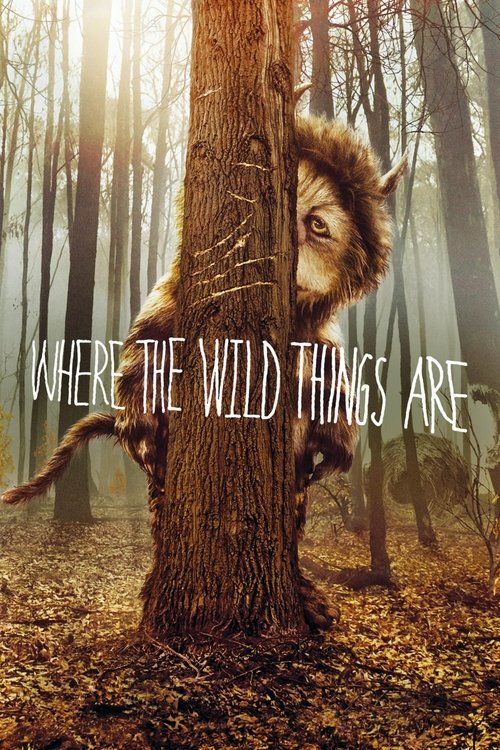
Where the Wild Things Are Christian Movie Review
(2009)A lonely boy named Max runs away into an imagined world filled with large, emotional creatures called the Wild Things. The story follows his search for belonging, friendship, and a way back home.
This is a thoughtful, emotionally heavy family film with mild language, threatening behavior, and some rough fantasy violence. Its bigger questions center on anger, loneliness, and what healthy love and authority look like in a family.
Use the content rating to gauge the mild peril and language, and the Christian guidance rating to think through the film’s emotional and moral framing.
Content Indicators

Reviewed 31 May 2026
Rachel focuses on animated films, family viewing habits, and helping parents spot worldview themes quickly.
Where the Wild Things Are Christian Movie Review (2009)
Guidance: Talk Together
This is a thoughtful, emotionally heavy family film with mild language, threatening behavior, and some rough fantasy violence. Its bigger questions center on anger, loneliness, and what healthy love and authority look like in a family.
Why This Guidance Level
This film sits in a middle zone for families: the surface content is mostly PG-level, but the emotional intensity is real. The fantasy violence, threats, and mild language are not extreme, yet the story spends a lot of time inside anger, loneliness, and fractured relationships, so many Christian families will want to talk through what the film is saying about love, authority, and belonging.
Faith & Worldview Perspective
The movie is built around emotional honesty and the longing to be known, which gives it real human insight. It also presents a messy picture of family life and self-rule, where feelings often drive behavior and reconciliation is tender but incomplete. Parents may want to discuss how Christ offers a firmer hope than imagination or raw emotion can provide.
Truths Reflected
- People long to be loved and to belong.
- Anger and loneliness can damage relationships.
Tensions to Discuss
- The film treats self-expression and emotional release as central answers, rather than repentance and wise self-control.
- Family authority and reconciliation are portrayed in a strained, human way without clear reference to the healing hope found in Christ.
Content & Discernment Markers
Occult & Spiritual Content
- Occult material does not stand out here. The fantasy world is imaginative and symbolic rather than rooted in spellcasting, ritual, or explicit supernatural instruction.
Sexuality & Relationships
- There is a brief adult relationship detail when Max’s mother has a man over for dinner; they drink wine and kiss briefly. It stays mild, but parents may want to note the presence of a boyfriend in the home setting.
Identity Themes
- Max is defined by loneliness, anger, and a deep wish to be wanted. He lashes out at home, then tries to find a place where he matters, which gives the film its emotional center. Parents may want to discuss identity as something rooted in being known by God, not just in being accepted by a group.
Violence & Intensity
- The Wild Things are chaotic and threatening: Carol shouts, “Tear them all down,” and “Burn down!” while others smash structures and join a dirt-clod conflict. Max is also threatened with being eaten, and there is stormy peril during his boat trip. The action is not graphic, but the mood is tense and sometimes frightening.
Language & Humour
- Language stays mild but includes “damn,” “hell,” “stupid,” and “God” used as an exclamation, along with sharp insults and angry outbursts. The tone is more emotional than profane, but parents will still notice the rough edges in the dialogue.
Other Content Notes
- The film leans dark in tone, with washed-out visuals, a haunting score, and a strong focus on emotional turmoil. It also includes a brief drinking scene with wine at dinner, which stays minor but adds to the adult texture of the home setting.
Notable Moments
- Home conflict: Max explodes at home, his mother corrects him firmly, and the scene captures the film’s tense family atmosphere.
“Get off the damn counter, Max! Now! Now!… This is not acceptable behavior. You are not acceptable.”
- Wild Things threaten: Carol’s rage turns destructive as he orders the group to tear things down and burn them, then talks about eating Max.
“Tear them all down. Tear them down. Burn down!”
- Lonely confession: The film’s emotional core comes through when Carol insists that nobody cares and he is the only one who wants the group to stay together.
“Nobody cares. I’m the only one that cares… that we don’t stay together.”
- Return home: The story closes on the ache and comfort of coming home, with Max and his mother reconnecting after the chaos.
“I’m sorry, honey. I would have done something about it.”
Discussion Prompts
- Anger and self-control: What did Max and Carol do when they felt hurt or left out, and what would a wiser response look like?
- Biblical guidance: Scripture calls believers to be slow to anger and to let self-control shape our words and actions.
- Scripture: James 1:19-20, Proverbs 15:1
- Belonging and identity: Why do you think Max wanted so badly to be accepted, and where should a person look for lasting worth?
- Biblical guidance: A Christian answer begins with being known and loved by God in Christ, not just by a group’s approval.
- Scripture: Ephesians 1:4-5, 1 John 3:1
- Family conflict and forgiveness: How did the film show the pain between Max and his mother, and what would forgiveness and repair look like in a real family?
- Biblical guidance: God calls families to truth, patience, and forgiveness, even when discipline is needed.
- Scripture: Colossians 3:12-14, Ephesians 6:1-4
Common questions about Where the Wild Things Are
- What age is Where the Wild Things Are suitable for?
- Where the Wild Things Are suits children of about 8 and older in most families. That follows its official classification. It is rated PG in Australia, the US, New Zealand, the UK and Canada. Language stays mild but includes “damn,” “hell,” “stupid,” and “God” used as an exclamation, along with sharp insults and angry outbursts.
- Is Where the Wild Things Are okay for a 6-year-old?
- Where the Wild Things Are is generally better suited to children of about 8 and up, so a 6-year-old may find parts of it a stretch. It is rated PG in Australia, the US, New Zealand, the UK and Canada. Language stays mild but includes “damn,” “hell,” “stupid,” and “God” used as an exclamation, along with sharp insults and angry outbursts. Families comfortable watching a little above the classification together may still be fine with it.
Age guidance is derived from this review's content findings and the film's official classifications. It is a starting point for your own judgement, not a rule.
Parent comments
Leave a comment on this review
Share a short note on Where the Wild Things Are, or help other parents with discernment.
Submit will ask you to sign in first.
Weekend family picks
Get the short family movie list before the weekend
Example newsletter: 3 movies to watch this weekend with your family, plus one question to ask after the credits.
Sample: 3 movies to watch this weekend with your family
One cinema pick, one streaming pick, one conversation-starter pick.
Related Articles
A few bigger-picture reads for parents who want more context than a single review page can hold.

How To Talk With Kids About Magic, Fate, And Spiritual Themes In Movies
Many family movies use magic, destiny, spirits, or cosmic balance to drive the story. This article helps Christian parents respond without overreacting, while still drawing clear lines back to biblical truth.
Read article
Animal Farm And Talking With Kids About Power, Truth, And Sin
Animal Farm can help older children see how slogans, fear, and corrupted authority distort truth, but parents should frame the story with a biblical view of sin.
Read article
How To Talk After A Scary Scene Without Overreacting
Children do not always process fear while the movie is still playing. This guide helps parents respond calmly after intense or unsettling scenes and turn the moment into wise reassurance instead of panic.
Read articleMore Reviews

Official regional ratings
Local ratings remain available for reference, but LionLens separates those classifications from Christian family discernment.
Review Method
How this review was prepared
LionLens reviews are written with subtitle and dialogue evidence where available, official regional ratings data, source research, and final human editorial review before publication.