
Human Reviewed
Parent feedback
18 families found this review helpful
Christian Movie Review
We Bought a Zoo Christian Movie Review
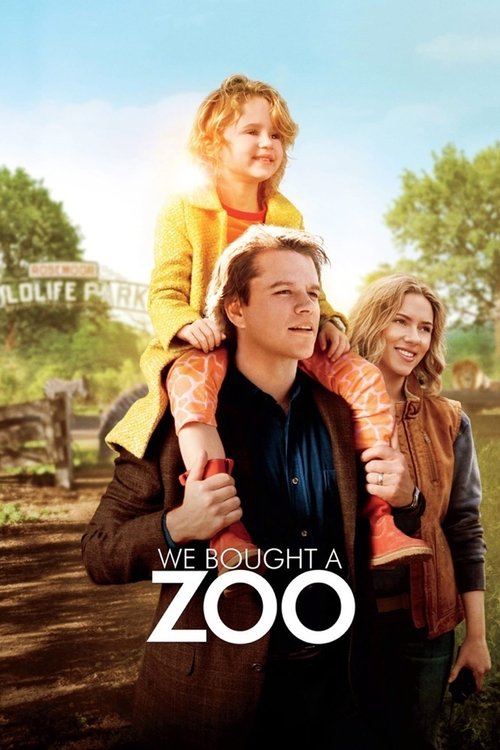
(2011)A widowed father moves his children into a struggling zoo and tries to rebuild their lives while keeping the place afloat. The story mixes family grief, workplace chaos, and warm humor as the characters learn to start over.
This is a heartfelt family drama with mild language, emotional tension, and some drinking references. Its biggest weight comes from grief and the film’s hopeful but human-centered message about healing and moving forward.
Use the PG rating for the light surface content and the discussion rating for the grief, worldview, and emotional themes.
Content Indicators

Reviewed 14 June 2026
Rachel focuses on animated films, family viewing habits, and helping parents spot worldview themes quickly.
We Bought a Zoo Christian Movie Review (2011)
Guidance: Talk Together
This is a heartfelt family drama with mild language, emotional tension, and some drinking references. Its biggest weight comes from grief and the film’s hopeful but human-centered message about healing and moving forward.
Why This Guidance Level
This film is gentle on surface content but carries real emotional weight. The language is mild yet noticeable, and the story centers on a family coping with death, stress, and change. The larger reason for discussion is worldview: the movie is hopeful and humane, but its comfort comes from effort, community, and starting over rather than from Christian hope in Christ, so families may want to talk through that difference.
Faith & Worldview Perspective
The film values family loyalty, perseverance, and practical love, and it shows people helping one another through grief and responsibility. It also presents a largely human-centered hope: healing comes through courage, work, and relationships, with little sense of dependence on God or Christian hope in Christ.
Truths Reflected
- Grief is real and families need support as they rebuild.
- Sacrificial love and steady work can help restore broken relationships.
Tensions to Discuss
- The film’s hope rests mainly on human resilience and community rather than on God’s care and redemption in Christ.
- It treats personal reinvention as the main answer to suffering, which can underplay lament, prayer, and dependence on the Lord.
Content & Discernment Markers
Occult & Spiritual Content
- Occult material does not stand out here. The film’s emotional center is grief, family rebuilding, and ordinary human effort rather than supernatural practice or spiritual instruction.
Sexuality & Relationships
- There is mild adult flirting and a few warm, affectionate exchanges, including talk about courting a woman and a kiss-level romantic thread. Nothing sexual drives the story, and the relationships stay within a family-drama frame.
Identity Themes
- Benjamin is defined by loss and by the role he tries to reclaim as a father. The children’s pain, especially Dylan’s anger and Rosie’s need for comfort, shapes the film’s emotional core. Parents may want to discuss how identity can be rooted in being loved by God, not only in success or family role.
Violence & Intensity
- The movie includes some peril and tense moments around the zoo, but it stays in family-drama territory rather than sustained violence. The main intensity comes from emotional strain, school trouble, and the stress of keeping the zoo running.
Language & Humour
- The language is mostly mild but includes words and phrases parents may notice, such as “Jesus,” “hell,” “damn,” “a—hole,” and “whatever.” Some of the humor comes from sharp teasing and frustrated outbursts, which may be worth a quick conversation about speech and respect.
Other Content Notes
- Grief is woven through the story from the start, with direct references to the mother’s death and the family’s struggle to move forward. The film also includes school discipline issues, a theft-related suspension, and references to adults drinking socially.
Notable Moments
- Grief at the breakfast table: Benjamin pushes his son to focus on school while the family is still raw from loss, and the line about a child whose mom died six months ago lands hard. It shows how grief affects parenting, school life, and a child’s sense of belonging.
“Nobody’s gonna give an F to a kid whose mom died six months ago.”
- Starting over: A friend urges Benjamin to let a little sunlight in and attempt to start over. The scene captures the film’s hopeful tone, but it also frames renewal as something people must generate on their own.
“You gotta let a little sunlight in.”
- Work through pain: Benjamin rejects pity and insists on moving ahead, while the conversation keeps circling back to loss and perseverance. Parents may want to discuss the difference between healthy perseverance and carrying grief alone.
“You lost your wife, man.”
Discussion Prompts
- Grief and hope: What helps a family heal after a loss, and what does the movie say helps most?
- Biblical guidance: Scripture treats grief honestly, but it also points us to God’s comfort and the living hope we have in Jesus Christ.
- Scripture: Psalm 34:18, John 11:25-26, 1 Thessalonians 4:13-14
- Speech and respect: How did the characters use words when they were frustrated, and what kind of speech honors others?
- Biblical guidance: The Bible calls believers to let speech build others up rather than tear them down.
- Scripture: Ephesians 4:29, Colossians 4:6, James 3:9-10
- Hope and identity: Where did the movie say hope comes from, and how is that different from hope in Christ?
- Biblical guidance: Christian hope is not just fresh starts or positive thinking; it rests in God’s redemption and faithfulness.
- Scripture: Romans 15:13, 2 Corinthians 5:17, 1 Peter 1:3
Common questions about We Bought a Zoo
- What age is We Bought a Zoo suitable for?
- We Bought a Zoo suits children of about 8 and older in most families. That follows its official classification. It is rated PG in Australia, the US, New Zealand, the UK and Canada. The language is mostly mild but includes words and phrases parents may notice, such as "Jesus," "hell," "damn," "a--hole," and "whatever."
- Is We Bought a Zoo okay for a 6-year-old?
- We Bought a Zoo is generally better suited to children of about 8 and up, so a 6-year-old may find parts of it a stretch. It is rated PG in Australia, the US, New Zealand, the UK and Canada. The language is mostly mild but includes words and phrases parents may notice, such as "Jesus," "hell," "damn," "a--hole," and "whatever." Families comfortable watching a little above the classification together may still be fine with it.
Age guidance is derived from this review's content findings and the film's official classifications. It is a starting point for your own judgement, not a rule.
Parent comments
Leave a comment on this review
Share a short note on We Bought a Zoo, or help other parents with discernment.
Submit will ask you to sign in first.
Weekend family picks
Get the short family movie list before the weekend
Example newsletter: 3 movies to watch this weekend with your family, plus one question to ask after the credits.
Sample: 3 movies to watch this weekend with your family
One cinema pick, one streaming pick, one conversation-starter pick.
Related Articles
A few bigger-picture reads for parents who want more context than a single review page can hold.
Animal Farm And Talking With Kids About Power, Truth, And Sin
Animal Farm can help older children see how slogans, fear, and corrupted authority distort truth, but parents should frame the story with a biblical view of sin.
Read article
Hoppers And Talking With Kids About Bodies, Identity, And Creation Care
Hoppers gives families a chance to talk about creation care, embodied identity, and whether good causes justify reckless choices.
Read article
Spotting Identity Messages In Family Films
A large number of modern family stories revolve around identity, self-expression, and becoming who you already are inside. Christian parents need a simple way to notice those messages and talk about them clearly.
Read articleMore Reviews


Official regional ratings
Local ratings remain available for reference, but LionLens separates those classifications from Christian family discernment.
Review Method
How this review was prepared
LionLens reviews are written with subtitle and dialogue evidence where available, official regional ratings data, source research, and final human editorial review before publication.