

Human Reviewed
Parent feedback
47 families found this review helpful
Christian Movie Review
Versa Christian Movie Review
(2025)Versa is a short, dialogue-free animated film shaped by themes of grief, loss, and healing. Its imagery and music present an abstract, cosmic-style journey that reflects a family's experience of sorrow and hope.
Surface content is very light, but the emotional subject behind the film is weighty. For many families, the main discernment question is not objectionable content but whether a child is ready for a grief-centered story told through abstract, spiritual-feeling imagery.
Use the content rating for what is shown on screen, and the Christian guidance rating for the deeper themes you may want to talk through.
Content Indicators

Reviewed 6 April 2026
Esther handles review quality, clarity, and the practical guidance families need after the credits roll.
Versa Christian Movie Review (2025)
Guidance: Talk Together
Surface content is very light, but the emotional subject behind the film is weighty. For many families, the main discernment question is not objectionable content but whether a child is ready for a grief-centered story told through abstract, spiritual-feeling imagery.
Why This Guidance Level
Versa lands here because its surface content is mild, but its central burden is grief over the loss of a child, presented through abstract and ethereal imagery that invites interpretation. Many Christian families may appreciate its honesty about sorrow while still wanting to discuss where lasting comfort comes from and how Christian hope in Christ differs from vague spiritual feeling.
Faith & Worldview Perspective
The film honors grief, love, and the healing value of family support, and those are meaningful truths. Its emotional world, however, is carried by poetic cosmic imagery rather than by a clear understanding of God, suffering, or redemption in Jesus Christ. Parents may want to talk with children about the difference between feeling moved by beautiful imagery and finding real hope in Christ.
Truths Reflected
- Grief is real and should not be ignored or hidden.
- Families often need one another’s support as they heal.
Tensions to Discuss
- Comfort is framed through abstract, ethereal imagery rather than through the character of God and the hope found in Jesus Christ.
- The film’s spiritual tone may encourage emotional interpretation without offering clear truth about life, death, and redemption.
Content & Discernment Markers
Occult & Spiritual Content
- Occult material does not stand out here, but the short uses ethereal, heavenly-sounding music and cosmic, imaginative imagery to carry its emotional meaning. For Christian families, the concern is less explicit spiritual practice and more a vague mystical atmosphere that can feel transcendent without pointing to God. Parents may want to discuss how beauty and wonder differ from spiritual truth.
Sexuality & Relationships
- There is no sexual content of note. The only relationship material is a husband and wife speaking tenderly about grieving differently and supporting one another through loss.
Identity Themes
- The film’s emotional focus is on family identity shaped by loss rather than on self-definition or culture-war themes. A father describes trying to stay busy after tragedy while his wife engages grief more directly, which can prompt conversation about healthy and unhealthy ways people process pain.
Violence & Intensity
- There is no physical violence described. The intensity comes from sorrowful subject matter, somber music, and the emotional weight of a family processing the death of a baby.
Language & Humour
- Language is clean. The spoken introduction includes emotional but non-profane lines such as ‘I’m so not fine,’ with no notable crude jokes or coarse expressions parents would usually flag.
Other Content Notes
- A spoken introduction directly addresses pregnancy, complication, and the loss of a baby: ‘my wife and I were expecting our son’ and ‘we ended up losing our son.’ This is the heaviest material connected to the film and may be especially tender for families who have experienced miscarriage, stillbirth, or infant loss.
- The introduction also includes painful grief details such as, ‘I had never gone into the nursery. I’d never been able to,’ while his wife spends time there and photographs their grieving process. This gives the short a mature emotional frame even though the animation itself is gentle. Parents may want to prepare children for sadness before viewing.
Notable Moments
- Loss of a child: The director explains that the film grew out of the death of his baby son during pregnancy complications, setting a deeply sorrowful frame for the short.
“we ended up losing our son, his name was Cooper”
- Different grief responses: The husband and wife process loss differently, with one avoiding the nursery and the other spending time there and documenting the moment through photography.
“I had never gone into the nursery. I’d never been able to.”
- Healing through support: The film’s origin story emphasizes family and community support during grief, which gives the short a compassionate emotional core.
“Keely and I were so humbled by the support from all of our friends and family”
Discussion Prompts
- Grief and honesty: What did this story show about sadness and how people carry grief differently?
- Biblical guidance: Scripture gives room for sorrow and teaches us to bring grief honestly to God rather than pretending we are fine.
- Scripture: Psalm 34:18, Romans 12:15
- Hope in suffering: When a movie uses beautiful images to talk about loss, where do we believe true comfort and hope come from?
- Biblical guidance: Christian hope is not just a feeling of peace or wonder; it is grounded in the character of God and the resurrection hope we have in Jesus Christ.
- Scripture: 1 Thessalonians 4:13-14, John 11:25
- Family support: How did the family help each other through pain, and what does it look like for us to care for hurting people?
- Biblical guidance: Believers are called to bear one another’s burdens with gentleness, patience, and love.
- Scripture: Galatians 6:2, Colossians 3:12-14
- Beauty and truth: Can something feel spiritual or moving without telling us what is actually true about God?
- Biblical guidance: Christians can appreciate beauty while also testing messages carefully and holding fast to what is true in Christ.
- Scripture: Philippians 4:8, 1 Thessalonians 5:21
Common questions about Versa
- What age is Versa suitable for?
- Versa suits children of about 4 and older in most families. That follows its official classification. It is rated G in Australia and New Zealand, and PG in the US and Canada.
Age guidance is derived from this review's content findings and the film's official classifications. It is a starting point for your own judgement, not a rule.
Parent comments
Leave a comment on this review
Share a short note on Versa, or help other parents with discernment.
Submit will ask you to sign in first.
Weekend family picks
Get the short family movie list before the weekend
Example newsletter: 3 movies to watch this weekend with your family, plus one question to ask after the credits.
Sample: 3 movies to watch this weekend with your family
One cinema pick, one streaming pick, one conversation-starter pick.
Related Articles
A few bigger-picture reads for parents who want more context than a single review page can hold.

How To Talk With Kids About Magic, Fate, And Spiritual Themes In Movies
Many family movies use magic, destiny, spirits, or cosmic balance to drive the story. This article helps Christian parents respond without overreacting, while still drawing clear lines back to biblical truth.
Read article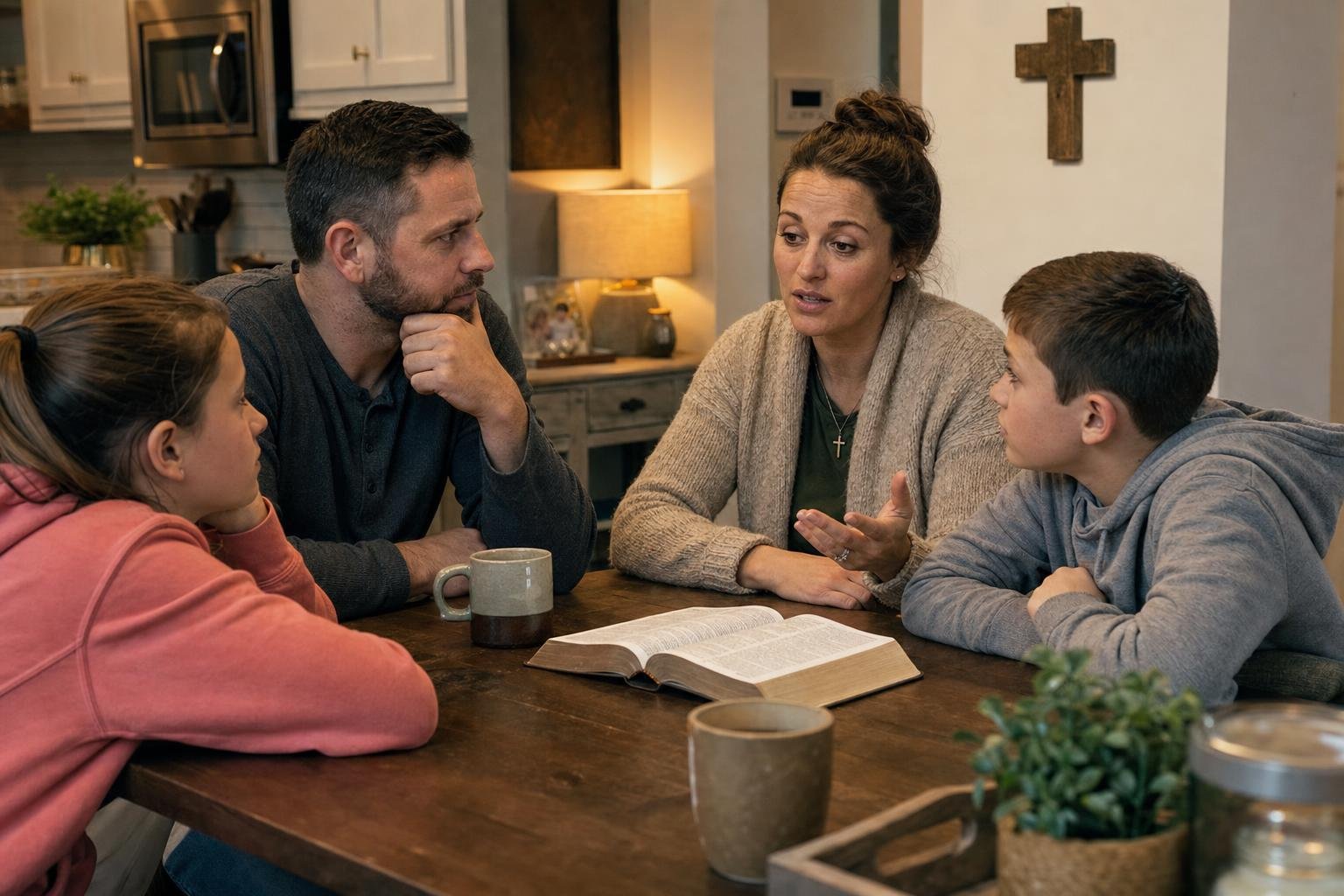
How To Talk With Kids About Dragon magic In Family Movies
A parent-friendly guide to discussing dragon magic in family movies through a Christian lens.
Read article
How To Talk With Kids About Mild fantasy peril In Family Movies
A parent-friendly guide to discussing mild fantasy peril in family movies through a Christian lens.
Read articleMore Reviews




Official regional ratings
Local ratings remain available for reference, but LionLens separates those classifications from Christian family discernment.
Review Method
How this review was prepared
LionLens reviews are written with subtitle and dialogue evidence where available, official regional ratings data, source research, and final human editorial review before publication.