Human Reviewed
Parent feedback
64 families found this review helpful
Christian Movie Review
Trolls Christian Movie Review
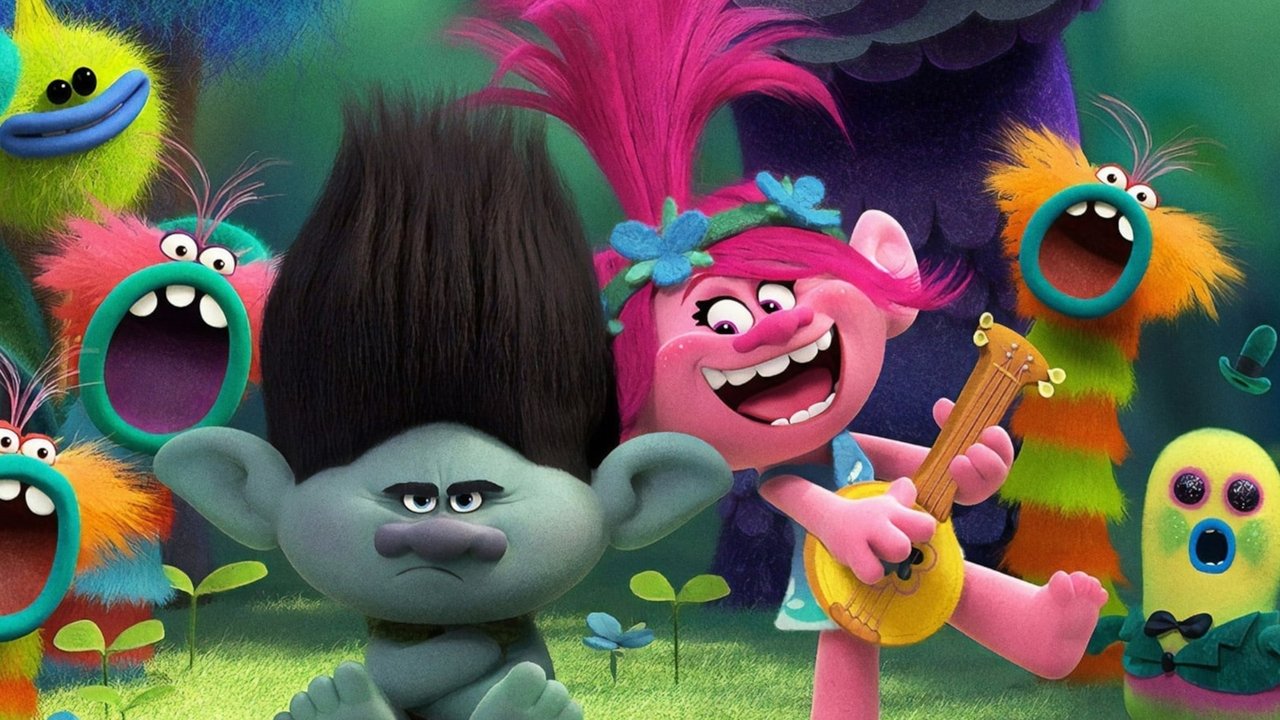
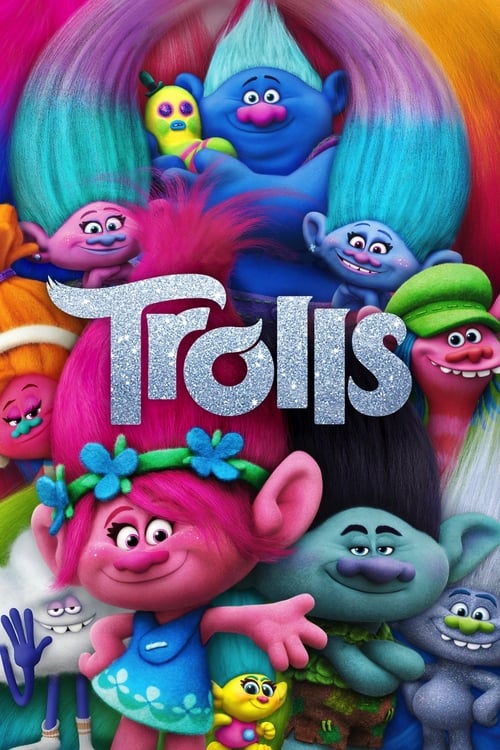
(2016)After the monstrous Bergens invade Troll Village, Princess Poppy, the happiest Troll ever born, and overly-cautious, curmudgeonly outcast Branch set off on a journey to rescue her friends. Their mission is full of adventure and mishaps, as this mismatched duo try to tolerate each other long enough to get the job done.
Trolls is a bright, musical family adventure with upbeat friendship themes, but it also includes repeated peril tied to Trolls being hunted and eaten, plus a worldview that treats happiness as something found mainly within ourselves. For many Christian families, the bigger conversation is less about surface content and more about what the film says joy is and where it comes from.
Start with the content rating, then use the Christian guidance rating to decide how much conversation your family may need.
Content Indicators

Reviewed 19 March 2026
Micah covers action, fantasy, and franchise releases, with close attention to violence, spiritual themes, and moral framing.
Trolls Christian Movie Review (2016)
Guidance: Talk Together
Trolls is a bright, musical family adventure with upbeat friendship themes, but it also includes repeated peril tied to Trolls being hunted and eaten, plus a worldview that treats happiness as something found mainly within ourselves. For many Christian families, the bigger conversation is less about surface content and more about what the film says joy is and where it comes from.
Why This Guidance Level
This is still a mainstream family film, but the concern level rises above minimal because the story repeatedly returns to the threat of Trolls being eaten, with chase scenes, capture, and villainous threats that may trouble younger children. Just as important, the film’s central message leans toward self-generated happiness and emotional authenticity rather than lasting joy rooted in truth, reconciliation, and hope in Jesus Christ.
Faith & Worldview Perspective
The film warmly celebrates friendship, courage, sacrifice, and care for others. It also pushes a strong message that happiness is already inside you and can be awakened by the right support, which partly reflects common grace observations about encouragement and gratitude but stops short of Christian truth about the human heart. Scripture points families beyond mood and self-expression to deeper joy, repentance, love, and hope in Christ. Parents may want to discuss the difference between temporary happiness and lasting joy in Jesus Christ.
Truths Reflected
- Friends should show loyalty, courage, and self-giving love.
- People should not treat others as objects to consume for their own happiness.
Tensions to Discuss
- The film suggests happiness is found mainly by looking within, which can conflict with the Christian understanding that true joy is ultimately found in God, not in the self.
- Emotional fulfillment is treated as a highest good, which may need discussion because Scripture calls us to seek truth, holiness, and hope in Christ even when we do not feel happy.
Content & Discernment Markers
Occult & Spiritual Content
- Occult material does not stand out here. The story uses fantasy creatures and exaggerated ideas about happiness, but it does not center on spell-casting, spirit contact, or spiritual practices that would usually be the main concern for Christian families.
Sexuality & Relationships
- Romantic content is light and mostly played for comedy, including flirting and a crush. Some humor around attraction and appearance may prompt a brief conversation about valuing people for who they are rather than for performance or image.
Identity Themes
- A major theme is that each person should embrace who they are, especially through Branch’s resistance to forced cheerfulness and Poppy’s insistence that ‘everyone deserves to be happy.’ That can open a useful talk about identity being more than feelings and being grounded in how God made us. Parents may want to discuss whether ‘being yourself’ is enough without truth, wisdom, and growth in Christ.
Violence & Intensity
- The central threat is that Bergens believe eating Trolls will make them happy. Early scenes describe Troll-eating as a yearly tradition called Trollstice, and that idea drives much of the danger in the story. Even in a colorful comic style, the premise may feel intense for sensitive children because the threat is personal and repeated.
- There are chase and capture scenes during the Bergen attack, with frightened cries like ‘Run! Run! Run!’ and characters scrambling to escape. The tension stays in family-animation territory, but younger viewers may still feel the panic.
- Villain dialogue includes forceful threats such as ‘Make my son happy! He will be happy!’ and ‘I’ll find the Trolls! And shove them down your ungrateful throats.’ The language matters because it reinforces the film’s darker idea that others can be used or consumed for personal satisfaction.
Language & Humour
- Language is generally mild. The most notable phrase is ‘Oh, my God’ used as an exclamation, along with insults and teasing such as ‘party pooper’ and other light put-downs. There is also broad, silly humor built around pop slang and playful mockery.
Other Content Notes
- The movie is packed with loud music, frantic energy, and constant positivity. For some children, that tone is simply fun; for others, it can blur the line between real joy and nonstop stimulation. Parents may want to discuss whether happiness always has to look loud, busy, and outwardly cheerful.
Notable Moments
- Trollstice premise: The opening explains that Bergens believe eating Trolls is the only way to feel happy, setting up the film’s main threat and worldview contrast.
“Eating a Troll made them feel so happy… they started a tradition.”
- Rescue urgency: During the escape, the Trolls scramble to save one another while the Bergens pursue them.
“No Troll left behind!”
- Inner-happiness message: Poppy tries to draw Branch out of his gloom by insisting happiness is already inside him.
“I know you have happiness inside you. You just need our help to find it.”
- Branch’s resistance: Branch rejects the film’s constant cheerfulness and becomes the clearest voice of caution.
“I don’t do happy.”
Discussion Prompts
- Where does real joy come from?: The movie says happiness is inside us. Do you think joy comes from inside us, from our circumstances, or from God? What is the difference?
- Biblical guidance: Scripture teaches that lasting joy is rooted in the Lord, not just in our feelings or in getting what we want. Christian hope is deeper than temporary happiness because it rests in Jesus Christ.
- Scripture: Psalm 16:11, John 15:11, Philippians 4:4
- Using others for our own happiness: Why is it wrong that the Bergens want to consume Trolls to feel better? Do people ever use others in less obvious ways today?
- Biblical guidance: God calls us to love our neighbor, not use people as tools for our comfort, popularity, or pleasure.
- Scripture: Mark 12:31, Philippians 2:3-4, 1 Corinthians 10:24
- Encouragement and truth: Poppy is encouraging, but Branch is cautious. When do we need encouragement, and when do we need wise warnings?
- Biblical guidance: Christian love includes both comfort and truth. Wisdom listens to warnings, and love builds others up faithfully.
- Scripture: Proverbs 12:15, Ephesians 4:15, 1 Thessalonians 5:11
- Identity and feelings: If someone says, ‘I don’t do happy,’ how should we respond? Should our feelings define who we are?
- Biblical guidance: Feelings matter, but they are not our final authority. Our deepest identity is found in the God who made us and, for believers, in Jesus Christ.
- Scripture: Psalm 139:13-14, Jeremiah 17:9, 2 Corinthians 5:17
Common questions about Trolls
- What age is Trolls suitable for?
- Trolls suits children of about 6 and older in most families. The main reason is violence and peril. The central threat is that Bergens believe eating Trolls will make them happy. Younger viewers may still enjoy it alongside a parent, and it raises worldview questions worth talking through afterwards.
- Is Trolls okay for a 4-year-old?
- Trolls is generally better suited to children of about 6 and up, so a 4-year-old may find parts of it a stretch. The central threat is that Bergens believe eating Trolls will make them happy. Families whose children handle violence and peril well may still be comfortable watching together.
Age guidance is derived from this review's content findings and the film's official classifications. It is a starting point for your own judgement, not a rule.
Parent comments
Leave a comment on this review
Share a short note on Trolls, or help other parents with discernment.
Submit will ask you to sign in first.
Weekend family picks
Get the short family movie list before the weekend
Example newsletter: 3 movies to watch this weekend with your family, plus one question to ask after the credits.
Sample: 3 movies to watch this weekend with your family
One cinema pick, one streaming pick, one conversation-starter pick.
Related Articles
A few bigger-picture reads for parents who want more context than a single review page can hold.

Animal Farm And Talking With Kids About Power, Truth, And Sin
Animal Farm can help older children see how slogans, fear, and corrupted authority distort truth, but parents should frame the story with a biblical view of sin.
Read article
5 Things To Notice In Kids Movies Before The Message Lands
A child can absorb a movie long before they can explain it. These five checkpoints help Christian parents notice what a film is training the heart to love, fear, excuse, or trust.
Read article
Why A Clean Movie Can Still Need A Christian Conversation
Sometimes the hardest films to evaluate are not the obviously rough ones, but the polished and emotionally appealing movies that carry deeper assumptions quietly. This article explains why.
Read articleMore Reviews



Official regional ratings
Local ratings remain available for reference, but LionLens separates those classifications from Christian family discernment.
Review Method
How this review was prepared
LionLens reviews are written with subtitle and dialogue evidence where available, official regional ratings data, source research, and final human editorial review before publication.