
Human Reviewed
Parent feedback
19 families found this review helpful
Christian Movie Review
Toy Story 5 Christian Movie Review
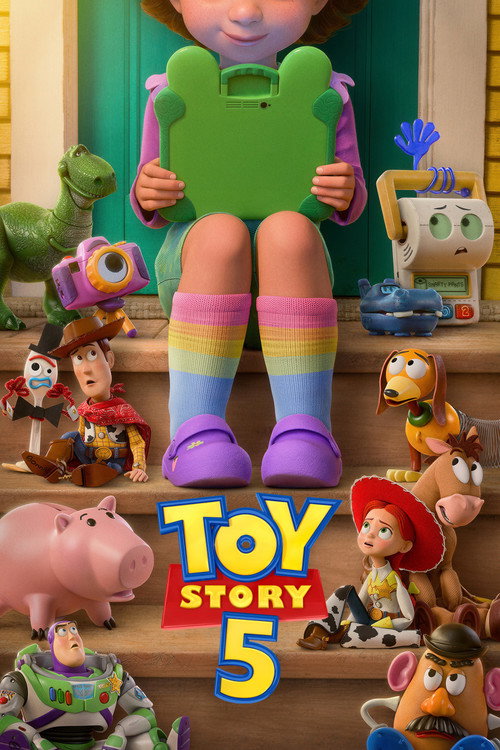
(2026)In this new Toy Story adventure, Bonnie receives a Lilypad tablet, and her growing fixation on screens disrupts the toys' place in her life. Woody, Buzz, Jessie, and the others face rescue missions, comic danger, and questions about purpose, friendship, and what it means to matter when a child changes.
This is a family-friendly animated sequel with mild language, light romantic moments, and frequent but mostly playful peril. Its bigger value for Christian families is the conversation it opens about screens, identity, belonging, and whether our worth comes from being useful, noticed, or loved.
Use the content rating for what children will see and hear, and the Christian guidance rating for what the film may lead you to discuss afterward.
Content Indicators

Reviewed 30 April 2026
Micah covers action, fantasy, and franchise releases, with close attention to violence, spiritual themes, and moral framing.
Toy Story 5 Christian Movie Review (2026)
Guidance: Talk Together
This is a family-friendly animated sequel with mild language, light romantic moments, and frequent but mostly playful peril. Its bigger value for Christian families is the conversation it opens about screens, identity, belonging, and whether our worth comes from being useful, noticed, or loved.
Why This Guidance Level
This lands in the middle category because the surface content is fairly light, but the film puts real weight on questions of technology, belonging, purpose, and emotional hurt through screen-based interaction. Christian parents may want to talk with children about where identity comes from, how technology shapes the heart, and why love, presence, and hope in Christ go deeper than being entertained, included, or useful.
Faith & Worldview Perspective
Toy Story 5 values friendship, loyalty, creativity, and personal connection over passive screen absorption, and that is a healthy instinct many families will appreciate. The film also shows how online-style ridicule and exclusion can wound a child, which gives moral weight to words and relationships. Where Christian families may want to go deeper is in the film’s treatment of meaning: the toys wrestle with purpose in relation to being wanted and played with, while Scripture points children beyond usefulness to an identity received from their Creator and secured in Christ. Parents may want to discuss how technology can serve people without becoming a master.
Truths Reflected
- Friendship, loyalty, and sacrificial care for others are presented as good and worth protecting.
- Imaginative play and face-to-face connection are shown as healthier than constant screen fixation.
Tensions to Discuss
- The story can frame worth mainly around being meaningful to someone else, while Christian hope says our deepest worth begins with being made by God and loved in Jesus Christ.
- The film critiques technology well, but children may still need help seeing that the heart’s desires, not just the device itself, are the deeper issue.
Content & Discernment Markers
Occult & Spiritual Content
- Occult material does not stand out here. The story’s fantasy premise remains in the familiar Toy Story world of living toys rather than magic practice or spiritual instruction.
Sexuality & Relationships
- An early scene includes Forky and Karen Beverly getting married and sharing a newlywed kiss. Later, another couple kisses during a wedding ceremony. These moments are brief and light.
Identity Themes
- A central thread asks what gives the toys value when Bonnie’s attention shifts to a tablet. That can be a helpful conversation starter about whether worth comes from being useful, included, or loved by God. Parents may want to connect this to identity in Christ rather than performance or popularity.
- Bonnie’s hurt through the Lilypad platform includes ridicule, exclusion, and rejection, tying identity to online response and social approval. This matters for Christian families because it mirrors how children can look for belonging in the crowd instead of resting in truth and wise relationships.
Violence & Intensity
- Several sequences place toys in danger of being lost, damaged, discarded, or separated from their owner. The tension is real for younger children, but it stays within the adventurous, family-film tone of the franchise.
- A large hog nearly eats or slobbers over more than one toy, creating gross-out peril that may unsettle sensitive viewers while still being played partly for laughs.
- Newly activated Buzz Lightyears think they are on a military mission and move in formation with what they believe are real weapons. The action is comic rather than graphic, but it adds repeated chase-and-threat energy.
Language & Humour
- Mild language includes “shut up,” the cut-off phrase “he’ll wipe your…,” and the comic line “flush me.” The humor also leans into bathroom jokes about number one, number two, and a poo-sign guessing game, which many families will simply read as childish gross-out comedy.
Other Content Notes
- Low-battery tech toys slur their speech and act sluggish until their batteries are replaced, creating a brief intoxication-style gag. It is not substance use, but parents may still notice the resemblance.
- The film repeatedly contrasts imaginative play with screen dependence and shows Bonnie being emotionally hurt through social-media-style interactions on the Lilypad. This is one of the movie’s most important discussion points for families navigating devices at home.
Notable Moments
- Screen-driven rejection: Bonnie is hurt through interactions on the Lilypad platform, including ridicule and exclusion, giving the film one of its clearest emotional warnings about screen-shaped social life.
- Comic military Buzzes: Activated Buzz Lightyears treat their situation like a military operation and use supposed weapons in a humorous action setup.
- Potty-trainer humor: Smarty Pants and related jokes bring repeated bathroom comedy into the story, including number one, number two, and poo-sign humor.
""flush me""
Discussion Prompts
- Screens and the heart: What did the tablet promise Bonnie, and what did it actually do to her friendships and feelings?
- Biblical guidance: Talk about how tools can be useful, but our hearts must not be ruled by them. Wisdom asks whether something is helping us love God and people well.
- Scripture: 1 Corinthians 6:12, Ephesians 5:15-16
- Where worth comes from: How did the toys decide whether they still mattered when they were not getting the attention they wanted?
- Biblical guidance: Children can be reminded that their value does not rise and fall with usefulness, popularity, or being noticed. Our deepest worth comes from being made by God and loved in Jesus Christ.
- Scripture: Genesis 1:27, Romans 5:8, Ephesians 2:10
- Words that wound: How did ridicule and exclusion affect Bonnie, and why do online words still matter to God?
- Biblical guidance: Scripture teaches that words can give life or cause harm, and Christians are called to speak with grace and truth.
- Scripture: Proverbs 18:21, Ephesians 4:29
- Friendship and sacrificial care: Which character showed real loyalty, and how is that different from only staying close when it is easy or fun?
- Biblical guidance: The film’s best moments reflect the goodness of faithful friendship, which points toward the greater love and faithfulness of Christ.
- Scripture: John 15:13, Proverbs 17:17
Common questions about Toy Story 5
- What age is Toy Story 5 suitable for?
- Toy Story 5 suits children of about 6 and older in most families. The main reason is violence and peril. Several sequences place toys in danger of being lost, damaged, discarded, or separated from their owner.
- Is Toy Story 5 okay for a 4-year-old?
- Toy Story 5 is generally better suited to children of about 6 and up, so a 4-year-old may find parts of it a stretch. Several sequences place toys in danger of being lost, damaged, discarded, or separated from their owner. Families whose children handle violence and peril well may still be comfortable watching together.
Age guidance is derived from this review's content findings and the film's official classifications. It is a starting point for your own judgement, not a rule.
Parent comments
Leave a comment on this review
Share a short note on Toy Story 5, or help other parents with discernment.
Submit will ask you to sign in first.
Weekend family picks
Get the short family movie list before the weekend
Example newsletter: 3 movies to watch this weekend with your family, plus one question to ask after the credits.
Sample: 3 movies to watch this weekend with your family
One cinema pick, one streaming pick, one conversation-starter pick.
Related Articles
A few bigger-picture reads for parents who want more context than a single review page can hold.

Animal Farm And Talking With Kids About Power, Truth, And Sin
Animal Farm can help older children see how slogans, fear, and corrupted authority distort truth, but parents should frame the story with a biblical view of sin.
Read article
5 Things To Notice In Kids Movies Before The Message Lands
A child can absorb a movie long before they can explain it. These five checkpoints help Christian parents notice what a film is training the heart to love, fear, excuse, or trust.
Read article
How To Talk With Kids About Magic, Fate, And Spiritual Themes In Movies
Many family movies use magic, destiny, spirits, or cosmic balance to drive the story. This article helps Christian parents respond without overreacting, while still drawing clear lines back to biblical truth.
Read articleMore Reviews



Official regional ratings
Local ratings remain available for reference, but LionLens separates those classifications from Christian family discernment.
Review Method
How this review was prepared
LionLens reviews are written with subtitle and dialogue evidence where available, official regional ratings data, source research, and final human editorial review before publication.