Human Reviewed
Parent feedback
24 families found this review helpful
Christian Movie Review
Toy Story 4 Christian Movie Review
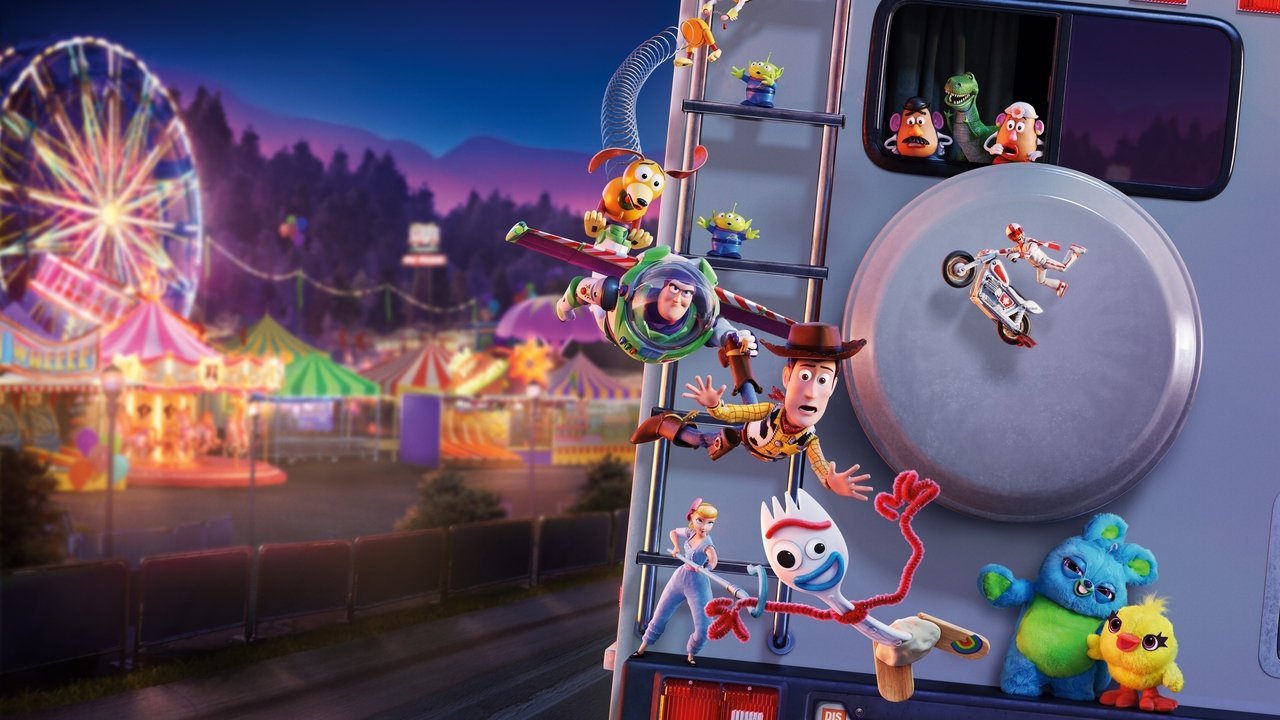
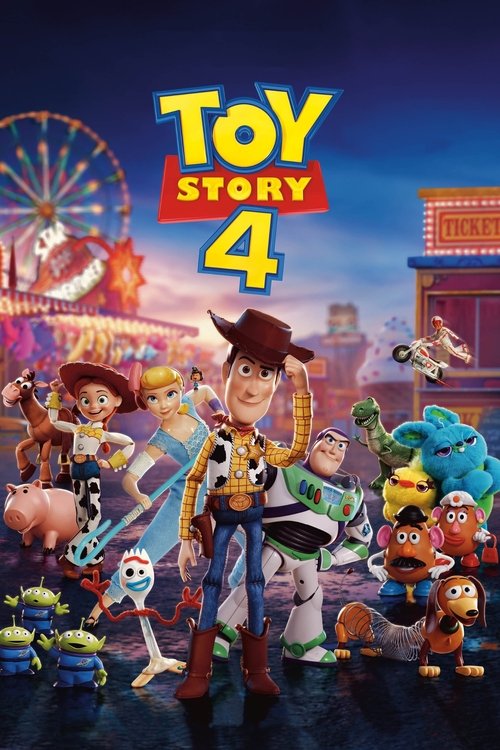
(2019)Woody has always been confident about his place in the world, devoted to taking care of his kid-whether that's Andy or Bonnie. But after Bonnie creates a reluctant new toy called "Forky", a road trip adventure alongside old and new friends challenges everything Woody believes about loyalty, purpose, and what it truly means to be a toy.
Toy Story 4 is a warm, funny family film with strong themes of loyalty, sacrifice, and care for others. Its main discernment point is not harsh content so much as its message about purpose, belonging, and following an inner sense of fulfillment, which gives parents a good opening for conversation.
Start with the content rating, then use the Christian guidance rating to decide how much conversation your family may need.
Content Indicators

Reviewed 20 April 2026
Esther handles review quality, clarity, and the practical guidance families need after the credits roll.
Toy Story 4 Christian Movie Review (2019)
Guidance: Talk Together
Toy Story 4 is a warm, funny family film with strong themes of loyalty, sacrifice, and care for others. Its main discernment point is not harsh content so much as its message about purpose, belonging, and following an inner sense of fulfillment, which gives parents a good opening for conversation.
Why This Guidance Level
This film stays within the normal range for family animation in surface content, with mostly mild peril, emotional tension, and a few insulting words. The bigger issue for Christian families is the film’s view of purpose and identity, which leans toward self-directed meaning and following an inner voice rather than grounding purpose in the God who made us. That does not make the film harsh, but it does make it worth discussing.
Faith & Worldview Perspective
The story reflects real virtues like loyalty, courage, compassion, and laying down your own comfort for someone else. It also spends much of its emotional weight on questions of purpose, belonging, and whether a character should remain in a role of sacrificial service or seek a new path that feels more personally fulfilling. That can open a thoughtful family conversation: Christians can affirm love, courage, and care for others while also remembering that our deepest identity is not self-created but received from God, and our hope is not in reinvention but in Jesus Christ. Parents may want to discuss the difference between listening to feelings and following truth.
Truths Reflected
- Friendship, loyalty, and sacrificial care for others are treated as meaningful goods.
- The film recognizes that rejection, change, and being overlooked can be painful and emotionally real.
Tensions to Discuss
- The story leans toward finding purpose by choosing your own path, which may conflict with a Christian view that identity and calling are ultimately received from God.
- The language of following an inner voice can sound wise, but Christian discernment is meant to be shaped by truth in Christ rather than feelings alone.
Content & Discernment Markers
Occult & Spiritual Content
- Occult material does not stand out here. The film is built around animated toys and fantasy play rather than spells, spiritual practices, or supernatural teaching outside a biblical framework.
Sexuality & Relationships
- Romantic material is very light. There is some affectionate longing between toy characters and a tender reunion dynamic, but nothing sexually explicit or suggestive in a way that would drive concern for most families.
Identity Themes
- A central thread asks what gives a toy purpose and whether belonging to a child is still the defining source of meaning. In a key emotional exchange, Bo Peep tells Woody, “I’m not Andy’s toy… It’s time for the next kid,” pushing the story toward questions of identity, calling, and moving on. Christian parents may want to discuss where our true identity comes from and why purpose is not something we invent on our own.
- Woody wrestles with being overlooked and not chosen during playtime, which gives the film a gentle but real sadness around usefulness, worth, and being left behind. That emotional angle may connect strongly with children who fear being forgotten or replaced.
Violence & Intensity
- The opening rescue plays with real tension: thunder crashes, wind blows, toys shout instructions, and Woody fears a lost toy “will be lost! Forever!” as they launch “Operation Pull-Toy!” The action is stylized and family-friendly, but younger viewers may still feel the suspense.
- Elsewhere the film includes chase-and-escape style adventure, comic scuffles, and toy-in-peril moments typical of the franchise. The danger is not graphic, but the repeated rescue setup helps shape the viewing experience more than a completely gentle preschool film would.
Language & Humour
- Language is mild. The sharper words parents are most likely to notice are insults such as “crazy,” “terrifying,” “weirdo,” “dummy,” “idiot,” and “stupid.” These are more teasing and put-downs than profanity, but they still give parents a chance to talk about speech that tears down rather than builds up.
Other Content Notes
- Separation and loss are emotionally important in this story. A child panics, “Mom, where’s Woody?” and the film lingers on the fear of being misplaced, given away, or no longer wanted. Parents may want to prepare sensitive children for the sadness around change and goodbye.
- There is mild rule-testing around Bonnie wanting to bring a toy to kindergarten orientation and being told, “Toys don’t go to school, that’s the rule.” The moment is not rebellious in a heavy way, but it does frame rules as obstacles to work around.
Notable Moments
- Storm rescue: A rainy-night rescue sequence uses thunder, shouting, and coordinated action as the toys try to save one who is stranded outside.
“WOODY: “No. Well, he’s done for. He’ll be lost! Forever!""
- Bo Peep goodbye: An emotional exchange reframes the question of what a toy is for and whether it is time to move on.
“BO PEEP: “I’m not Andy’s toy… It’s time for the next kid.""
- Fear of being lost: The film highlights a child’s distress at not being able to find Woody, reinforcing the sadness of separation.
“ANDY: “Mom, where’s Woody?""
- Kindergarten rule: A small but memorable family moment sets up Bonnie’s anxiety about school and her desire for comfort.
“BONNIE’S DAD: “Toys don’t go to school, that’s the rule.""
Discussion Prompts
- Identity and purpose: When someone feels forgotten or not chosen, what should tell them who they are and what they are worth?
- Biblical guidance: Our value is not based on being picked, useful, or admired. We are made by God and loved in Christ.
- Scripture: Psalm 139:13-14, Ephesians 2:10
- Listening to your inner voice: How can we tell the difference between following our feelings and following what is true and wise?
- Biblical guidance: Scripture warns that our hearts can mislead us, so Christians test desires by God’s truth and the hope we have in Jesus Christ.
- Scripture: Jeremiah 17:9, John 14:6, Romans 12:2
- Friendship and sacrifice: What does this movie show about helping others, and when is sacrifice loving and good?
- Biblical guidance: The film reflects the beauty of laying down comfort for a friend, which points toward the greater love shown by Christ.
- Scripture: John 15:13, Philippians 2:3-4
- Change and loss: Why do goodbyes hurt so much, and how can we trust God when life changes?
- Biblical guidance: Change is part of life in a fallen world, but God’s care is steady and our hope is secure in Him.
- Scripture: Deuteronomy 31:8, Hebrews 13:8, Psalm 34:18
Common questions about Toy Story 4
- What age is Toy Story 4 suitable for?
- Toy Story 4 suits children of about 6 and older in most families. The main reason is violence and peril. The opening rescue plays with real tension: thunder crashes, wind blows, toys shout instructions, and Woody fears a lost toy "will be lost!
- Is Toy Story 4 okay for a 4-year-old?
- Toy Story 4 is generally better suited to children of about 6 and up, so a 4-year-old may find parts of it a stretch. The opening rescue plays with real tension: thunder crashes, wind blows, toys shout instructions, and Woody fears a lost toy "will be lost! Families whose children handle violence and peril well may still be comfortable watching together.
Age guidance is derived from this review's content findings and the film's official classifications. It is a starting point for your own judgement, not a rule.
Parent comments
Leave a comment on this review
Share a short note on Toy Story 4, or help other parents with discernment.
Submit will ask you to sign in first.
Weekend family picks
Get the short family movie list before the weekend
Example newsletter: 3 movies to watch this weekend with your family, plus one question to ask after the credits.
Sample: 3 movies to watch this weekend with your family
One cinema pick, one streaming pick, one conversation-starter pick.
Related Articles
A few bigger-picture reads for parents who want more context than a single review page can hold.

How To Talk With Kids About Magic, Fate, And Spiritual Themes In Movies
Many family movies use magic, destiny, spirits, or cosmic balance to drive the story. This article helps Christian parents respond without overreacting, while still drawing clear lines back to biblical truth.
Read article
Animal Farm And Talking With Kids About Power, Truth, And Sin
Animal Farm can help older children see how slogans, fear, and corrupted authority distort truth, but parents should frame the story with a biblical view of sin.
Read article
How To Talk After A Scary Scene Without Overreacting
Children do not always process fear while the movie is still playing. This guide helps parents respond calmly after intense or unsettling scenes and turn the moment into wise reassurance instead of panic.
Read articleMore Reviews




Official regional ratings
Local ratings remain available for reference, but LionLens separates those classifications from Christian family discernment.
Review Method
How this review was prepared
LionLens reviews are written with subtitle and dialogue evidence where available, official regional ratings data, source research, and final human editorial review before publication.