
Human Reviewed
Parent feedback
48 families found this review helpful
Christian Movie Review
Toy Story 3 Christian Movie Review
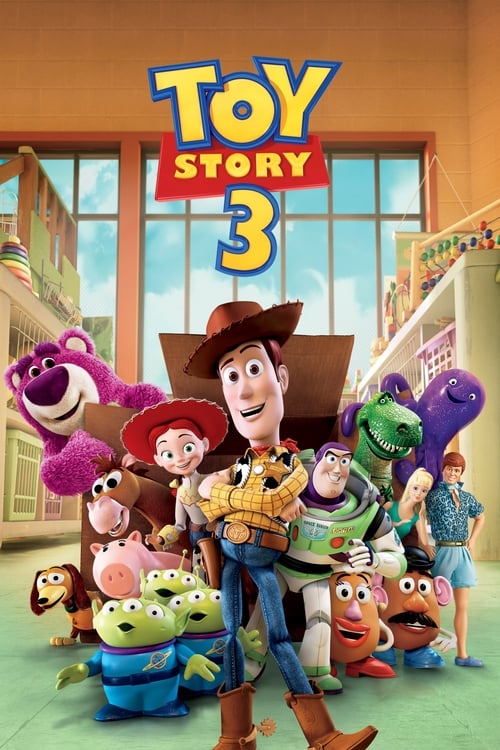
(2010)As Andy prepares to leave for college, Woody, Buzz, and the rest of the toys face an uncertain future. The story follows their efforts to stay together while wrestling with change, loyalty, and what it means to be loved when life moves on.
Toy Story 3 is warm, funny, and emotionally rich, but it is also more intense than many family films in its age range. Parents are most likely to notice the strong themes of abandonment and growing up, along with several scary or high-stakes moments.
Use the content rating for surface issues and the Christian guidance rating for the deeper conversations this story may open up.
Content Indicators

Reviewed 10 February 2026
Rachel focuses on animated films, family viewing habits, and helping parents spot worldview themes quickly.
Toy Story 3 Christian Movie Review (2010)
Guidance: Talk Together
Toy Story 3 is warm, funny, and emotionally rich, but it is also more intense than many family films in its age range. Parents are most likely to notice the strong themes of abandonment and growing up, along with several scary or high-stakes moments.
Why This Guidance Level
This film lands in the middle category because the main concern is not explicit content but emotional intensity and the questions it raises about identity, loss, loyalty, and growing up. Many families will find the content manageable, but the scarier moments and the film’s strong message about being valued and remembered make it worth talking through together.
Faith & Worldview Perspective
Toy Story 3 reflects several truths Christian families can appreciate: loyalty, self-giving friendship, courage under pressure, and staying faithful through change. The main tension is that the toys often speak as if their value depends on being wanted, played with, or kept, while Christian hope rests more deeply in belonging to God through Jesus Christ, not in usefulness or approval. Parents may want to discuss how love, purpose, and identity hold up when seasons change.
Truths Reflected
- Faithful friendship and sacrificial care for others are treated as good and noble.
- Perseverance, unity, and serving someone beyond yourself are honored.
Tensions to Discuss
- The story can encourage children to tie worth too closely to being useful, chosen, or emotionally needed.
- Loss and transition are handled tenderly, but the film’s deepest comfort is human attachment rather than hope in Christ.
Content & Discernment Markers
Occult & Spiritual Content
- Occult material does not stand out here. The fantasy element comes from toys being alive and talking, not from spells, spiritual practices, or supernatural teaching.
Sexuality & Relationships
- There is light flirting between toy characters, including awkward comic attraction and a few mild jokes. One noted example is Barbie complimenting Ken’s “ascot,” which plays as gentle innuendo rather than mature sexual content.
Identity Themes
- A major thread is the fear of becoming unwanted or forgotten. Woody tells the group, “this job isn’t about getting played with. It’s about… Being there for Andy,” while others worry, “We’re done! Finished! Over the hill!” Parents may want to discuss whether our value comes from usefulness or from being loved by God.
- The toys process change through the language of abandonment: “We’re getting thrown away?” and “We’re being abandoned!” The emotional weight is strong for a family film and may connect deeply with children who fear being left behind.
Violence & Intensity
- The opening sequence features Andy’s pretend play with train danger, laser fire, explosions, and comic threats such as “Buzz, shoot your laser at my badge” and “Woody, no. It’ll kill you.” The tone is playful, but it still includes action and peril.
- The film also includes scarier later sequences with sustained danger and frightening tension, including scenes many children may find upsetting. This is one reason the movie feels heavier than the earlier entries.
Language & Humour
- Language is mild and mostly tied to frustration or teasing. Parents may notice words and phrases such as “idiot,” “junk,” “trash,” and “shut up,” along with some sharp banter between the toys.
Other Content Notes
- The story’s emotional core is letting go. Andy’s move to college and the toys’ uncertainty create a steady sadness beneath the humor. Parents may want to talk about how Christians face change with gratitude and hope rather than fear alone.
- The film strongly celebrates teamwork and perseverance. Woody gathers the toys for a “staff meeting,” urges them to stay together, and keeps pointing them toward faithfulness rather than panic.
Notable Moments
- Purpose beyond play: Woody reframes the toys’ purpose away from immediate usefulness and toward faithful presence.
“this job isn’t about getting played with. It’s about… Being there for Andy.”
- Fear of abandonment: The toys openly panic over being discarded as Andy prepares for college.
“We’re getting thrown away?”
- Hope in staying together: Buzz tries to steady the group by focusing on unity in the middle of uncertainty.
“Well, whatever happens, at least we’ll all be together.”
Discussion Prompts
- Identity and worth: Why were the toys so afraid of not being played with anymore? How do people sometimes feel the same way?
- Biblical guidance: This is a good place to remind children that our worth does not come from being useful or admired but from being made by God and loved in Jesus Christ.
- Scripture: Psalm 139:13-14, Romans 5:8
- Faithfulness in changing seasons: What does Woody mean when he says their job is to be there for Andy? What does faithfulness look like when life changes?
- Biblical guidance: Scripture honors steadfast love and faithful presence, especially when circumstances shift.
- Scripture: Proverbs 17:17, 1 Corinthians 4:2
- Fear and reassurance: How did the toys respond when they thought they were being abandoned? Where do we turn when we feel afraid or forgotten?
- Biblical guidance: Children can be pointed to God’s care and the Christian hope that the Lord does not leave His people alone.
- Scripture: Isaiah 41:10, Hebrews 13:5
- Letting go well: Why is growing up both good and sad in this story? How can we thank God for a season even when it ends?
- Biblical guidance: The Bible teaches us to receive different seasons as part of life under God’s care, with gratitude and trust.
- Scripture: Ecclesiastes 3:1, Philippians 4:6-7
Common questions about Toy Story 3
- What age is Toy Story 3 suitable for?
- Toy Story 3 suits children of about 6 and older in most families. The main reason is violence and peril. The opening sequence features Andy's pretend play with train danger, laser fire, explosions, and comic threats such as "Buzz, shoot your laser at my badge" and "Woody, no.
- Is Toy Story 3 okay for a 4-year-old?
- Toy Story 3 is generally better suited to children of about 6 and up, so a 4-year-old may find parts of it a stretch. The opening sequence features Andy's pretend play with train danger, laser fire, explosions, and comic threats such as "Buzz, shoot your laser at my badge" and "Woody, no. Families whose children handle violence and peril well may still be comfortable watching together.
Age guidance is derived from this review's content findings and the film's official classifications. It is a starting point for your own judgement, not a rule.
Parent comments
Leave a comment on this review
Share a short note on Toy Story 3, or help other parents with discernment.
Submit will ask you to sign in first.
Weekend family picks
Get the short family movie list before the weekend
Example newsletter: 3 movies to watch this weekend with your family, plus one question to ask after the credits.
Sample: 3 movies to watch this weekend with your family
One cinema pick, one streaming pick, one conversation-starter pick.
Related Articles
A few bigger-picture reads for parents who want more context than a single review page can hold.

Animal Farm And Talking With Kids About Power, Truth, And Sin
Animal Farm can help older children see how slogans, fear, and corrupted authority distort truth, but parents should frame the story with a biblical view of sin.
Read article
5 Things To Notice In Kids Movies Before The Message Lands
A child can absorb a movie long before they can explain it. These five checkpoints help Christian parents notice what a film is training the heart to love, fear, excuse, or trust.
Read article
3 Family Movies To Watch With The Kids This Weekend
Three family movie options with quick Christian discernment notes, review links, and simple conversation prompts for parents.
Read articleMore Reviews




Official regional ratings
Local ratings remain available for reference, but LionLens separates those classifications from Christian family discernment.
Review Method
How this review was prepared
LionLens reviews are written with subtitle and dialogue evidence where available, official regional ratings data, source research, and final human editorial review before publication.