Human Reviewed
Parent feedback
60 families found this review helpful
Christian Movie Review
Toy Story 2 Christian Movie Review
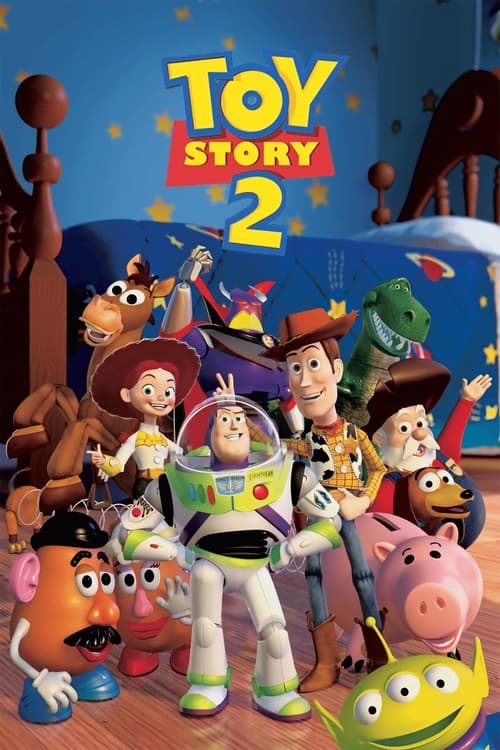
(1999)When Woody is taken by a toy collector, Buzz and the other toys set out on a rescue mission. Along the way, the story explores friendship, loyalty, fear of being replaced, and what gives a life meaning.
This is a warm, funny family adventure with mild peril and very light language, but its strongest material is emotional rather than scary. Parents may want to talk about belonging, being valued, and whether our worth comes from being admired or being loved.
Use the content rating for surface issues and the Christian guidance rating for the deeper conversations the story may open up.
Content Indicators

Reviewed 17 April 2026
Micah covers action, fantasy, and franchise releases, with close attention to violence, spiritual themes, and moral framing.
Toy Story 2 Christian Movie Review (1999)
Guidance: Talk Together
This is a warm, funny family adventure with mild peril and very light language, but its strongest material is emotional rather than scary. Parents may want to talk about belonging, being valued, and whether our worth comes from being admired or being loved.
Why This Guidance Level
Toy Story 2 stays gentle on surface content, but it gives families several meaningful themes to talk through. The biggest issues are emotional peril and the film’s questions about identity, worth, and what makes life meaningful. Those themes are handled with warmth and moral clarity, yet they still invite conversation about where lasting hope and value are found in Christ rather than in status, usefulness, or admiration.
Faith & Worldview Perspective
The film celebrates loyalty, courage, rescue, and loving commitment to others, and it treats selfishness and exploitation as wrong. Its deepest question is whether Woody should choose a life of admiration and preservation or return to the ordinary love of belonging to Andy. That tension can be fruitful for Christian families because it echoes a real question: do we find our identity in being prized by the world, or in faithful love and self-giving relationship? Parents may want to discuss how Christian hope in Jesus Christ gives a deeper answer than either fame or usefulness alone.
Truths Reflected
- Faithful love and sacrificial friendship matter more than comfort or status.
- The overlooked and broken still have value and deserve care.
Tensions to Discuss
- The story grounds a toy’s meaning mainly in being loved by an owner, which can open a helpful but incomplete conversation about human worth and identity before God.
- A sad line about being ‘one stitch away’ from the end leans toward despair, and Christian parents may want to contrast that with hope in Christ.
Content & Discernment Markers
Occult & Spiritual Content
- Occult material does not stand out here. The fantasy world is built around living toys and a sci-fi villain in a video game, not spiritual practice or supernatural teaching.
Sexuality & Relationships
- Very mild romantic play between Woody and Bo Peep includes affectionate teasing such as “You’re cute when you care” and “Bo, not in front of Buzz.” It stays light and childlike.
Identity Themes
- Woody’s identity crisis drives the story. He is torn between being a rare collectible and returning to Andy, while Bo reminds him, “Just the word ‘Andy.’ And the boy who wrote that would take you to camp with or without your hat.” Parents may want to discuss where we should root our worth and belonging.
- Wheezy’s sadness about being forgotten carries a heavier emotional note: he explains that he was put on a shelf and says, “What’s the point in prolonging the inevitable? We’re all just one stitch away from here to there.” This may be a good opening to talk about discouragement and the hope Christians have in Jesus Christ.
Violence & Intensity
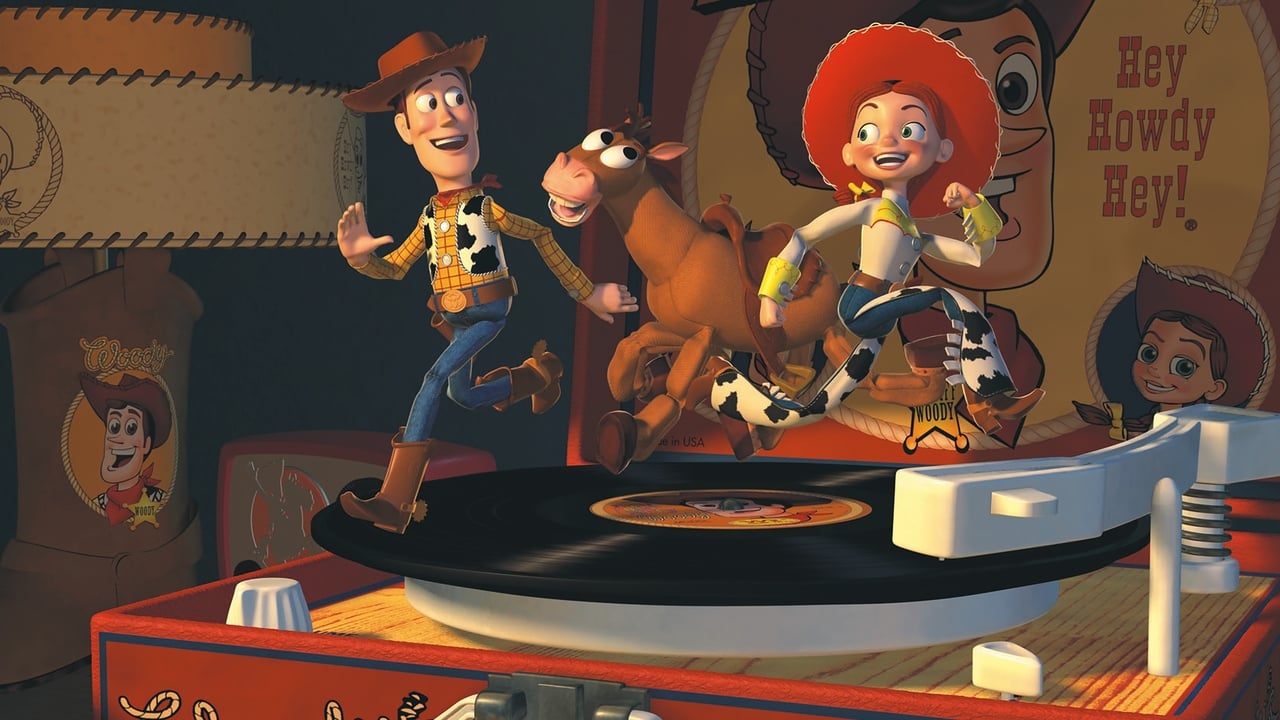
- The opening sequence is a stylized Buzz Lightyear video game mission with laser fire, Zurg, and Rex struggling to press the “fire” button while jumping. It is action-oriented rather than intense, but very young viewers may still notice the shooting imagery.
- Woody is taken during the yard sale, prompting alarm from the other toys: “He’s stealin’ Woody!” The kidnapping and rescue add suspense, though the tone remains family-friendly rather than frightening.
- There is recurring toy peril and slapstick danger, including Buster racing down the stairs, toys scrambling through the yard sale, and concern over Woody’s torn arm. Parents may want to talk with younger children about the difference between adventure tension and real-world danger.
Language & Humour
- Language is very mild. The sharpest lines are simple insults such as “idiot,” “shut up,” and “I despise that chicken,” used in comic frustration rather than harsh hostility.
Other Content Notes
- The emotional fear of being discarded is one of the film’s strongest elements. Woody hears, “I’m sorry, honey, but you know toys don’t last forever,” and later panics at the thought of being left behind. This matters for Christian families because children may connect it to fears of rejection or being replaced.
- There is a darkly comic line about toy safety when Woody tells the others to attend “Mr. Spell’s seminar on what to do if you or a part of you is swallowed.” It is played for humor, but it includes mild body-horror style imagery.
Notable Moments
- Opening video game battle: Rex plays a Buzz Lightyear game featuring Zurg, laser fire, and action peril before the film reveals it is only a game.
“I’m never gonna defeat Zurg!… I can’t press the “fire” button and jump at the same time!”
- Woody’s torn arm: A key emotional turning point comes when Andy sees Woody’s arm ripped and leaves him behind instead of taking him to camp.
“But, Mom, Woody’s arm ripped… No, just leave him.”
- Wheezy’s despair: Wheezy explains that he was never repaired and has been left on the shelf, giving the film one of its saddest moments.
“What’s the point in prolonging the inevitable? We’re all just one stitch away from here to there.”
- Yard sale rescue: Woody risks himself to save Wheezy from being sold, and the other toys realize he is acting out of loyalty rather than despair.
“It’s Wheezy!… Hey, it’s not suicide. It’s a rescue.”
Discussion Prompts
- Where does our worth come from?: Why was Woody tempted by being rare and admired, and why did belonging to Andy still matter more to him?
- Biblical guidance: Our value does not come from being impressive or collectible, but from being lovingly made and known by God.
- Scripture: Psalm 139:13-14, Luke 12:6-7
- Faithful friendship and rescue: What do Buzz and the other toys show about loyalty when Woody is taken?
- Biblical guidance: The film reflects the beauty of sacrificial friendship, which points toward the greater love Jesus Christ shows in laying down His life for His friends.
- Scripture: John 15:13, Proverbs 17:17
- Fear of being forgotten: How did Wheezy and Woody respond to feeling left behind, and what should we do when we feel unwanted or overlooked?
- Biblical guidance: Christians can bring those fears to God, who does not forget His people and offers hope when we feel cast aside.
- Scripture: Isaiah 49:15-16, 1 Peter 5:7
- Choosing love over status: Why is a life of love and service better than a life built only on being admired?
- Biblical guidance: Scripture teaches that greatness is found in humble love, not in status or applause.
- Scripture: Mark 8:36, Philippians 2:3-4
Common questions about Toy Story 2
- What age is Toy Story 2 suitable for?
- Toy Story 2 suits children of about 6 and older in most families. The main reason is violence and peril. The opening sequence is a stylized Buzz Lightyear video game mission with laser fire, Zurg, and Rex struggling to press the "fire" button while jumping.
- Is Toy Story 2 okay for a 4-year-old?
- Toy Story 2 is generally better suited to children of about 6 and up, so a 4-year-old may find parts of it a stretch. The opening sequence is a stylized Buzz Lightyear video game mission with laser fire, Zurg, and Rex struggling to press the "fire" button while jumping. Families whose children handle violence and peril well may still be comfortable watching together.
Age guidance is derived from this review's content findings and the film's official classifications. It is a starting point for your own judgement, not a rule.
Parent comments
Leave a comment on this review
Share a short note on Toy Story 2, or help other parents with discernment.
Submit will ask you to sign in first.
Weekend family picks
Get the short family movie list before the weekend
Example newsletter: 3 movies to watch this weekend with your family, plus one question to ask after the credits.
Sample: 3 movies to watch this weekend with your family
One cinema pick, one streaming pick, one conversation-starter pick.
Related Articles
A few bigger-picture reads for parents who want more context than a single review page can hold.

How To Talk With Kids About Magic, Fate, And Spiritual Themes In Movies
Many family movies use magic, destiny, spirits, or cosmic balance to drive the story. This article helps Christian parents respond without overreacting, while still drawing clear lines back to biblical truth.
Read article
Animal Farm And Talking With Kids About Power, Truth, And Sin
Animal Farm can help older children see how slogans, fear, and corrupted authority distort truth, but parents should frame the story with a biblical view of sin.
Read article
How To Talk After A Scary Scene Without Overreacting
Children do not always process fear while the movie is still playing. This guide helps parents respond calmly after intense or unsettling scenes and turn the moment into wise reassurance instead of panic.
Read articleMore Reviews



Official regional ratings
Local ratings remain available for reference, but LionLens separates those classifications from Christian family discernment.
Review Method
How this review was prepared
LionLens reviews are written with subtitle and dialogue evidence where available, official regional ratings data, source research, and final human editorial review before publication.