Human Reviewed
Parent feedback
52 families found this review helpful
Christian Movie Review
The Willoughbys Christian Movie Review
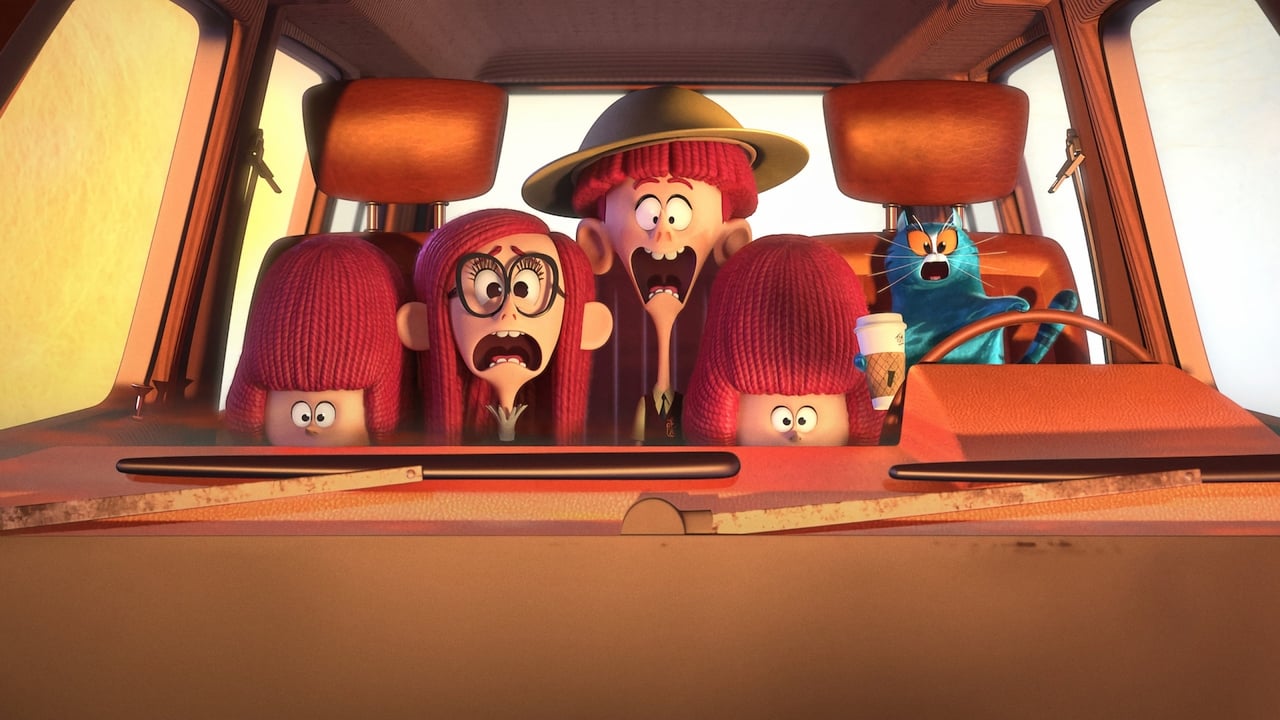
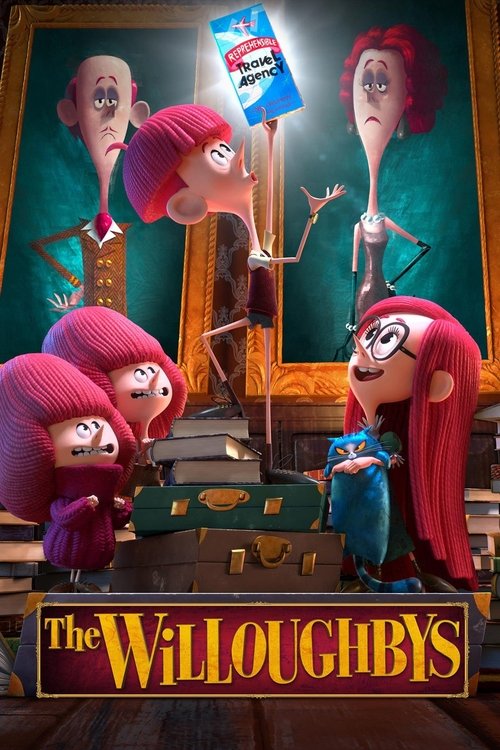
(2020)When the four Willoughby children are abandoned by their selfish parents, they must learn how to adapt their Old-Fashioned values to the contemporary world in order to create something new: The Modern Family.
This offbeat animated comedy uses dark humor to tell a story about deeply neglectful parents and children who long for real love and care. Its strongest concerns are emotional abuse, unsettling jokes about danger, and a worldview that treats the traditional family with irony before rebuilding the idea of family around love and sacrifice.
Start with the content rating, then use the Christian guidance rating to decide how much conversation your family may need.
Content Indicators

Reviewed 16 December 2025
Esther handles review quality, clarity, and the practical guidance families need after the credits roll.
The Willoughbys Christian Movie Review (2020)
Guidance: Talk Together
This offbeat animated comedy uses dark humor to tell a story about deeply neglectful parents and children who long for real love and care. Its strongest concerns are emotional abuse, unsettling jokes about danger, and a worldview that treats the traditional family with irony before rebuilding the idea of family around love and sacrifice.
Why This Guidance Level
The film stays within PG territory in surface content, but its tone is darker than many family animations. The main issue is not graphic material so much as the repeated emotional cruelty of the parents, the children’s plan to be rid of them, and the movie’s ironic treatment of family before it lands on a warmer found-family message. Many families may simply want conversation afterward about what real love, authority, and family responsibility look like in light of Christ.
Faith & Worldview Perspective
The film sharply contrasts a cold, selfish household with the kind of family life built on care, sacrifice, and belonging. That reflects a real truth: children need love, protection, and daily faithfulness, not just a family name. At the same time, the story uses mockery toward the biological family structure and places its hope mainly in self-made family bonds rather than in reconciliation, repentance, or hope in Jesus Christ. Parents may want to discuss how Scripture honors both the goodness of family and the call to love those who are not related by blood.
Truths Reflected
- Children are harmed by selfish, loveless parenting and need steady care.
- Love is shown through sacrifice, protection, and concern for others, not just words or status.
Tensions to Discuss
- The film may blur the difference between rejecting abusive behavior and dismissing family authority altogether; Christian parents may want to discuss how God condemns cruelty but still defines family as a place of covenant love and responsibility.
- Its hope rests mostly in human belonging and chosen family rather than redemption or hope in Christ.
Content & Discernment Markers
Occult & Spiritual Content
- Occult material does not stand out here. The talking-cat narrator and storybook surrealism create a fanciful tone, but the film is not centered on spiritual practice or supernatural teaching. Parents may simply want to note the detached, whimsical way the story is told.
Sexuality & Relationships
- There is no notable sexual content. The parents are shown as romantically absorbed in each other to the neglect of their children, which matters more as a picture of selfishness than sexuality.
Identity Themes
- The story questions whether family identity comes from legacy and bloodline or from love and care. That can open a helpful conversation about how our deepest identity is not in status or family name but in being made by God and, for believers, belonging to Jesus Christ.
Violence & Intensity
- Peril is mostly stylized and comic, but it includes scary talk that younger children may notice. The children discuss a beast with ‘teeth and claws’ and ‘huge piles of half-eaten kids,’ and one child nervously says, ‘Please don’t eat our faces.’ The tone is playful, yet the imagery is still unsettling for sensitive viewers.
- The story also includes suspense around dangerous situations and children imagining adults in harm’s way. It plays as exaggerated family-animation peril rather than realistic violence.
Language & Humour
- Language is generally mild. The sharper issue is rude humor and put-downs, including ‘creepy,’ ‘selfish boy,’ and repeated dismissive comments toward the children. There is also some oddball gross-out humor. Parents may want to discuss how words can wound even when a movie plays them for laughs.
Other Content Notes
- Emotional abuse and neglect are central to the story. Early on, the father says, ‘If you need love, I beg of you, find it elsewhere,’ and the parents refuse food, blame the children for their own hunger, and send Timothy away with ‘Go to the coal bin! Good day, sir.’ This is the film’s heaviest content and may hit hard for children who are sensitive to rejection. Parents may want to talk clearly about God’s care for children and what loving parenting should look like.
- The movie uses dark, subversive humor from the opening, directly telling viewers this is not a warm ‘happy family’ story. That tone is intentional and often funny, but it can also make serious family wounds feel flippant.
Notable Moments
- Loveless parenting established: The film quickly makes clear that the parents see their children as interruptions rather than gifts.
“If you need love, I beg of you, find it elsewhere.”
- Food withheld from children: A meal scene turns into a pointed example of neglect as the children ask for food and are blamed instead of fed.
“You call your mother names, and you expect us to feed you?”
- Coal bin punishment: Timothy is dismissed and sent away when he brings ordinary childlike needs to his parents.
“Go to the coal bin! Good day, sir.”
- Scary beast talk: The children work themselves into fear with exaggerated descriptions of a monster outside.
“Do you remember that book about beasts with all the drawings of teeth and claws and huge piles of half-eaten kids?”
Discussion Prompts
- What makes a real family?: What did this movie say a family is, and what do you think God says a family should be?
- Biblical guidance: Scripture shows that love, care, and faithfulness are central to family life, and parents are called to nurture children rather than wound them.
- Scripture: Ephesians 6:4, 1 Timothy 5:8, Psalm 127:3
- Responding to hurt without becoming hard: When the children were mistreated, which of their choices showed wisdom and which choices need careful discussion?
- Biblical guidance: God sees injustice, but He also calls us to pursue what is right with truth, wisdom, and love rather than letting pain define us.
- Scripture: Romans 12:17-21, Micah 6:8, James 1:19-20
- Words that wound: How did the parents’ words affect the children, and why do words matter so much?
- Biblical guidance: The Bible teaches that words can bring life or deep hurt, so Christians should notice when a film treats cruel speech as a joke.
- Scripture: Proverbs 18:21, Ephesians 4:29, Colossians 3:21
- Hope beyond broken homes: Did the movie offer enough hope for broken families, or is there a deeper hope we have in Jesus Christ?
- Biblical guidance: Human love matters, but Christian hope finally rests in Christ, who welcomes the lonely and heals what sin has broken.
- Scripture: Psalm 68:5-6, John 13:34-35, Revelation 21:4
Common questions about The Willoughbys
- What age is The Willoughbys suitable for?
- The Willoughbys suits children of about 8 and older in most families. That follows its official classification. It is rated PG in the US, New Zealand, the UK and Canada. Peril is mostly stylized and comic, but it includes scary talk that younger children may notice.
- Is The Willoughbys okay for a 6-year-old?
- The Willoughbys is generally better suited to children of about 8 and up, so a 6-year-old may find parts of it a stretch. It is rated PG in the US, New Zealand, the UK and Canada. Peril is mostly stylized and comic, but it includes scary talk that younger children may notice. Families comfortable watching a little above the classification together may still be fine with it.
Age guidance is derived from this review's content findings and the film's official classifications. It is a starting point for your own judgement, not a rule.
Parent comments
Leave a comment on this review
Share a short note on The Willoughbys, or help other parents with discernment.
Submit will ask you to sign in first.
Weekend family picks
Get the short family movie list before the weekend
Example newsletter: 3 movies to watch this weekend with your family, plus one question to ask after the credits.
Sample: 3 movies to watch this weekend with your family
One cinema pick, one streaming pick, one conversation-starter pick.
Related Articles
A few bigger-picture reads for parents who want more context than a single review page can hold.
Animal Farm And Talking With Kids About Power, Truth, And Sin
Animal Farm can help older children see how slogans, fear, and corrupted authority distort truth, but parents should frame the story with a biblical view of sin.
Read article
5 Things To Notice In Kids Movies Before The Message Lands
A child can absorb a movie long before they can explain it. These five checkpoints help Christian parents notice what a film is training the heart to love, fear, excuse, or trust.
Read article
How To Talk With Kids About Magic, Fate, And Spiritual Themes In Movies
Many family movies use magic, destiny, spirits, or cosmic balance to drive the story. This article helps Christian parents respond without overreacting, while still drawing clear lines back to biblical truth.
Read articleMore Reviews


Official regional ratings
Local ratings remain available for reference, but LionLens separates those classifications from Christian family discernment.
Review Method
How this review was prepared
LionLens reviews are written with subtitle and dialogue evidence where available, official regional ratings data, source research, and final human editorial review before publication.