
Human Reviewed
Parent feedback
28 families found this review helpful
Christian Movie Review
The Wild Robot Christian Movie Review
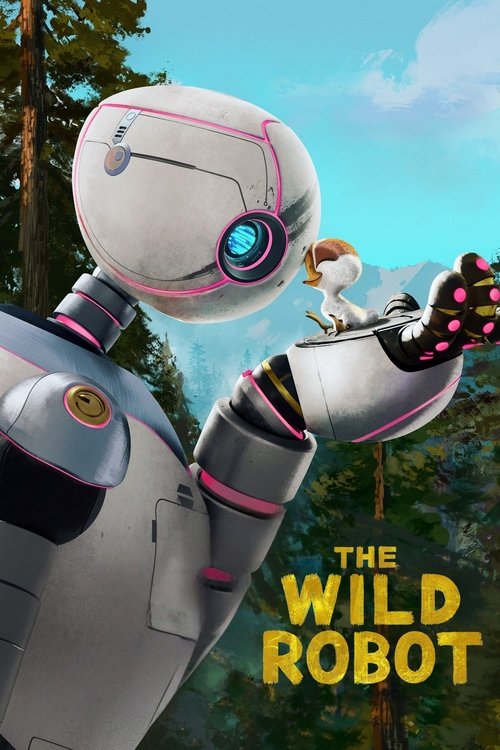
(2024)An animated adventure about a service robot named Rozzum 7134 who crashes on a wild island and tries to understand the animals around her. As she learns their language and adapts to life in nature, the story centers on survival, belonging, and caregiving.
This is a warm, thoughtful family film with strong themes of care, sacrifice, and found family, but it also includes repeated animal peril, death-related humor, and a worldview that treats motherhood and identity largely as something constructed through instinct and choice. Many families may find the surface content manageable while still wanting conversation about what makes someone a parent, a person, and a moral guide.
Use the content rating for what children will hear and feel, and the Christian guidance rating for what the story encourages them to believe and admire.
Content Indicators

Reviewed 1 November 2025
Rachel focuses on animated films, family viewing habits, and helping parents spot worldview themes quickly.
The Wild Robot Christian Movie Review (2024)
Guidance: Talk Together
This is a warm, thoughtful family film with strong themes of care, sacrifice, and found family, but it also includes repeated animal peril, death-related humor, and a worldview that treats motherhood and identity largely as something constructed through instinct and choice. Many families may find the surface content manageable while still wanting conversation about what makes someone a parent, a person, and a moral guide.
Why This Guidance Level
This lands in a middle category because the film’s surface content is fairly restrained for a PG family movie, but its emotional weight and worldview themes invite real conversation. The strongest issues are repeated peril and the way the story frames identity, parenthood, and belonging through instinct, choice, and community rather than clearly through God’s design and truth.
Faith & Worldview Perspective
The film values empathy, protection of the weak, and sacrificial care, which reflect truths Christians can appreciate. It also presents a moving picture of adoptive love and community responsibility. The tension is that personhood and motherhood are treated mainly as roles one grows into by effort and feeling, rather than gifts and callings grounded in the Creator. Christian families may want to discuss that love is more than programming or instinct, and that our deepest identity is not self-made but received from God in Christ.
Truths Reflected
- Care for the vulnerable is honorable and life-giving.
- Kindness, perseverance, and sacrificial love can build real community.
Tensions to Discuss
- The story leans toward identity and purpose being formed by adaptation and choice rather than by God’s design.
- It celebrates found family well, but without clarifying that human dignity and parenthood are ultimately grounded in the God who made us.
Content & Discernment Markers
Occult & Spiritual Content
- Occult material does not stand out here. The story uses science-fiction ideas about robotics, learning, and adaptation rather than magic, spellcasting, or spiritual practice.
Sexuality & Relationships
- Sexual content is not a meaningful issue in this film. Relationship material centers on caregiving, family bonds, and belonging rather than romance or sexualized humor.
Identity Themes
- Roz introduces herself with, “I am Rozzum 7134. A Rozzum always completes its task,” which sets up a major theme of identity as programming and function. As the story develops, that raises useful questions about whether love and duty come from design, choice, or something deeper. Parents may want to discuss how Scripture says our truest identity comes from being made by God, not merely from what we do.
- The film’s found-family and adoptive-parenting themes are tender and often beautiful, but they can blur the difference between a role someone takes on and the deeper biblical meaning of family, calling, and sacrificial love. This may conflict with a biblical view when identity is treated as self-constructed rather than received from God.
Violence & Intensity
- From the opening, animals panic and shout, “It’s a monster!” as Roz arrives in a storm and is treated as a threat. The film includes repeated chase-and-threat energy, with growling, screaming, and mob-like fear that may unsettle younger children.
- There are scenes of physical danger involving predators, rough animal behavior, and survival pressure. Even when played for humor, the world is harsh, and death is part of the conversation in a way parents may want to prepare sensitive children for.
- A wounded small creature is returned to safety while whimpering and crying, and the sequence mixes tenderness with distress. The emotional effect matters more than graphic detail. Parents may want to discuss compassion for the weak and how fear can shape first impressions.
Language & Humour
- Language is mild and mostly consists of insults or rude labels such as “monster” and “dummy.” There is also dark comic dialogue about illness and death, including children joking about “rabies,” “sepsis,” and “spontaneous combustion,” which some families may find more morbid than the rating suggests.
Other Content Notes
- The film includes darkly comic death humor when young characters pretend to be dying and are corrected with, “Dead things don’t have to explain why they’re dead.” The joke is brief, but it normalizes death talk in a playful way that may prompt follow-up with younger viewers.
- Fear of the outsider is a recurring thread as animals repeatedly call Roz a “monster” before learning who she is. This gives families a helpful opening to talk about prejudice, mercy, and wise discernment rather than panic.
Notable Moments
- Roz’s core identity: Roz defines herself by her programming and task-completion, which frames the film’s larger questions about purpose and personhood.
“I am Rozzum 7134. A Rozzum always completes its task.”
- Fear of the outsider: The island animals react to Roz with panic and suspicion, setting up the story’s conflict between fear and understanding.
“It’s a monster!”
- Dark death humor: A comic exchange among the opossums uses disease and death as a joke, which may catch some parents off guard in a family film.
“Dead things don’t have to explain why they’re dead.”
Discussion Prompts
- Identity and purpose: Roz says she is made to complete tasks. What do you think makes someone valuable: what they do, or who God says they are?
- Biblical guidance: Scripture teaches that our worth begins with being made by God, not with performance. In Jesus Christ, identity is received before it is achieved.
- Scripture: Genesis 1:27, Psalm 139:13-14, Ephesians 2:10
- Care for the vulnerable: What did the story show about caring for someone weak or helpless? Why does that matter to God?
- Biblical guidance: God calls His people to protect the weak and show practical compassion. Love is not just a feeling; it acts for another person’s good.
- Scripture: James 1:27, Philippians 2:4, 1 John 3:18
- Fear of outsiders: The animals quickly call Roz a monster. How can we be wise about danger without treating others unfairly?
- Biblical guidance: Christians are called to show mercy, avoid judging by appearances, and still practice discernment. Jesus Christ welcomed outsiders while never ignoring truth.
- Scripture: John 7:24, Luke 10:36-37, James 2:1-4
- Family, adoption, and belonging: What makes someone part of a family? How is chosen care similar to, and different from, God’s design for family?
- Biblical guidance: The Bible honors sacrificial care and also teaches that family is part of God’s good design. The gospel gives believers an even deeper picture of adoption through Christ.
- Scripture: Romans 8:15-17, Psalm 68:5-6, Ephesians 1:5
Common questions about The Wild Robot
- What age is The Wild Robot suitable for?
- The Wild Robot suits children of about 8 and older in most families. That follows its official classification. It is rated PG in Australia, the US, New Zealand and Canada, and U in the UK. From the opening, animals panic and shout, "It's a monster!"
- Is The Wild Robot okay for a 6-year-old?
- The Wild Robot is generally better suited to children of about 8 and up, so a 6-year-old may find parts of it a stretch. It is rated PG in Australia, the US, New Zealand and Canada, and U in the UK. From the opening, animals panic and shout, "It's a monster!" Families comfortable watching a little above the classification together may still be fine with it.
Age guidance is derived from this review's content findings and the film's official classifications. It is a starting point for your own judgement, not a rule.
Parent comments
Leave a comment on this review
Share a short note on The Wild Robot, or help other parents with discernment.
Submit will ask you to sign in first.
Weekend family picks
Get the short family movie list before the weekend
Example newsletter: 3 movies to watch this weekend with your family, plus one question to ask after the credits.
Sample: 3 movies to watch this weekend with your family
One cinema pick, one streaming pick, one conversation-starter pick.
Related Articles
A few bigger-picture reads for parents who want more context than a single review page can hold.
Animal Farm And Talking With Kids About Power, Truth, And Sin
Animal Farm can help older children see how slogans, fear, and corrupted authority distort truth, but parents should frame the story with a biblical view of sin.
Read article
5 Things To Notice In Kids Movies Before The Message Lands
A child can absorb a movie long before they can explain it. These five checkpoints help Christian parents notice what a film is training the heart to love, fear, excuse, or trust.
Read article
How To Talk With Kids About Magic, Fate, And Spiritual Themes In Movies
Many family movies use magic, destiny, spirits, or cosmic balance to drive the story. This article helps Christian parents respond without overreacting, while still drawing clear lines back to biblical truth.
Read articleMore Reviews


Official regional ratings
Local ratings remain available for reference, but LionLens separates those classifications from Christian family discernment.
Review Method
How this review was prepared
LionLens reviews are written with subtitle and dialogue evidence where available, official regional ratings data, source research, and final human editorial review before publication.