Human Reviewed
Parent feedback
55 families found this review helpful
Christian Movie Review
The Twits Christian Movie Review
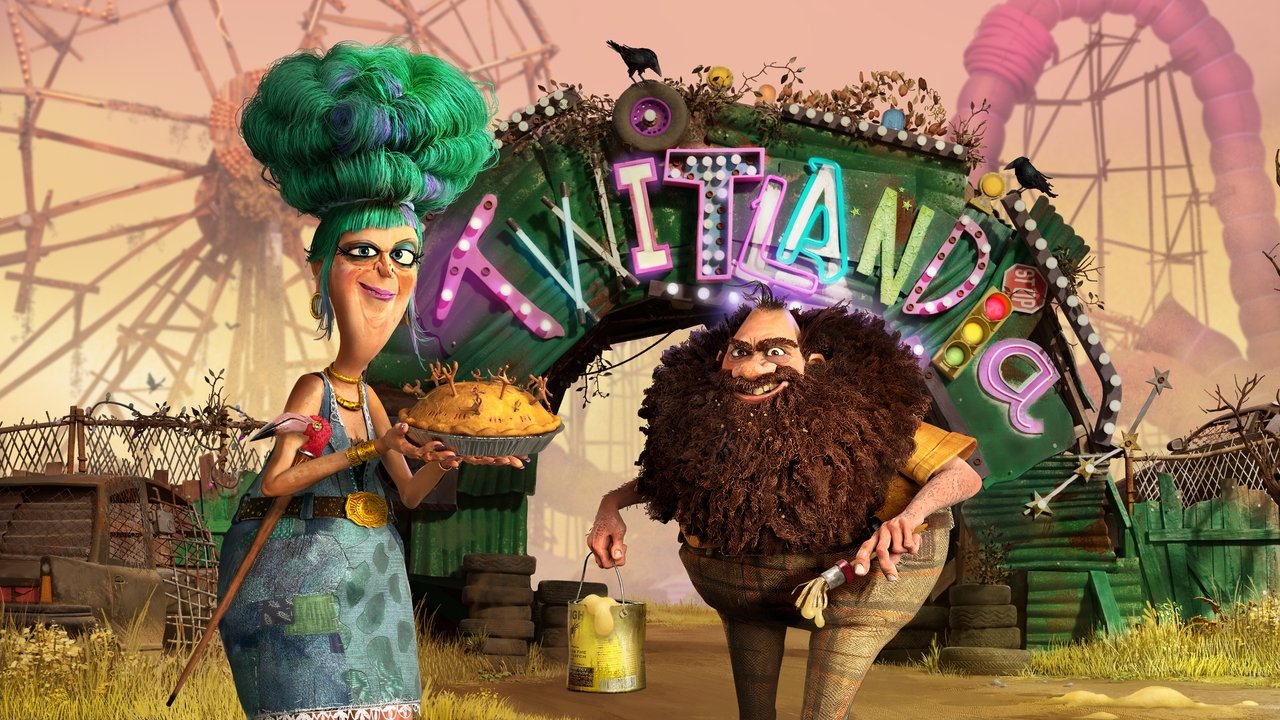
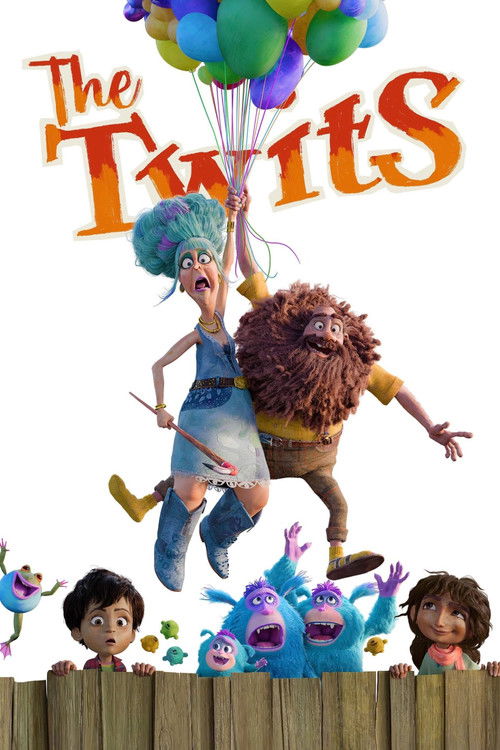
(2025)When the meanest, nastiest villains pull a trick to take over their town, two brave children team up with a family of magical animals to bring them down.
This animated Roald Dahl adaptation leans into mean-spirited comedy, child peril, and gross-out humor more than many families may expect from a PG title. Its strongest discussion points are cruelty treated as comedy, revenge-minded behavior, and a found-family message that can open good conversations about love, loyalty, and what makes a family.
Start with the content rating, then use the Christian guidance rating to decide how much conversation your family may need.
Content Indicators

Reviewed 20 April 2026
Esther handles review quality, clarity, and the practical guidance families need after the credits roll.
The Twits Christian Movie Review (2025)
Guidance: Talk Together
This animated Roald Dahl adaptation leans into mean-spirited comedy, child peril, and gross-out humor more than many families may expect from a PG title. Its strongest discussion points are cruelty treated as comedy, revenge-minded behavior, and a found-family message that can open good conversations about love, loyalty, and what makes a family.
Why This Guidance Level
The main concerns here are not explicit content so much as tone and message. The film includes repeated nasty tricks, moments of danger involving children, and broad gross-out comedy, all wrapped in a playful storybook style. For many families, that will place it in a middle category: not unusually heavy for older kids, but worth discussing because cruelty, revenge, and disorder are central to the humor.
Faith & Worldview Perspective
The film presents a world where cruelty, selfishness, and revenge make life ugly, while friendship, loyalty, and care for the vulnerable point toward something better. Its found-family thread can reflect the truth that love is shown in faithful care, though parents may want to discuss how that idea fits with God’s design for family rather than replacing it with a purely self-defined view. The story also treats magical animals and fantasy elements as part of its world, so parents may want to distinguish playful fantasy from the living hope and truth found in Jesus Christ.
Truths Reflected
- Cruelty harms people and relationships.
- Loyal friendship and sacrificial care matter deeply.
Tensions to Discuss
- The film’s revenge-minded energy may blur the difference between justice and payback, which Christians should measure against Christ’s call to mercy and righteousness.
- Its found-family message is warm and appealing, but a Christian parent may want to discuss how belonging is ultimately grounded in God’s love and design, not only personal preference.
Content & Discernment Markers
Occult & Spiritual Content
- Fantasy elements are present in the story frame, including a reference to ‘a family of magical animals.’ This appears to function as whimsical story-world material rather than spiritual instruction, but parents may still want to talk about the difference between fantasy creatures and real spiritual truth in Christ.
Sexuality & Relationships
- Relationship content does not stand out as a major issue in the film. The central marriage is portrayed as bitter and hostile, with the couple hating each other and constantly playing ‘mean, dirty’ tricks, which may be more relevant for discussion than any romantic content.
Identity Themes
- The story highlights an orphaned child and a close friendship that carries emotional weight. That can open a thoughtful conversation about belonging, adoption, and how God cares for the lonely and vulnerable.
Violence & Intensity
- The opening plays physical chaos for laughs, with struggling, crashing, screaming, and the line, ‘And this is how they were left for dead.’ The tone is theatrical rather than realistic, but the phrase itself is strong enough that some younger children may find it jarring.
- The Twits are described as spending years on ‘mean, dirty’ tricks, and the story builds toward ‘their dirtiest trick yet.’ The emphasis is less on graphic injury and more on malicious behavior and comic peril. Parents may want to discuss why delighting in harm is different from healthy humor.
Language & Humour
- Language is mostly mild, but the humor is often crude and silly. Dialogue includes an unfinished ‘What the…,’ insults like ‘horrifying and lame,’ and repeated gross-out jokes about toilets, bad smells, and a potato shot from a nose into milk.
Other Content Notes
- Gross-out comedy is a clear feature of the film. Twitlandia is introduced with ‘rides made out of toilets,’ and the city condemns it as ‘stinking of rancid hot dog meat.’ The humor aims for lowbrow laughs, which some children will find funny and others may find unpleasant.
- The bedtime-story framing is self-aware and playful, with a child asking for ‘highbrow themes and lowbrow comedy.’ That framing helps signal the movie’s exaggerated tone, but it also confirms that the film intentionally mixes emotional themes with crude humor.
Notable Moments
- Story opens with peril: The bedtime story begins with the Twits in comic chaos before the narrator says they were ‘left for dead,’ which sets a darker-than-expected tone for a family film.
“And this is how they were left for dead.”
- Cruel marriage dynamic: The narrator describes the Twits as hating everything, especially each other, and says their marriage has been marked by constant nasty tricks.
“No, the Twits hate everything, especially each other. They’ve been married for 47 miserable years.”
- Potty-style amusement park humor: A musical introduction to Twitlandia highlights toilet-based attractions and lowbrow comedy.
“There’s a song / And dance extravaganza / And rides made out of toilets”
- Revenge setup: After the city shuts down Twitlandia, the story points toward a retaliatory prank against the city.
“A prank that will condemn the city the way the city condemned Twitlandia.”
Discussion Prompts
- Cruelty as comedy: Why do you think the movie makes the Twits’ nasty tricks seem funny at times? When does joking cross into sin because it enjoys hurting someone?
- Biblical guidance: Scripture warns against delighting in evil and calls us to kindness instead of cruelty.
- Scripture: Ephesians 4:29-32, Proverbs 24:17, 1 Corinthians 13:6
- Revenge or justice: When someone wrongs us, what is the difference between making things right and getting even?
- Biblical guidance: Christians are called away from personal vengeance and toward justice, mercy, and trust in God.
- Scripture: Romans 12:17-21, Micah 6:8, Matthew 5:44
- What makes a family: The story values friendship and chosen loyalty. How does that connect with the Bible’s teaching that God places the lonely in families and adopts believers through Christ?
- Biblical guidance: The Bible honors care, belonging, and adoption, while rooting family identity in God’s love and covenant faithfulness.
- Scripture: Psalm 68:5-6, Romans 8:15-17, James 1:27
- Fantasy and truth: How can we enjoy an imaginative story with magical creatures without confusing fantasy with what is spiritually true?
- Biblical guidance: Stories can use fantasy, but Christian hope and spiritual truth are grounded in the real person and work of Jesus Christ.
- Scripture: Philippians 4:8, Colossians 2:8, John 14:6
Common questions about The Twits
- What age is The Twits suitable for?
- The Twits suits children of about 8 and older in most families. That follows its official classification. It is rated PG in Australia, the US, New Zealand, the UK and Canada. The opening plays physical chaos for laughs, with struggling, crashing, screaming, and the line, 'And this is how they were left for dead.'
- Is The Twits okay for a 6-year-old?
- The Twits is generally better suited to children of about 8 and up, so a 6-year-old may find parts of it a stretch. It is rated PG in Australia, the US, New Zealand, the UK and Canada. The opening plays physical chaos for laughs, with struggling, crashing, screaming, and the line, 'And this is how they were left for dead.' Families comfortable watching a little above the classification together may still be fine with it.
Age guidance is derived from this review's content findings and the film's official classifications. It is a starting point for your own judgement, not a rule.
Parent comments
Leave a comment on this review
Share a short note on The Twits, or help other parents with discernment.
Submit will ask you to sign in first.
Weekend family picks
Get the short family movie list before the weekend
Example newsletter: 3 movies to watch this weekend with your family, plus one question to ask after the credits.
Sample: 3 movies to watch this weekend with your family
One cinema pick, one streaming pick, one conversation-starter pick.
Related Articles
A few bigger-picture reads for parents who want more context than a single review page can hold.

How To Talk With Kids About Magic, Fate, And Spiritual Themes In Movies
Many family movies use magic, destiny, spirits, or cosmic balance to drive the story. This article helps Christian parents respond without overreacting, while still drawing clear lines back to biblical truth.
Read article
How To Talk With Kids About Dragon magic In Family Movies
A parent-friendly guide to discussing dragon magic in family movies through a Christian lens.
Read article
How To Talk With Kids About Mild fantasy peril In Family Movies
A parent-friendly guide to discussing mild fantasy peril in family movies through a Christian lens.
Read articleMore Reviews

Official regional ratings
Local ratings remain available for reference, but LionLens separates those classifications from Christian family discernment.
Review Method
How this review was prepared
LionLens reviews are written with subtitle and dialogue evidence where available, official regional ratings data, source research, and final human editorial review before publication.