Human Reviewed
Parent feedback
31 families found this review helpful
Christian Movie Review
The SpongeBob Movie: Search for SquarePants Christian Movie Review
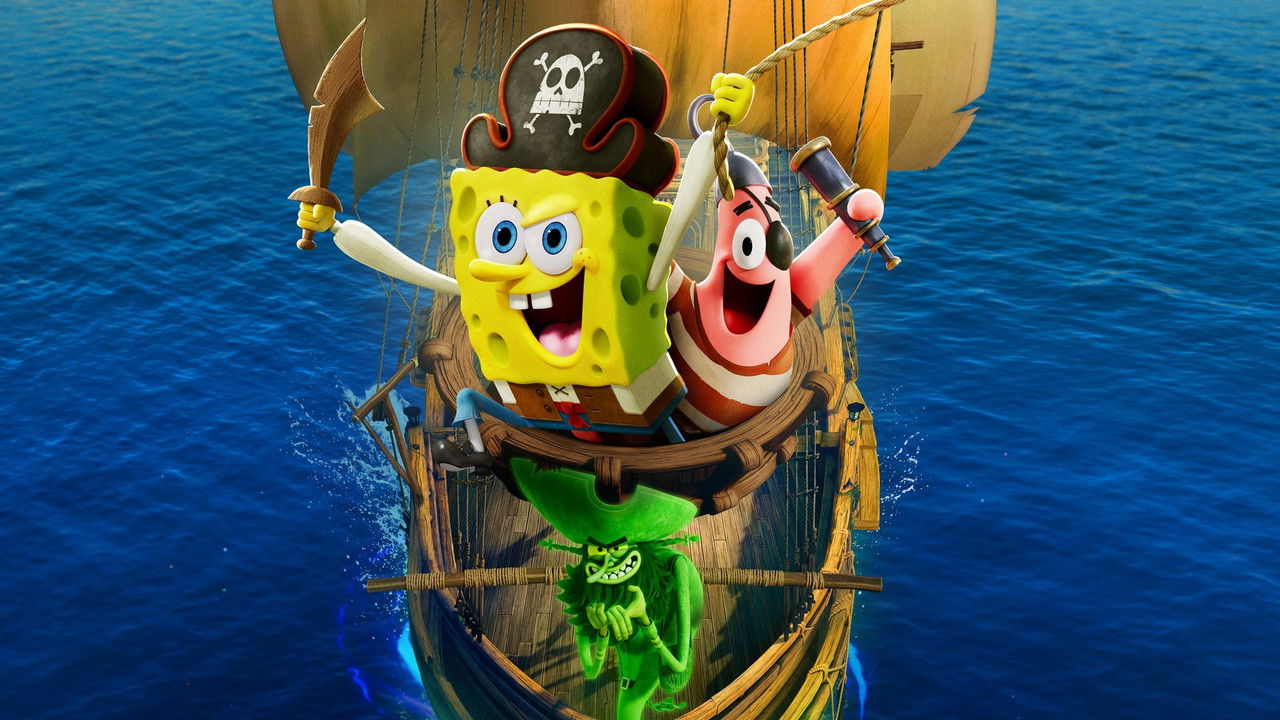
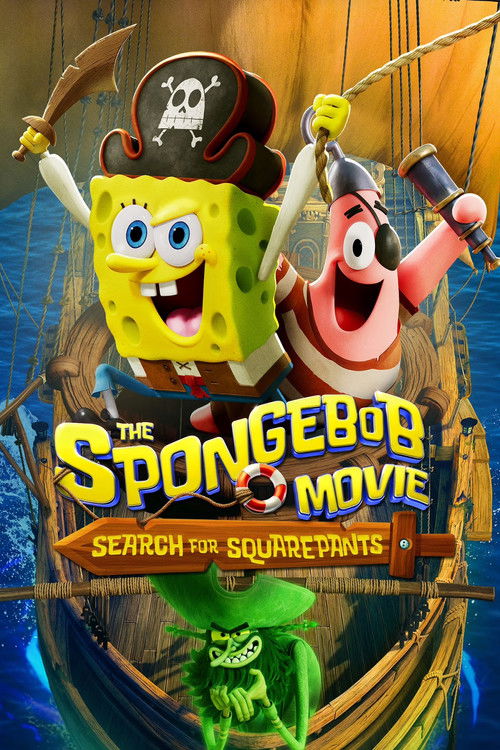
(2025)This animated SpongeBob adventure follows SpongeBob as he tries to prove he is finally a "big guy," while a pirate-themed quest involving the Flying Dutchman brings comedy, peril, and supernatural elements into the story. The tone mixes goofy humor, songs, and slapstick with moments of spooky tension.
For most families, the main concerns are mild threat, rude humor, and the film's supernatural pirate-curse framework. The bigger conversation point is the movie's message about courage, identity, and proving yourself.
Use the content rating for surface issues and the Christian guidance rating for the movie's deeper messages.
Content Indicators

Reviewed 17 December 2025
Esther handles review quality, clarity, and the practical guidance families need after the credits roll.
The SpongeBob Movie: Search for SquarePants Christian Movie Review (2025)
Guidance: Talk Together
For most families, the main concerns are mild threat, rude humor, and the film’s supernatural pirate-curse framework. The bigger conversation point is the movie’s message about courage, identity, and proving yourself.
Why This Guidance Level
This lands in the middle range because the surface content is fairly mild for a family adventure, but the movie gives parents several worthwhile discussion points: a ghostly curse, spooky pirate mythology, and a repeated push toward finding identity through being bigger, braver, and more impressive. That combination makes conversation more important than the content level alone might suggest.
Faith & Worldview Perspective
The story reflects real longings for courage, friendship, and growth, but it also ties identity closely to status and self-confidence. SpongeBob’s excitement over becoming a “big guy” shows how easily worth can be measured by appearance or approval instead of by character. The Flying Dutchman material treats curse-based supernatural power as fantasy adventure, which may be lighthearted in tone but still gives families a chance to contrast ghostly folklore with the truth that fear and hope are ultimately answered in Jesus Christ, not in magic, innocence, or legend. Parents may want to discuss where true courage and identity come from.
Truths Reflected
- Friendship and loyalty matter.
- Fear does not have to control a person.
Tensions to Discuss
- The film can suggest that being ‘enough’ comes from self-belief and proving yourself rather than receiving identity from God.
- A curse-and-ghost framework presents spiritual power through fantasy mythology rather than pointing to Christian hope in Christ.
Content & Discernment Markers
Occult & Spiritual Content
- The opening frames the Flying Dutchman through dark fantasy language: “one unlucky sailor fell under an ancient wicked curse,” and “the only way to lift his curse is through the pure heart of an innocent.” Thunder, mysterious music, and wicked laughter give the ghost-pirate setup a stronger supernatural feel than ordinary pirate comedy. Parents may want to discuss the difference between playful fantasy and real spiritual truth centered on Jesus Christ.
Sexuality & Relationships
- Sexual content does not stand out in the film. The focus is on comedy, friendship, and adventure rather than romance.
Identity Themes
- A major thread centers on SpongeBob believing that growing to “36 clams high” means “everything” has changed and that others will finally see him differently. The repeated “big guy” language turns maturity and worth into something measured by size, status, and recognition. Christian families may want to talk about finding identity in who God says we are, not in image or approval.
Violence & Intensity
- A roller-coaster sequence includes intense screaming, thunder, tense music, an explosion sound, and frantic chaos before the scene returns to comedy. The action is stylized and cartoonish, but younger children may still feel the sudden intensity.
Language & Humour
- Language is mostly mild and teasing, including “big dummy” and “squirt.” Humor also includes childish body-style phrasing such as “half a barnacle” and broad comic banter built around embarrassment and put-downs that parents may want to note.
Other Content Notes
- The movie uses a lot of exaggerated silliness and loud comic energy, including songs, shouting, and rapid mood shifts from spooky tension to jokes. For some children, that tonal swing may matter more than any single content item.
Notable Moments
- Flying Dutchman curse: The opening introduces the ghost pirate with ominous narration, thunder, and a curse that can only be lifted by “the pure heart of an innocent.”
“one unlucky sailor fell under an ancient wicked curse”
- Big guy identity push: SpongeBob celebrates reaching “36 clams high” and treats the change as proof that his whole life is about to change.
“Because now… I’m a big guy.”
- Roller-coaster fear: A loud amusement-park sequence turns chaotic with screaming, thunder, and explosion sounds, then reveals SpongeBob’s fear and insecurity.
“Patrick?”
Discussion Prompts
- Identity and worth: Why did being a “big guy” matter so much to SpongeBob? What are some ways people try to prove they matter?
- Biblical guidance: Scripture teaches that our value comes from being made by God, not from size, image, or other people’s approval.
- Scripture: Psalm 139:13-14, Galatians 1:10
- Courage and fear: What is the difference between real courage and pretending not to be afraid?
- Biblical guidance: Biblical courage is not boastfulness; it is trusting God when we feel weak or afraid.
- Scripture: Joshua 1:9, 2 Timothy 1:7
- Supernatural stories and truth: How does the movie use curses, ghosts, and spooky legends? How is that different from what Christians believe about spiritual reality and hope in Christ?
- Biblical guidance: Families can contrast fantasy ghost stories with the truth that Jesus Christ is Lord over fear, evil, and death.
- Scripture: Colossians 2:15, 1 John 4:4
- Words and humor: Were any jokes or insults funny but still unkind? How should Christians speak to others when joking around?
- Biblical guidance: God calls us to use words that build up rather than tear down, even in playful settings.
- Scripture: Ephesians 4:29, Proverbs 18:21
Common questions about The SpongeBob Movie: Search for SquarePants
- What age is The SpongeBob Movie: Search for SquarePants suitable for?
- The SpongeBob Movie: Search for SquarePants suits children of about 8 and older in most families. That follows its official classification. It is rated PG in Australia, the US, New Zealand and the UK, and G in Canada. A roller-coaster sequence includes intense screaming, thunder, tense music, an explosion sound, and frantic chaos before the scene returns to comedy. Younger viewers may still enjoy it alongside a parent, and it raises worldview questions worth talking through afterwards.
- Is The SpongeBob Movie: Search for SquarePants okay for a 6-year-old?
- The SpongeBob Movie: Search for SquarePants is generally better suited to children of about 8 and up, so a 6-year-old may find parts of it a stretch. It is rated PG in Australia, the US, New Zealand and the UK, and G in Canada. A roller-coaster sequence includes intense screaming, thunder, tense music, an explosion sound, and frantic chaos before the scene returns to comedy. Families comfortable watching a little above the classification together may still be fine with it.
Age guidance is derived from this review's content findings and the film's official classifications. It is a starting point for your own judgement, not a rule.
Parent comments
Leave a comment on this review
Share a short note on The SpongeBob Movie: Search for SquarePants, or help other parents with discernment.
Submit will ask you to sign in first.
Weekend family picks
Get the short family movie list before the weekend
Example newsletter: 3 movies to watch this weekend with your family, plus one question to ask after the credits.
Sample: 3 movies to watch this weekend with your family
One cinema pick, one streaming pick, one conversation-starter pick.
Related Articles
A few bigger-picture reads for parents who want more context than a single review page can hold.
Animal Farm And Talking With Kids About Power, Truth, And Sin
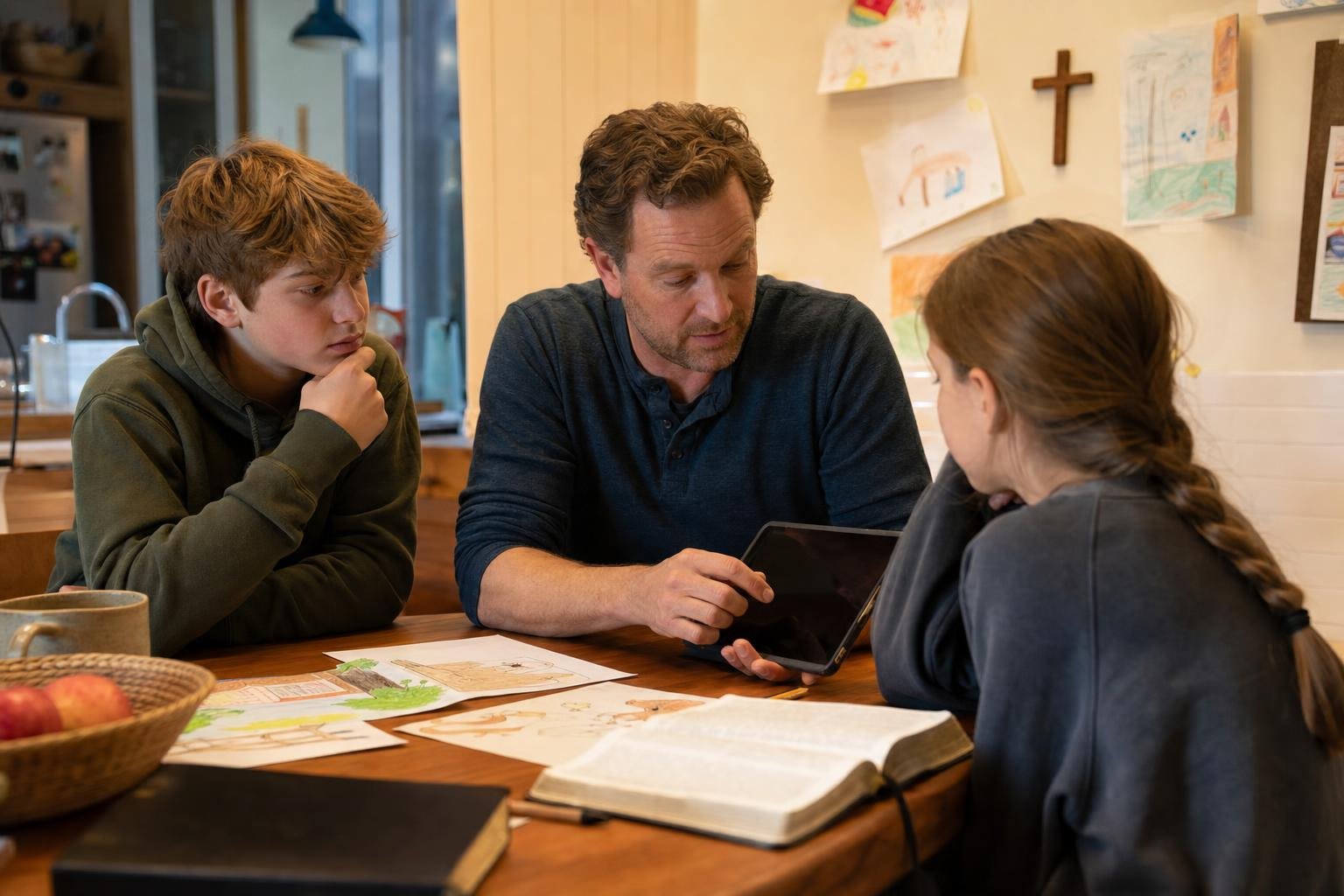
Animal Farm can help older children see how slogans, fear, and corrupted authority distort truth, but parents should frame the story with a biblical view of sin.
Read article
Disney And Pixar Films For Christian Families: Why They Still Need Discernment
Disney and Pixar films often feel safer than they really are. This guide helps Christian parents notice the spiritual assumptions, emotional messages, and identity themes that can slip past a quick first impression.
Read article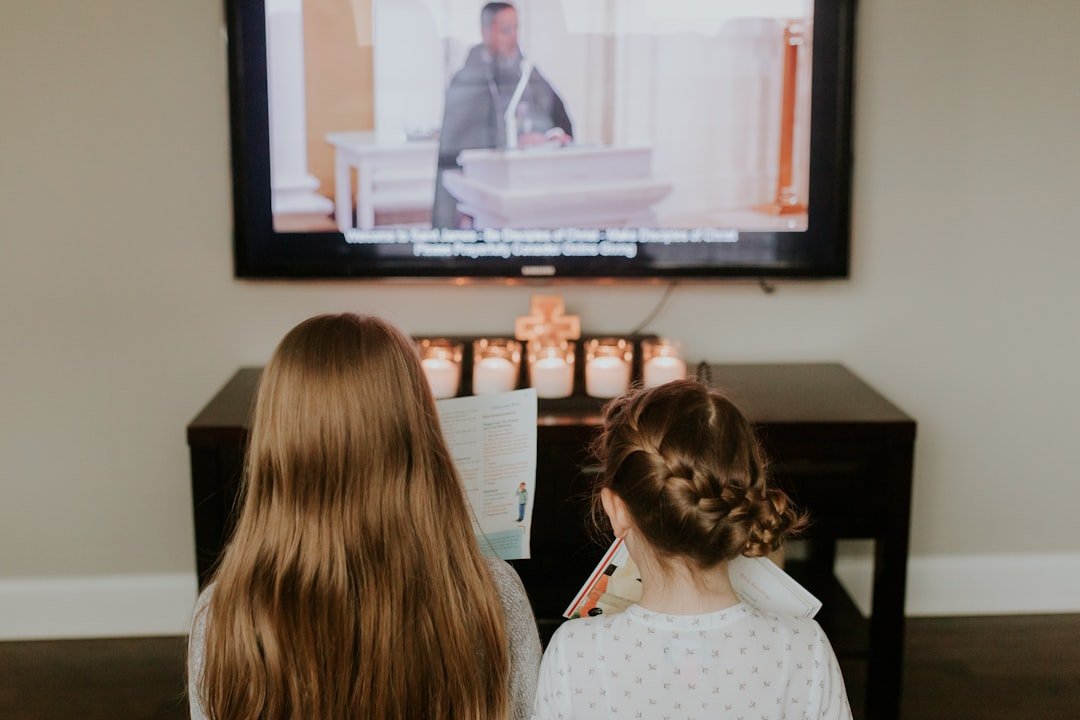
5 Things To Notice In Kids Movies Before The Message Lands
A child can absorb a movie long before they can explain it. These five checkpoints help Christian parents notice what a film is training the heart to love, fear, excuse, or trust.
Read articleMore Reviews


Official regional ratings
Local ratings remain available for reference, but LionLens separates those classifications from Christian family discernment.
Review Method
How this review was prepared
LionLens reviews are written with subtitle and dialogue evidence where available, official regional ratings data, source research, and final human editorial review before publication.