
Human Reviewed
Parent feedback
61 families found this review helpful
Christian Movie Review
The Sound of Music Christian Movie Review
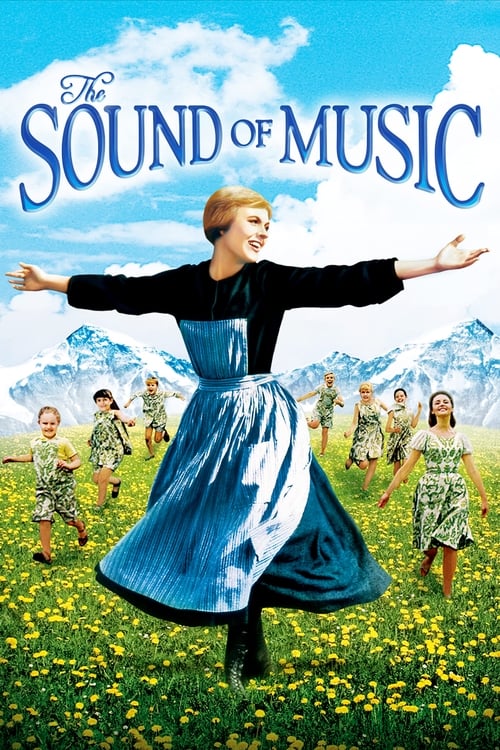
(1965)A young woman leaves an abbey to serve as governess for the seven children of a widowed naval captain in Austria. The story follows her efforts to bring music, warmth, and order into the household as the family faces romance, conflict, and the rise of Nazi rule.
This is a gentle family classic with very light surface concerns and a much stronger emphasis on music, courage, and family life. Christian families may want to note the spiritual language around vocation and the wartime Nazi material near the end.
Use the content rating for the mild surface issues and the Christian guidance rating for the film’s deeper messages about calling, authority, and courage.
Content Indicators

Reviewed 10 May 2026
Esther handles review quality, clarity, and the practical guidance families need after the credits roll.
The Sound of Music Christian Movie Review (1965)
Guidance: Talk Together
This is a gentle family classic with very light surface concerns and a much stronger emphasis on music, courage, and family life. Christian families may want to note the spiritual language around vocation and the wartime Nazi material near the end.
Why This Guidance Level
This is a broadly gentle classic with very little surface content that would trouble most families. The main reasons for any discernment are the wartime Nazi material near the end and the film’s stronger moral and spiritual framing around vocation, obedience, and courage, which can prompt good family conversation without making the movie a major concern.
Faith & Worldview Perspective
The film presents a hopeful view of family life, courage, and moral responsibility. It honors sacrifice, kindness, and standing against evil, while also rooting Maria’s calling in prayer and the search for God’s will. Parents may want to discuss how those themes connect to following Jesus Christ rather than simply following personal feelings.
Truths Reflected
- Courage and sacrifice matter when evil threatens a family or nation.
- Gentleness, discipline, and love can help a household flourish.
Tensions to Discuss
- The film treats spiritual discernment through an abbey framework that is not centered on Jesus Christ.
- It can present personal calling and inner conviction in a way that may need biblical grounding about obedience to God.
Content & Discernment Markers
Occult & Spiritual Content
- Occult material does not stand out here. The spiritual language is centered on prayer, the abbey, and seeking God’s will, especially in Maria’s conversation with the Reverend Mother: “What is the most important lesson you have learned here? To find out what is the will of God and do it wholeheartedly.” Parents may want to discuss how Christians discern God’s will through Scripture and prayer in Christ.
Sexuality & Relationships
- Romance stays restrained and affectionate. The story includes a tender kiss, dancing, jealousy, broken engagements, and marriage, but the relationships remain clean and non-explicit.
Identity Themes
- Maria’s identity is shaped by calling, courage, and learning where she belongs. Her songs and dialogue about fear, confidence, and God’s will make this a strong theme of personal vocation, and parents may want to discuss the difference between self-confidence and trust in God.
Violence & Intensity
- The final act brings real wartime tension as soldiers search for the family, flashlights sweep the abbey in the dark, and one character is held at gunpoint during the escape. The danger is not graphic, but it is the film’s heaviest stretch and matters for younger children.
Language & Humour
- The language is mild and mostly playful, with teasing labels like “flibbertigibbet,” “will-o’-the-wisp,” “clown,” “demon,” and “headache.” The Nazi-era “Heil Hitler” references are more historically charged than profane, but they still deserve a parent’s attention.
Other Content Notes
- A few social scenes include wine and champagne, and the film’s wartime setting brings political pressure and fear. These elements stay limited, but they give the story a more serious edge near the end.
Notable Moments
- Abbey discernment: Maria is told to leave the abbey for a time after the Reverend Mother speaks about God’s will and her readiness for the world.
“To find out what is the will of God and do it wholeheartedly.”
- Playful sister song: The nuns describe Maria with affectionate teasing rather than cruelty, giving the film its light comic tone.
“How do you solve a problem like Maria?”
- Wartime escape: The family faces soldiers and a gunpoint confrontation as they flee Austria, making the ending the film’s most intense stretch.
“One character holds another at gunpoint.”
Discussion Prompts
- Calling and obedience: What does it mean to seek God’s will with a whole heart, and how is that different from just following your own feelings?
- Biblical guidance: The film’s language about vocation can open a conversation about listening to God with humility and obedience.
- Scripture: Romans 12:1-2, Proverbs 3:5-6
- Courage under pressure: Why is it hard to stand firm when fear or authority pushes back, and what does Christian courage look like?
- Biblical guidance: The family’s resistance to evil gives a chance to talk about courage that is rooted in truth and trust in God.
- Scripture: Joshua 1:9, Ephesians 6:10-11
- Family and discipline: How do gentleness and discipline work together in a healthy home?
- Biblical guidance: The movie shows that warmth and structure can help children flourish, which fits well with biblical wisdom about loving guidance.
- Scripture: Ephesians 6:4, Colossians 3:21
Common questions about The Sound of Music
- What age is The Sound of Music suitable for?
- The Sound of Music suits children of about 6 and older in most families. The main reason is violence and peril. The final act brings real wartime tension as soldiers search for the family, flashlights sweep the abbey in the dark, and one character is held at gunpoint during the escape.
- Is The Sound of Music okay for a 4-year-old?
- The Sound of Music is generally better suited to children of about 6 and up, so a 4-year-old may find parts of it a stretch. The final act brings real wartime tension as soldiers search for the family, flashlights sweep the abbey in the dark, and one character is held at gunpoint during the escape. Families whose children handle violence and peril well may still be comfortable watching together.
Age guidance is derived from this review's content findings and the film's official classifications. It is a starting point for your own judgement, not a rule.
Parent comments
Leave a comment on this review
Share a short note on The Sound of Music, or help other parents with discernment.
Submit will ask you to sign in first.
Weekend family picks
Get the short family movie list before the weekend
Example newsletter: 3 movies to watch this weekend with your family, plus one question to ask after the credits.
Sample: 3 movies to watch this weekend with your family
One cinema pick, one streaming pick, one conversation-starter pick.
Related Articles
A few bigger-picture reads for parents who want more context than a single review page can hold.
Animal Farm And Talking With Kids About Power, Truth, And Sin
Animal Farm can help older children see how slogans, fear, and corrupted authority distort truth, but parents should frame the story with a biblical view of sin.
Read article
5 Things To Notice In Kids Movies Before The Message Lands
A child can absorb a movie long before they can explain it. These five checkpoints help Christian parents notice what a film is training the heart to love, fear, excuse, or trust.
Read article
Why A Clean Movie Can Still Need A Christian Conversation
Sometimes the hardest films to evaluate are not the obviously rough ones, but the polished and emotionally appealing movies that carry deeper assumptions quietly. This article explains why.
Read articleMore Reviews




Official regional ratings
Local ratings remain available for reference, but LionLens separates those classifications from Christian family discernment.
Review Method
How this review was prepared
LionLens reviews are written with subtitle and dialogue evidence where available, official regional ratings data, source research, and final human editorial review before publication.