Human Reviewed
Parent feedback
20 families found this review helpful
Christian Movie Review
The Son of Bigfoot Christian Movie Review
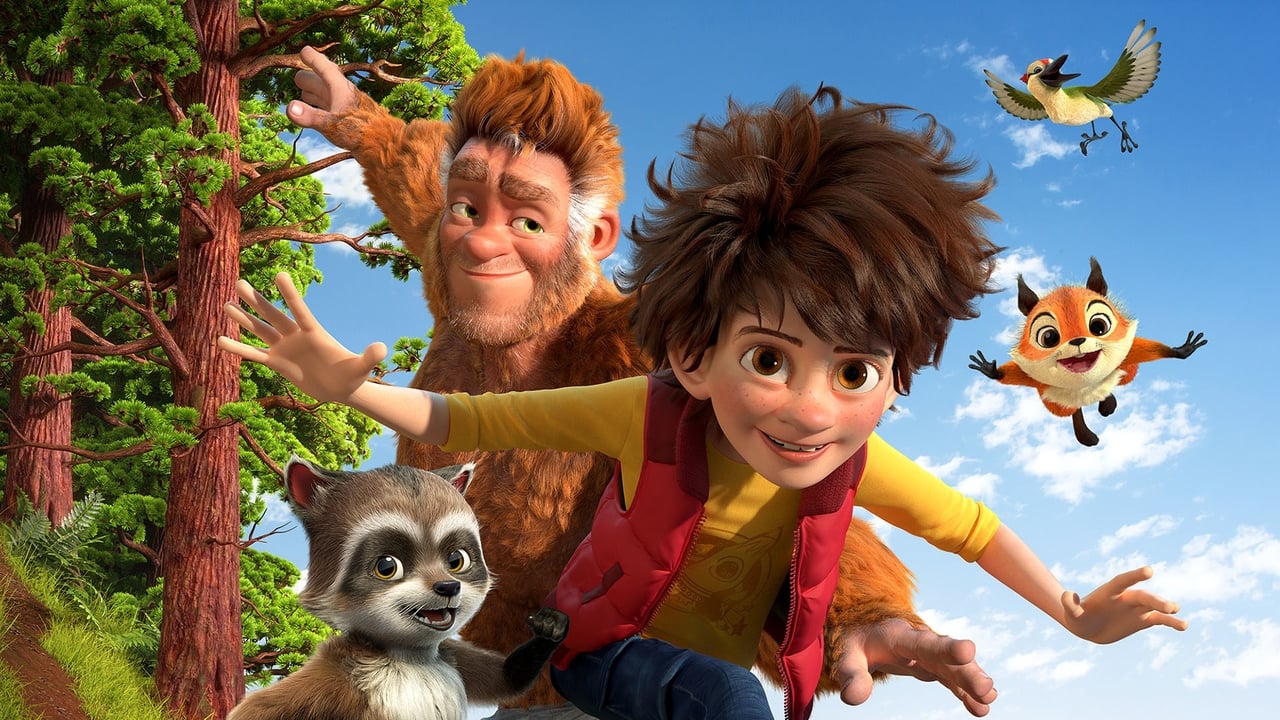
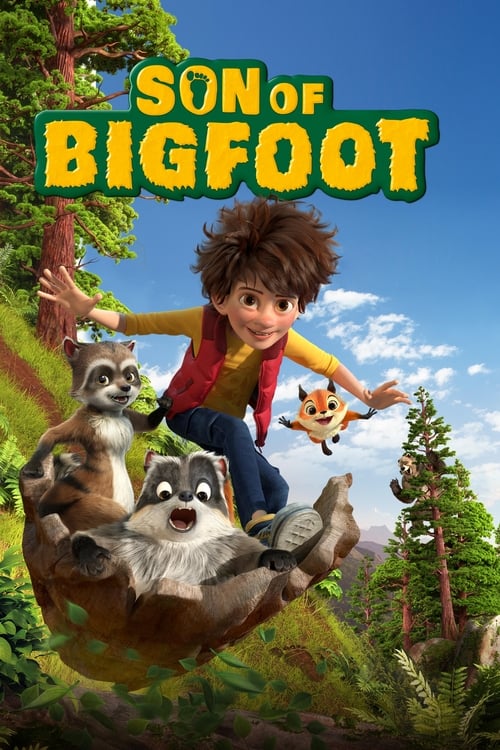
(2017)Teenage outsider Adam sets out on an epic and daring quest to uncover the mystery behind his long-lost dad, only to find out that he is none other than the legendary Bigfoot! He has been hiding deep in the forest for years to protect himself and his family from HairCo., a giant corporation eager to run scientific experiments with his special DNA. As father and son start making up for lost time after the boy's initial disbelief, Adam soon discovers that he too is gifted with superpowers beyond his imagination. But little do they know, HairCo. is on their tail as Adam's traces have led them to Bigfoot!
This animated adventure leans more on family themes and comic action than heavy content, but it does bring in mutation-based superpowers, some peril, and a few sharper insults. For Christian families, the bigger conversation is about identity, truth within families, and whether worth is grounded in unusual abilities or in being made by God.
Start with the content rating, then use the Christian guidance rating to decide how much conversation your family may need.
Content Indicators

Reviewed 1 April 2026
Micah covers action, fantasy, and franchise releases, with close attention to violence, spiritual themes, and moral framing.
The Son of Bigfoot Christian Movie Review (2017)
Guidance: Talk Together
This animated adventure leans more on family themes and comic action than heavy content, but it does bring in mutation-based superpowers, some peril, and a few sharper insults. For Christian families, the bigger conversation is about identity, truth within families, and whether worth is grounded in unusual abilities or in being made by God.
Why This Guidance Level
The Son of Bigfoot is a PG family adventure with moderate chase-and-peril material, a handful of coarse or mean-spirited words, and a central premise built around inherited powers tied to a strange mutation. The content itself does not appear especially heavy for older children, but the film raises worthwhile faith and identity conversations that many Christian parents will want to address afterward.
Faith & Worldview Perspective
The film values family connection, courage, and accepting what makes someone different. At the same time, it frames identity through hidden powers and unusual biology rather than grounding human worth in being created by God. Its supernatural-feeling elements are presented more like fantasy science than occult practice, but the story still nudges children to connect specialness with extraordinary abilities. Parents may want to remind children that our deepest identity is not in powers, appearance, or uniqueness, but in the God who made us and, ultimately, in the hope and worth we find in Jesus Christ.
Truths Reflected
- A child’s longing for a loving father reflects a real need for family connection and care.
- The story affirms that people should not be rejected simply because they seem unusual or different.
Tensions to Discuss
- The film may suggest that being special comes from rare powers or unusual traits, which can compete with a Christian view of identity rooted in God’s design.
- Some family secrecy is treated sympathetically; a Christian parent may want to discuss why truth and trust still matter even in hard situations.
Content & Discernment Markers
Occult & Spiritual Content
- Occult material does not stand out in a classic magic or spell-casting sense, but the story centers on inherited superpowers and a Bigfoot transformation explained through unusual DNA. It plays more like fantasy-science than spiritual practice, yet it still presents extraordinary power outside a Christian framework. Parents may want to discuss the difference between fictional powers and the real hope and identity found in Jesus Christ.
Sexuality & Relationships
- Sexual content is not a meaningful issue here. The relationship focus is mainly on Adam’s search for his father and the family bond that follows.
Identity Themes
- Adam’s journey is built around discovering who he is and learning that his unusual traits connect him to his father. The film encourages acceptance of what makes someone different, but it also ties identity closely to special abilities and hidden origins. Christian families may want to discuss how a child’s value comes first from being made in God’s image, not from being extraordinary.
Violence & Intensity
- The action includes pursuit, danger, and moments where characters appear to be in serious trouble, including falls from heights and a large lab explosion. Weapons are present in the story, though the tone remains within animated family-adventure territory rather than graphic violence.
Language & Humour
- Language includes mild coarse speech and insults that parents may notice, such as “holy crap,” “stupid idiot,” “freak,” “snitch,” “jerk,” “spazoid,” and “friendless loser.” The words are not extreme, but they do add a meaner edge in places, especially around teasing and bullying.
Other Content Notes
- A recurring thread involves a parent hiding painful truth from a child for protective reasons. That can open a useful conversation about when protection becomes secrecy, and why honesty and trust matter in family life.
Notable Moments
- Identity through powers: The story’s central reveal is that Adam’s unusual traits are connected to his father and to inherited superhuman abilities.
- Peril and pursuit: Corporate pursuers create chase scenes and danger, including falls and a destructive lab climax.
- Macho messaging: Some dialogue leans into a narrow picture of masculinity tied to hair, strength, and having a son.
“every real man has a son”
Discussion Prompts
- Identity and worth: What does this movie say makes Adam special? Is a person’s value based on powers and uniqueness, or on something deeper?
- Biblical guidance: Scripture teaches that our worth begins with being made by God, not with unusual abilities or appearance.
- Scripture: Genesis 1:27, Psalm 139:13-14
- Fathers and family: Why does Adam want his father so badly, and what does that tell us about a child’s need for love and presence?
- Biblical guidance: Earthly fathers matter, but the film can also point children toward the perfect love and care of our heavenly Father.
- Scripture: Psalm 68:5, Matthew 7:11
- Truth, secrecy, and protection: When do you think keeping a secret to protect someone becomes harmful? How should families handle hard truths?
- Biblical guidance: Christians are called to speak truth in love, with wisdom, honesty, and care.
- Scripture: Ephesians 4:15, Proverbs 12:22
- How we speak to others: How did insults and labels affect the characters? What kind of speech honors God when someone seems different?
- Biblical guidance: Our words should build others up rather than shame or mock them.
- Scripture: Ephesians 4:29, James 3:9-10
Common questions about The Son of Bigfoot
- What age is The Son of Bigfoot suitable for?
- The Son of Bigfoot suits children of about 8 and older in most families. That follows its official classification. It is rated PG in the US, New Zealand, the UK and Canada. Language includes mild coarse speech and insults that parents may notice, such as “holy crap,” “stupid idiot,” “freak,” “snitch,” “jerk,” “spazoid,” and “friendless loser.”
- Is The Son of Bigfoot okay for a 6-year-old?
- The Son of Bigfoot is generally better suited to children of about 8 and up, so a 6-year-old may find parts of it a stretch. It is rated PG in the US, New Zealand, the UK and Canada. Language includes mild coarse speech and insults that parents may notice, such as “holy crap,” “stupid idiot,” “freak,” “snitch,” “jerk,” “spazoid,” and “friendless loser.” Families comfortable watching a little above the classification together may still be fine with it.
Age guidance is derived from this review's content findings and the film's official classifications. It is a starting point for your own judgement, not a rule.
Parent comments
Leave a comment on this review
Share a short note on The Son of Bigfoot, or help other parents with discernment.
Submit will ask you to sign in first.
Weekend family picks
Get the short family movie list before the weekend
Example newsletter: 3 movies to watch this weekend with your family, plus one question to ask after the credits.
Sample: 3 movies to watch this weekend with your family
One cinema pick, one streaming pick, one conversation-starter pick.
Related Articles
A few bigger-picture reads for parents who want more context than a single review page can hold.

How To Talk With Kids About Magic, Fate, And Spiritual Themes In Movies
Many family movies use magic, destiny, spirits, or cosmic balance to drive the story. This article helps Christian parents respond without overreacting, while still drawing clear lines back to biblical truth.
Read article
How To Talk With Kids About Dragon magic In Family Movies
A parent-friendly guide to discussing dragon magic in family movies through a Christian lens.
Read article
How To Talk With Kids About Mild fantasy peril In Family Movies
A parent-friendly guide to discussing mild fantasy peril in family movies through a Christian lens.
Read articleMore Reviews



Official regional ratings
Local ratings remain available for reference, but LionLens separates those classifications from Christian family discernment.
Review Method
How this review was prepared
LionLens reviews are written with subtitle and dialogue evidence where available, official regional ratings data, source research, and final human editorial review before publication.