Human Reviewed
Parent feedback
37 families found this review helpful
Christian Movie Review
The Secret Garden Christian Movie Review
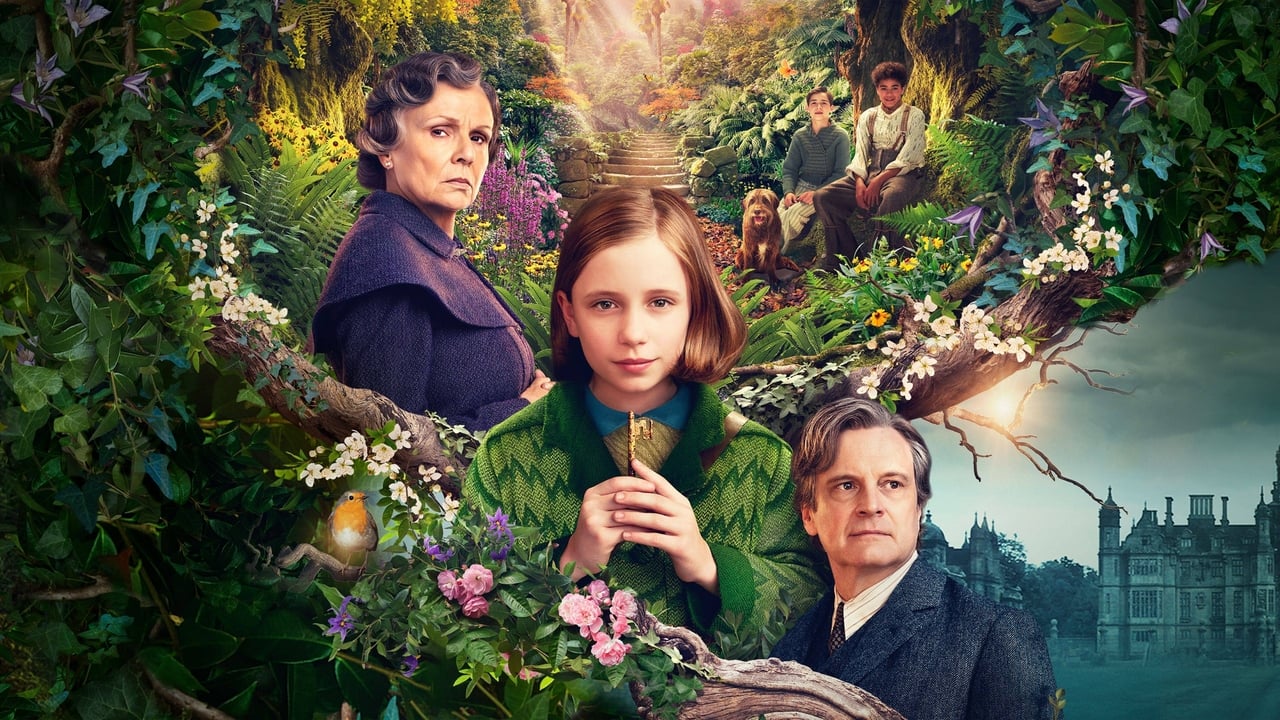
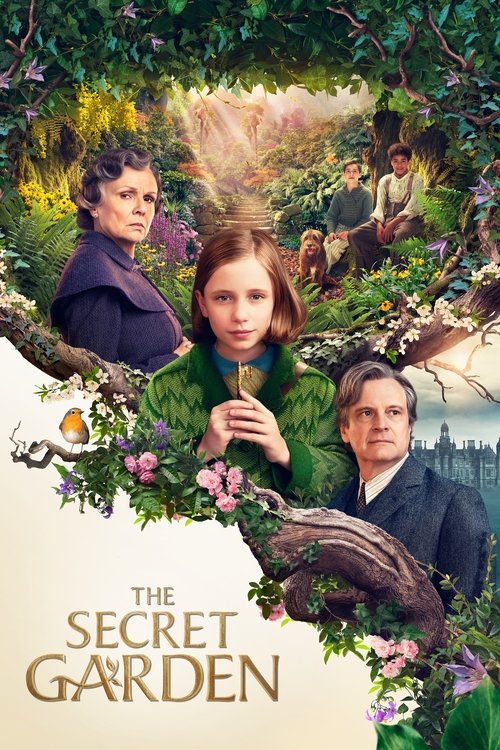
(2020)Mary Lennox is born in India to wealthy British parents who never wanted her. When her parents suddenly die, she is sent back to England to live with her uncle. She meets her sickly cousin, and the two children find a wondrous secret garden lost in the grounds of Misselthwaite Manor.
This adaptation leans more into grief, loneliness, and eerie mystery than many families may expect from a classic children’s story. The main concerns are death and illness, unsettling nighttime scenes, and a worldview that treats nature and inner healing in ways parents may want to compare with Christian hope in Jesus Christ.
Start with the content rating, then use the Christian guidance rating to decide how much conversation your family may need.
Content Indicators

Reviewed 14 December 2025
Esther handles review quality, clarity, and the practical guidance families need after the credits roll.
The Secret Garden Christian Movie Review (2020)
Guidance: Talk Together
This adaptation leans more into grief, loneliness, and eerie mystery than many families may expect from a classic children’s story. The main concerns are death and illness, unsettling nighttime scenes, and a worldview that treats nature and inner healing in ways parents may want to compare with Christian hope in Jesus Christ.
Why This Guidance Level
The film stays within PG territory, but it carries heavier emotional material than a light family fantasy. Children face sudden parental death, neglect, wartime references, and repeated eerie scenes with cries, moaning, and talk of haunting. It also includes non-Christian spiritual references and a strong emphasis on healing through nature and inner awakening, which is worth discussing alongside Christian hope in Christ.
Faith & Worldview Perspective
The story reflects real longings for comfort, friendship, beauty, and restoration after loss. It also presents nature as a place of healing and wonder, which can resonate with the Christian belief that creation shows God’s goodness. At the same time, the film can blur the line between appreciating God’s creation and treating nature itself as a source of near-mystical renewal. Early references to Hindu figures such as Rama, Sita, Ravana, and Varuna also introduce spiritual ideas outside the Christian faith. Parents may want to discuss how beauty, healing, and hope are gifts from God, but our deepest restoration comes through Jesus Christ, not through nature or spiritual ideas drawn from other religions.
Truths Reflected
- Grief, isolation, and harshness can be softened by compassion, friendship, and care.
- Creation can stir wonder and point people toward beauty, life, and renewal.
Tensions to Discuss
- The film may suggest that healing and transformation come primarily through nature itself rather than through God’s grace and hope in Christ.
- References to Hindu deities and mythic figures may conflict with a biblical view of God and may need simple clarification for children.
Content & Discernment Markers
Occult & Spiritual Content
- A caregiver tells Mary stories using Hindu mythology, naming ‘Rama,’ ‘Sita,’ the ‘evil demon Ravana,’ and later ‘Varuna, lord of the seas.’ These moments are brief and cultural rather than instructional, but they introduce spiritual figures outside Christianity. Parents may want to explain the difference between hearing a cultural story and placing trust in the one true God revealed in Jesus Christ.
- The manor is surrounded by eerie mystery, with Mary hearing crying, wailing, and ghostlike sounds at night and asking whether ‘dead soldiers haunt this house.’ The atmosphere feels haunted even though the film’s focus is more emotional and imaginative than overt occult practice. Parents may want to talk about fear, imagination, and where Christians turn when they feel afraid.
- The story strongly links healing and personal change to the secret garden and the power of nature. That can drift toward a nature-centered spirituality if left unexplored. A Christian family may want to discuss how creation is good, but it is not our savior.
Sexuality & Relationships
- Sexual content does not stand out here. Relationships center on family loss, friendship, and a widower’s grief over his late wife.
Identity Themes
- Mary’s early life is shaped by class privilege and colonial attitudes. She expects to be dressed and served, and others answer with blunt comments about ‘grand people’s children’ and life ‘in the colonies.’ These moments can open useful conversation about pride, humility, and the equal worth of every person before God.
Violence & Intensity
- The opening includes chaos, shouting, barking dogs, and gunfire as Mary searches for adults during a crisis. The sequence sounds intense for younger viewers, though it does not play like a graphic war film.
- Death is central to the setup. Mary is told that her mother died suddenly of cholera and her father died the next morning, and she plainly says, ‘My parents are dead.’ The grief is direct and may land heavily with sensitive children.
- The house mystery includes screams, faint crying, wind, and fearful nighttime wandering. The threat is mostly atmospheric rather than violent, but it may unsettle younger children. Parents may want to prepare children for scary sounds and grief-driven fear.
Language & Humour
- Language is mild. The sharper moments are insulting or dismissive phrases such as ‘plain little piece of goods,’ ‘odd duck,’ and ‘army savages.’ The concern is more about harsh tone and demeaning speech than profanity.
Other Content Notes
- Neglect and emotional coldness are recurring themes. Mary is shipped away after her parents’ deaths, told not to expect company, and ordered to stay in her rooms with ‘No exploring. No poking about.’ The emotional distance in the house is part of the story’s sadness.
- The film repeatedly returns to grief and unresolved sorrow, including a widower who says of his wife, ‘I don’t need to be reminded of her. She’s gone.’ Families walking through loss may find these scenes especially tender.
Notable Moments
- Parents’ deaths explained: An adult matter-of-factly explains that Mary’s mother died of cholera and her father died the next morning, establishing the film’s grief-heavy tone from the start.
“Her mother was struck down with cholera very suddenly. She died that night, her father the following morning.”
- Hindu myth reference: A story told to comfort Mary includes named figures from Hindu mythology, which may prompt worldview questions in Christian homes.
“There were once two people called Rama… and Sita… And then Sita was kidnapped by the evil demon Ravana.”
- Haunting atmosphere: Mary hears cries and asks whether dead soldiers haunt the house, reinforcing the film’s eerie mystery.
“The noises that I hear in the night. Do dead soldiers haunt this house?”
- Nature as healing center: The garden becomes the emotional center of restoration, shaping the film’s strongest worldview message about healing and renewal.
Discussion Prompts
- Grief and hope: How does Mary respond to losing her parents, and what do people do when they feel alone or forgotten?
- Biblical guidance: Scripture makes room for grief, but it also points us to God as our refuge and to hope that is deeper than changing feelings or surroundings.
- Scripture: Psalm 34:18, Matthew 5:4, 1 Thessalonians 4:13-14
- Creation and healing: What good things does the garden awaken in the children, and how is that different from saying nature itself saves or heals us?
- Biblical guidance: Creation is a gift that shows God’s glory, but our deepest healing and new life come from the Lord, fulfilled in Jesus Christ.
- Scripture: Psalm 19:1, Romans 1:20, Colossians 1:16-17
- Other religions and stories: What did you notice about the stories of Rama, Sita, Ravana, and Varuna, and how is that different from what Christians believe about God?
- Biblical guidance: Christians can listen respectfully to other cultures while still holding firmly that there is one true God and one Savior, Jesus Christ.
- Scripture: Exodus 20:3, John 14:6, Acts 4:12
- Speech, pride, and humility: How do harsh words and pride affect Mary’s relationships, and what changes as she learns to receive others?
- Biblical guidance: God calls us away from pride and cutting speech and toward humility, kindness, and seeing others as valuable.
- Scripture: Philippians 2:3-4, Ephesians 4:29, Proverbs 15:1
Common questions about The Secret Garden
- What age is The Secret Garden suitable for?
- The Secret Garden suits children of about 8 and older in most families. That follows its official classification. It is rated PG in Australia, the US, New Zealand, the UK and Canada. The opening includes chaos, shouting, barking dogs, and gunfire as Mary searches for adults during a crisis. Younger viewers may still enjoy it alongside a parent, and it raises worldview questions worth talking through afterwards.
- Is The Secret Garden okay for a 6-year-old?
- The Secret Garden is generally better suited to children of about 8 and up, so a 6-year-old may find parts of it a stretch. It is rated PG in Australia, the US, New Zealand, the UK and Canada. The opening includes chaos, shouting, barking dogs, and gunfire as Mary searches for adults during a crisis. Families comfortable watching a little above the classification together may still be fine with it.
Age guidance is derived from this review's content findings and the film's official classifications. It is a starting point for your own judgement, not a rule.
Parent comments
Leave a comment on this review
Share a short note on The Secret Garden, or help other parents with discernment.
Submit will ask you to sign in first.
Weekend family picks
Get the short family movie list before the weekend
Example newsletter: 3 movies to watch this weekend with your family, plus one question to ask after the credits.
Sample: 3 movies to watch this weekend with your family
One cinema pick, one streaming pick, one conversation-starter pick.
Related Articles
A few bigger-picture reads for parents who want more context than a single review page can hold.

How To Talk With Kids About Magic, Fate, And Spiritual Themes In Movies
Many family movies use magic, destiny, spirits, or cosmic balance to drive the story. This article helps Christian parents respond without overreacting, while still drawing clear lines back to biblical truth.
Read article
How To Talk With Kids About Dragon magic In Family Movies
A parent-friendly guide to discussing dragon magic in family movies through a Christian lens.
Read article
How To Talk With Kids About Mild fantasy peril In Family Movies
A parent-friendly guide to discussing mild fantasy peril in family movies through a Christian lens.
Read articleMore Reviews



Official regional ratings
Local ratings remain available for reference, but LionLens separates those classifications from Christian family discernment.
Review Method
How this review was prepared
LionLens reviews are written with subtitle and dialogue evidence where available, official regional ratings data, source research, and final human editorial review before publication.