
Human Reviewed
Parent feedback
43 families found this review helpful
Christian Movie Review
The Secret Garden Christian Movie Review
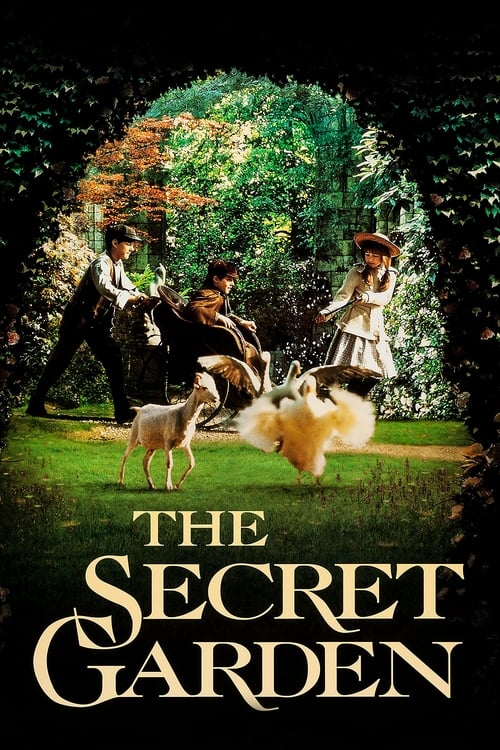
(1993)This adaptation of Frances Hodgson Burnett’s story follows Mary Lennox, a lonely girl sent to live at a gloomy country estate after her parents die. As she explores the grounds, she discovers a hidden garden and slowly forms friendships that help bring healing to the household.
A gentle family drama with grief, illness, and some eerie atmosphere, but little surface-level objectionable content. The bigger question for Christian families is the film’s emphasis on nature, self-discovery, and emotional healing apart from explicit reference to God.
Use the content rating for the mild scares and sadness, and the Christian guidance rating for the film’s worldview and healing message.
Content Indicators

Reviewed 18 May 2026
Rachel focuses on animated films, family viewing habits, and helping parents spot worldview themes quickly.
The Secret Garden Christian Movie Review (1993)
Guidance: Talk Together
A gentle family drama with grief, illness, and some eerie atmosphere, but little surface-level objectionable content. The bigger question for Christian families is the film’s emphasis on nature, self-discovery, and emotional healing apart from explicit reference to God.
Why This Guidance Level
This is a gentle film on the surface, but it carries real emotional weight through death, abandonment, illness, and a haunted-feeling atmosphere. The stronger discernment issue is not graphic content but the story’s worldview: healing is tied to nature, secrecy, and human restoration more than to God, so many Christian families will want a conversation about where hope and wholeness truly come from.
Faith & Worldview Perspective
The movie values compassion, patience, friendship, and the restoration of what has been neglected, and those are genuinely good themes. Its deeper frame, however, leans toward nature as the main source of healing and renewal, with little attention to God or Christian hope in Christ. Parents may want to discuss how real healing and identity are ultimately found in the Lord, not in a garden or in self-made transformation.
Truths Reflected
- Care and friendship can help wounded people heal
- Neglect can be answered by patient restoration and stewardship
Tensions to Discuss
- The film treats nature as a primary healer rather than pointing to God as the giver of life and hope in Christ
- It frames emotional renewal mainly through secrecy, self-discovery, and human effort
Content & Discernment Markers
Occult & Spiritual Content
- Occult material does not stand out here, though the house is described as if a spell were cast over it and characters speak of ghosts, curses, and a crying presence in the halls. The mood is eerie rather than overtly supernatural, but younger children may still need reassurance that this is atmosphere, not real spiritual instruction.
Sexuality & Relationships
- Romantic or sexual material does not meaningfully factor into the story. The focus stays on family loss, friendship, and the children’s emotional recovery.
Identity Themes
- Mary begins as a lonely, unwanted child who says, “My parents didn’t want me,” and Colin is hidden away, convinced he will die. The film’s identity message is that care, belonging, and purpose grow through relationship and restoration; parents may want to discuss where a child’s worth truly comes from.
Violence & Intensity
- Violence is light and mostly indirect, but the story opens with an earthquake that kills Mary’s parents and later includes a slap and some frightening talk about death and illness. The tension is more emotional than physical, though Colin’s fear of dying gives the film a heavier edge than a typical bright children’s story.
Language & Humour
- Language stays mostly mild, but there are a few sharp insults and rude lines such as “you daughter of a pig,” “Are you blind? They’re all black,” and “plain piece of quince.” Parents may want to note how quickly cruelty and class prejudice show up in the adults’ speech.
Other Content Notes
- Death, grief, neglect, and medical fear shape much of the story. Mary’s loneliness, Colin’s confinement, and the repeated talk of dying give the film emotional seriousness that may prompt good family conversation.
Notable Moments
- Mary’s loneliness: Mary introduces herself as a child who was left emotionally alone and unwanted, which sets the film’s grief-filled tone and explains why connection matters so much in the story.
“My parents didn’t want me.”
- The hidden garden: Mary discovers that the garden is not dead but alive, and the moment becomes the film’s central image for restoration and hope. Parents may want to discuss why the story connects healing with nature and work.
“This garden’s not dead. It’s as alive as you or me.”
- Colin’s fear: Colin speaks openly about death and frailty, showing how fear has shaped his whole life in the manor. The scene can open a helpful conversation about fear, suffering, and where Christian hope rests.
“I’m going to die.”
- Eerie house mood: The house is described as dead and haunted by crying, giving the film a spooky atmosphere without turning into a horror story. Younger viewers may need help separating mood from reality.
“The house seemed dead… like a spell had been cast upon it.”
Discussion Prompts
- Where healing comes from: What does the movie say helps Mary and Colin heal, and how is that different from the way Christians think about hope and restoration?
- Biblical guidance: The film honors care and renewal, but Christians believe lasting healing is finally found in God’s mercy and in Jesus Christ, not in nature alone.
- Scripture: Psalm 147:3, Colossians 1:16-17
- Worth and belonging: Mary feels unwanted and Colin feels hidden away. What does Scripture say about a person’s value when others ignore or reject them?
- Biblical guidance: God gives dignity to every person made in His image, and that truth is stronger than neglect, pride, or family brokenness.
- Scripture: Genesis 1:27, Psalm 139:13-14
- Fear and hope: Why do you think Colin is so afraid of dying, and how does Christian hope in Christ speak to fear and suffering?
- Biblical guidance: The gospel does not deny pain, but it does give real hope beyond death through Jesus’ resurrection.
- Scripture: John 11:25-26, 1 Corinthians 15:54-57
- Stewardship and care: What changes when Mary begins caring for the garden instead of ignoring it, and how does that connect to stewardship in everyday life?
- Biblical guidance: The story reflects the goodness of tending what has been neglected, which fits the biblical call to faithful stewardship.
- Scripture: Genesis 2:15, Galatians 6:9
Common questions about The Secret Garden
- What age is The Secret Garden suitable for?
- The Secret Garden suits children of about 6 and older in most families. The main reason is language. Language stays mostly mild, but there are a few sharp insults and rude lines such as “you daughter of a pig,” “Are you blind? Younger viewers may still enjoy it alongside a parent, and it raises worldview questions worth talking through afterwards.
- Is The Secret Garden okay for a 4-year-old?
- The Secret Garden is generally better suited to children of about 6 and up, so a 4-year-old may find parts of it a stretch. Language stays mostly mild, but there are a few sharp insults and rude lines such as “you daughter of a pig,” “Are you blind? Families whose children handle language well may still be comfortable watching together.
Age guidance is derived from this review's content findings and the film's official classifications. It is a starting point for your own judgement, not a rule.
Parent comments
Leave a comment on this review
Share a short note on The Secret Garden, or help other parents with discernment.
Submit will ask you to sign in first.
Weekend family picks
Get the short family movie list before the weekend
Example newsletter: 3 movies to watch this weekend with your family, plus one question to ask after the credits.
Sample: 3 movies to watch this weekend with your family
One cinema pick, one streaming pick, one conversation-starter pick.
Related Articles
A few bigger-picture reads for parents who want more context than a single review page can hold.

Disney And Pixar Films For Christian Families: Why They Still Need Discernment
Disney and Pixar films often feel safer than they really are. This guide helps Christian parents notice the spiritual assumptions, emotional messages, and identity themes that can slip past a quick first impression.
Read article
How To Talk With Kids About Dragon magic In Family Movies
A parent-friendly guide to discussing dragon magic in family movies through a Christian lens.
Read article
How To Talk With Kids About Mild fantasy peril In Family Movies
A parent-friendly guide to discussing mild fantasy peril in family movies through a Christian lens.
Read articleMore Reviews



Official regional ratings
Local ratings remain available for reference, but LionLens separates those classifications from Christian family discernment.
Review Method
How this review was prepared
LionLens reviews are written with subtitle and dialogue evidence where available, official regional ratings data, source research, and final human editorial review before publication.