Human Reviewed
Parent feedback
45 families found this review helpful
Christian Movie Review
The Pout-Pout Fish Christian Movie Review
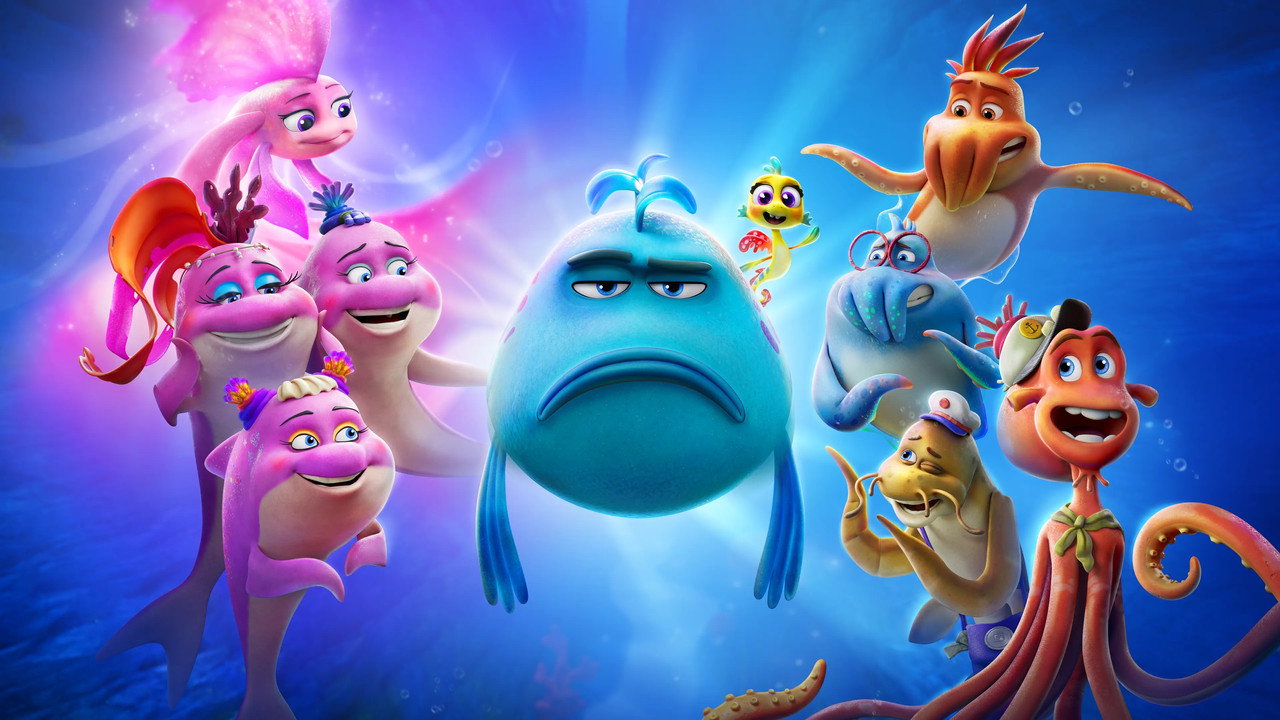
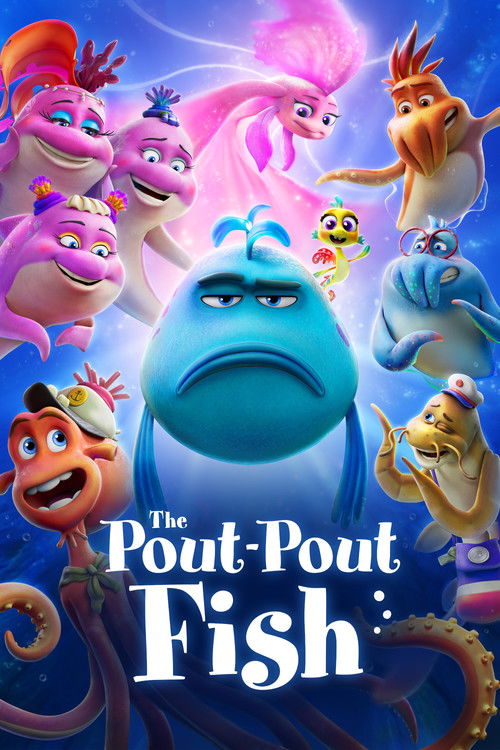
(2026)Living on a rundown shipwreck, Mr. Fish one day discovers a hyperactive young sea dragon Pip - who had mistaken his home for a junkyard - pilfering his belongings. The heated argument that ensues leaves both their houses in ruin. But there is hope! Embarking on a seemingly impossible quest in search of the mythical 'Shimmer' to grant them a wish, there’s only one problem: someone else is on the hunt...
This animated adventure has a warm message about friendship, compassion, and hope, but it also includes several tense sequences, some unkind teasing, and a recurring magical-wish idea. For many Christian families, the main discernment point is less the surface content and more the film's mix of emotional truth with fantasy-based hope.
Start with the content rating, then use the Christian guidance rating to decide how much conversation your family may need.
Content Indicators

Reviewed 11 January 2026
Esther handles review quality, clarity, and the practical guidance families need after the credits roll.
The Pout-Pout Fish Christian Movie Review (2026)
Guidance: Talk Together
This animated adventure has a warm message about friendship, compassion, and hope, but it also includes several tense sequences, some unkind teasing, and a recurring magical-wish idea. For many Christian families, the main discernment point is less the surface content and more the film’s mix of emotional truth with fantasy-based hope.
Why This Guidance Level
The Pout-Pout Fish stays in the range of a mainstream family adventure, but it is not entirely weightless. There is some frightening peril, a destroyed home, chasing and threat, and a story thread built around finding Shimmer to grant a wish. None of this appears extreme, yet the emotional intensity and the film’s hope-through-magic idea give parents worthwhile material to talk through with children.
Faith & Worldview Perspective
The film reflects real truths about loneliness, the power of words, compassion for outsiders, and the need for courage when life goes wrong. It also leans on a fantasy solution through Shimmer, a wish-granting figure, as a source of rescue and restoration. That may conflict with a biblical view when hope is placed in magic rather than in God’s care and, ultimately, in the lasting hope Christians have in Jesus Christ. Parents may want to discuss where true hope comes from when life feels broken.
Truths Reflected
- Kindness and empathy can help draw isolated people back into community.
- Words can wound or encourage, and responsibility matters when our actions harm others.
Tensions to Discuss
- The story points characters toward a magical wish as the answer to deep problems, which may need contrast with trusting God rather than fantasy power.
- A character’s identity is shaped by repeating a negative label about himself, which may need discussion alongside the dignity and truth God speaks over people.
Content & Discernment Markers
Occult & Spiritual Content
- A major plot thread centers on Shimmer, a figure believed to grant wishes and fix impossible problems. Characters speak hopefully about finding Shimmer as the answer to broken circumstances. This is fantasy rather than explicit occult practice, but it still frames rescue through magic. Parents may want to discuss the difference between fairy-tale wishes and Christian hope in God.
Sexuality & Relationships
- Sexual content is very light. Early humor includes a self-flattering line about being ‘very attractive,’ and there is mild appearance-based banter, but romance does not stand out as a major element.
Identity Themes
- Mr. Fish absorbs a negative identity through repeated lines like, ‘You are a Pout-Pout Fish’ and ‘I spread the dreary-wearies all over the place.’ The film treats this as emotionally harmful and tied to discouragement. Parents may want to discuss how repeated labels can shape a child’s heart and how identity should be grounded in truth, not mockery.
Violence & Intensity
- The story includes family-film peril and emotional distress. A fragile home is damaged when objects are mishandled, leading to panic and tears: ‘No, no, no! My home!’ and ‘It’s all gone. What are we gonna do?’
- There are also tense ocean-adventure moments described as unexpectedly intense for younger viewers, including chase-and-threat sequences and danger in darker parts of the sea. The material appears stylized rather than graphic, but sensitive children may still feel the fear.
- A flashback or memory includes a father shouting to warn his child about strangers, which may land as upsetting for younger viewers because the fear is emotional as well as loud.
Language & Humour
- Language is mostly mild and comic. Teasing phrases include ‘cranky pants,’ ‘shut up,’ ‘What the flip,’ ‘bull shark,’ and ‘heavy stalker vibes.’ The humor also uses lots of fish puns and pop-culture parody names like ‘Nicki Mi-Narwhal’ and ‘Jordin Sharks.‘
Other Content Notes
- Several scenes show social teasing and unhelpful comments toward a gloomy character: ‘Cheer up,’ ‘Smile, you’ll live longer,’ and ‘Give us a grin.’ The film understands these remarks as insensitive rather than kind. Parents may want to discuss how to respond to sadness with compassion instead of pressure.
- One comic moment uses a pufferfish to help an anxious character calm down after a stressful event. It plays lightly, but it also opens a useful conversation about fear, comfort, and caring for others in distress.
Notable Moments
- Negative self-labeling: Mr. Fish repeats a gloomy identity statement about himself, showing how shame and labels can become internalized.
“I am a Pout-Pout Fish. With a Pout-Pout Face. I spread the dreary-wearies all over the place.”
- Insensitive teasing: Other fish pressure a sad character to smile instead of showing understanding.
“Cheer up, mate. Smile. It takes more muscles to frown. Give us a grin.”
- Home destroyed: A fragile home is accidentally ruined, creating one of the film’s stronger emotional beats.
“No, no, no! My home!”
- Wish-based hope: The story turns toward Shimmer as a possible answer to problems that feel impossible to fix.
“What about Shimmer?”
Discussion Prompts
- Identity and words: When Mr. Fish keeps repeating negative things about himself, what does that do to his heart? What does God say matters more than labels from other people?
- Biblical guidance: Scripture warns that words carry power and reminds us that our worth is not defined by mockery or shame.
- Scripture: Proverbs 18:21, Psalm 139:14, Ephesians 4:29
- Hope and magical solutions: Why do the characters want Shimmer to fix everything? When life feels broken, how is trusting a wish different from trusting God?
- Biblical guidance: Christians can enjoy fantasy stories, but our real hope is not in magic. Our hope is in the Lord and in the sure hope we have through Jesus Christ.
- Scripture: Psalm 121:1-2, Jeremiah 17:7, 1 Peter 1:3
- Compassion for sad people: Were the fish being kind when they kept saying ‘cheer up’ and ‘give us a grin’? What might loving someone well look like instead?
- Biblical guidance: God calls us to be tenderhearted, patient, and ready to comfort others rather than dismiss their pain.
- Scripture: Romans 12:15, Ephesians 4:32, Galatians 6:2
- Responsibility after harm: What should someone do after their actions damage another person’s home or safety? What does repentance and making things right look like?
- Biblical guidance: The Bible teaches honesty, responsibility, and practical efforts to repair harm where possible.
- Scripture: Luke 19:8, James 5:16, Proverbs 28:13
Common questions about The Pout-Pout Fish
- What age is The Pout-Pout Fish suitable for?
- The Pout-Pout Fish suits children of about 6 and older in most families. The main reason is violence and peril. The story includes family-film peril and emotional distress. Younger viewers may still enjoy it alongside a parent, and it raises worldview questions worth talking through afterwards.
- Is The Pout-Pout Fish okay for a 4-year-old?
- The Pout-Pout Fish is generally better suited to children of about 6 and up, so a 4-year-old may find parts of it a stretch. The story includes family-film peril and emotional distress. Families whose children handle violence and peril well may still be comfortable watching together.
Age guidance is derived from this review's content findings and the film's official classifications. It is a starting point for your own judgement, not a rule.
Parent comments
Leave a comment on this review
Share a short note on The Pout-Pout Fish, or help other parents with discernment.
Submit will ask you to sign in first.
Weekend family picks
Get the short family movie list before the weekend
Example newsletter: 3 movies to watch this weekend with your family, plus one question to ask after the credits.
Sample: 3 movies to watch this weekend with your family
One cinema pick, one streaming pick, one conversation-starter pick.
Related Articles
A few bigger-picture reads for parents who want more context than a single review page can hold.

How To Talk With Kids About Magic, Fate, And Spiritual Themes In Movies
Many family movies use magic, destiny, spirits, or cosmic balance to drive the story. This article helps Christian parents respond without overreacting, while still drawing clear lines back to biblical truth.
Read article
How To Talk With Kids About Dragon magic In Family Movies
A parent-friendly guide to discussing dragon magic in family movies through a Christian lens.
Read article
How To Talk With Kids About Mild fantasy peril In Family Movies
A parent-friendly guide to discussing mild fantasy peril in family movies through a Christian lens.
Read articleMore Reviews




Official regional ratings
Local ratings remain available for reference, but LionLens separates those classifications from Christian family discernment.
Review Method
How this review was prepared
LionLens reviews are written with subtitle and dialogue evidence where available, official regional ratings data, source research, and final human editorial review before publication.