Human Reviewed
Parent feedback
28 families found this review helpful
Christian Movie Review
The Polar Express Christian Movie Review
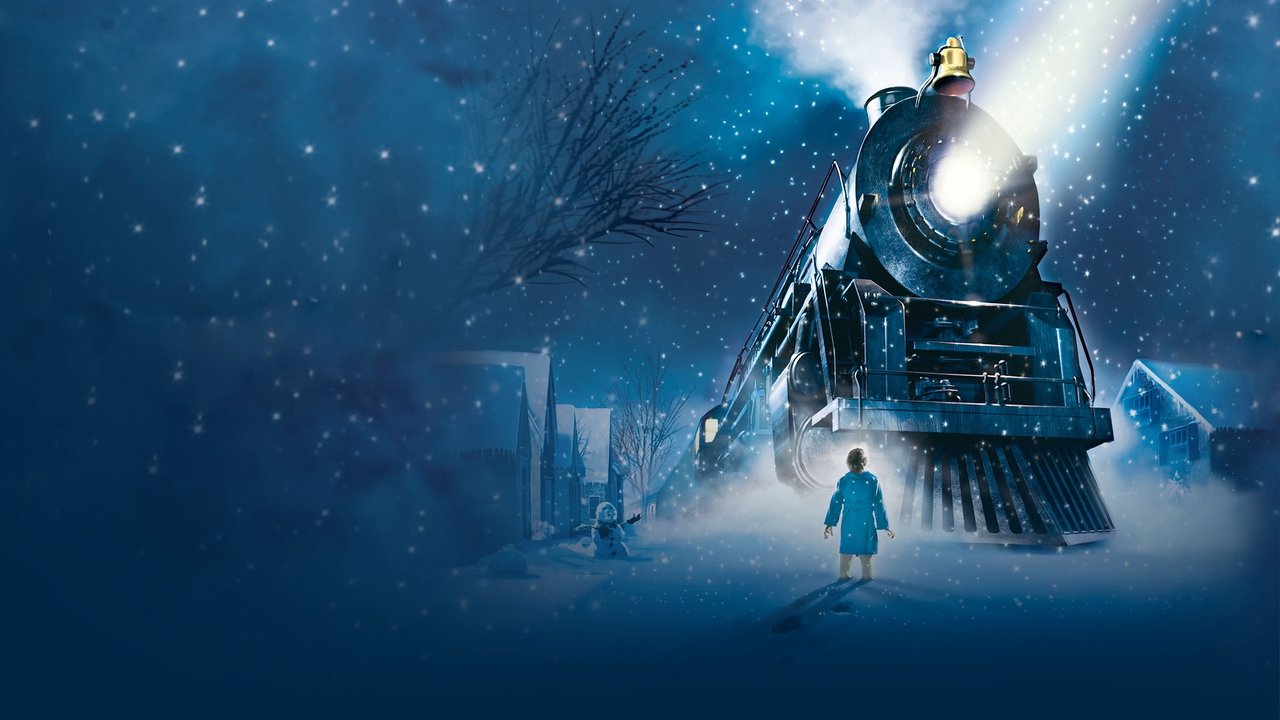
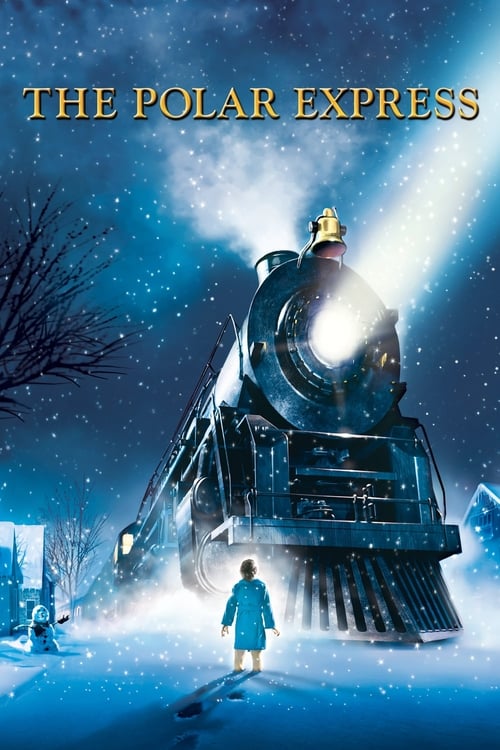
(2004)A young boy boards a magical train on Christmas Eve and travels to the North Pole with other children. The journey mixes wonder, danger, and a story about belief, friendship, and the spirit of Christmas.
This is a warm holiday adventure with mild peril, some tense imagery, and a strong emphasis on believing in Santa and the magic of Christmas. Christian families may want to talk through the film’s spiritual framing, especially where it places faith in Santa and the “spirit of Christmas” at the center.
Use the content rating for the train peril and mild language, and the Christian guidance rating for the film’s belief-centered Christmas message.
Content Indicators

Reviewed 14 May 2026
Micah covers action, fantasy, and franchise releases, with close attention to violence, spiritual themes, and moral framing.
The Polar Express Christian Movie Review (2004)
Guidance: Talk Together
This is a warm holiday adventure with mild peril, some tense imagery, and a strong emphasis on believing in Santa and the magic of Christmas. Christian families may want to talk through the film’s spiritual framing, especially where it places faith in Santa and the “spirit of Christmas” at the center.
Why This Guidance Level
This is a gentle holiday adventure, but it is not entirely friction-free for younger viewers. The train sequences bring repeated peril, a few scary beats, and light language, while the bigger discernment issue is the film’s spiritual framing: it treats belief in Santa and the “spirit of Christmas” as the heart of the story. For Christian families, that makes it a good conversation piece rather than a simple background watch.
Faith & Worldview Perspective
The film celebrates wonder, courage, friendship, and generosity, and those are real strengths. At the same time, it places belief in Santa and Christmas magic at the center, and it speaks of the “true spirit of Christmas” in a way that can blur the line between childlike wonder and spiritual truth. Parents may want to discuss how Christian hope is rooted in Jesus Christ, not in a seasonal myth or in feelings alone.
Truths Reflected
- Friendship and courage matter in hard moments.
- Wonder and trust can help children move beyond fear.
Tensions to Discuss
- The film treats belief in Santa as a central test of faith, which can compete with trust in Jesus Christ.
- It frames the meaning of Christmas as something found in the heart, which can soften the gospel’s focus on Christ’s real coming.
Content & Discernment Markers
Occult & Spiritual Content
- Occult material does not stand out here, but the film does lean hard into magical Christmas imagery and a faith-in-the-unseen storyline. The conductor’s question, “What exactly is your persuasion on the big man?” and the boy’s reply, “I want to believe,” make belief itself the emotional center. Parents may want to discuss the difference between childlike wonder and Christian faith in Jesus Christ.
Sexuality & Relationships
- No sexuality concerns stand out. The story stays focused on children, family, and Christmas adventure.
Identity Themes
- The boy’s identity is shaped by whether he is a believer or a doubter, and the film treats that choice as a defining moment. The line “I want to believe” gives the story emotional weight, and parents may want to discuss what it means to trust what is true rather than simply what feels magical.
Violence & Intensity
- The train ride includes emergency braking, fast-moving cars, balancing on rooftops, falling, and a child nearly being left behind. The tension is adventurous rather than brutal, but it is sustained enough to matter for sensitive children. Parents may want to prepare younger viewers for the chase-like scenes and the dark toy-room sequence.
Language & Humour
- Language stays mild, with phrases like “what the heck,” “who in the blazes,” and “bamboozled.” These are not heavy profanities, but they are the main words parents may notice in the dialogue.
Other Content Notes
- The hot chocolate number is playful and energetic, with a joking line about Montezuma and a beverage gag, but it does not turn into substance misuse. The film’s biggest non-content concern is its emotional push toward Christmas magic as a kind of belief system.
Notable Moments
- Emergency brake panic: A child tries to stop the train so another child can board, and the conductor sharply rebukes the action while reminding everyone that the train is on a tight schedule.
“Pull the emergency brake!”
- Hot chocolate number: The film pauses for a lively musical sequence built around hot chocolate, with playful banter and a joking historical reference.
“Hot chocolate”
- Belief conversation: The story directly frames the central question as whether the boy will believe in Santa, making faith and doubt the emotional engine of the film.
“I want to believe.”
Discussion Prompts
- Belief and truth: What is the difference between believing in Santa and trusting in Jesus Christ?
- Biblical guidance: The Bible calls us to put our trust in the Lord, who is real and faithful, rather than in a seasonal fantasy.
- Scripture: John 14:6, Hebrews 11:1
- Wonder and worship: How can Christmas wonder point us toward God instead of replacing Him?
- Biblical guidance: Enjoying beauty and joy is good, but Christian hope stays centered on the gift of Christ, not on magic.
- Scripture: Luke 2:10-11, James 1:17
- Courage and friendship: Which characters showed courage or kindness, and why do those choices matter?
- Biblical guidance: The film’s best moments echo biblical virtues like courage, service, and love for others.
- Scripture: 1 Corinthians 16:13-14, Philippians 2:3-4
Common questions about The Polar Express
- What age is The Polar Express suitable for?
- The Polar Express suits children of about 6 and older in most families. The main reason is violence and peril. The train ride includes emergency braking, fast-moving cars, balancing on rooftops, falling, and a child nearly being left behind.
- Is The Polar Express okay for a 4-year-old?
- The Polar Express is generally better suited to children of about 6 and up, so a 4-year-old may find parts of it a stretch. The train ride includes emergency braking, fast-moving cars, balancing on rooftops, falling, and a child nearly being left behind. Families whose children handle violence and peril well may still be comfortable watching together.
Age guidance is derived from this review's content findings and the film's official classifications. It is a starting point for your own judgement, not a rule.
Parent comments
Leave a comment on this review
Share a short note on The Polar Express, or help other parents with discernment.
Submit will ask you to sign in first.
Weekend family picks
Get the short family movie list before the weekend
Example newsletter: 3 movies to watch this weekend with your family, plus one question to ask after the credits.
Sample: 3 movies to watch this weekend with your family
One cinema pick, one streaming pick, one conversation-starter pick.
Related Articles
A few bigger-picture reads for parents who want more context than a single review page can hold.

How To Talk With Kids About Magic, Fate, And Spiritual Themes In Movies
Many family movies use magic, destiny, spirits, or cosmic balance to drive the story. This article helps Christian parents respond without overreacting, while still drawing clear lines back to biblical truth.
Read article
How To Talk With Kids About Dragon magic In Family Movies
A parent-friendly guide to discussing dragon magic in family movies through a Christian lens.
Read article
How To Talk With Kids About Mild fantasy peril In Family Movies
A parent-friendly guide to discussing mild fantasy peril in family movies through a Christian lens.
Read articleMore Reviews




Official regional ratings
Local ratings remain available for reference, but LionLens separates those classifications from Christian family discernment.
Review Method
How this review was prepared
LionLens reviews are written with subtitle and dialogue evidence where available, official regional ratings data, source research, and final human editorial review before publication.