Human Reviewed
Parent feedback
40 families found this review helpful
Christian Movie Review
The Peanuts Movie Christian Movie Review
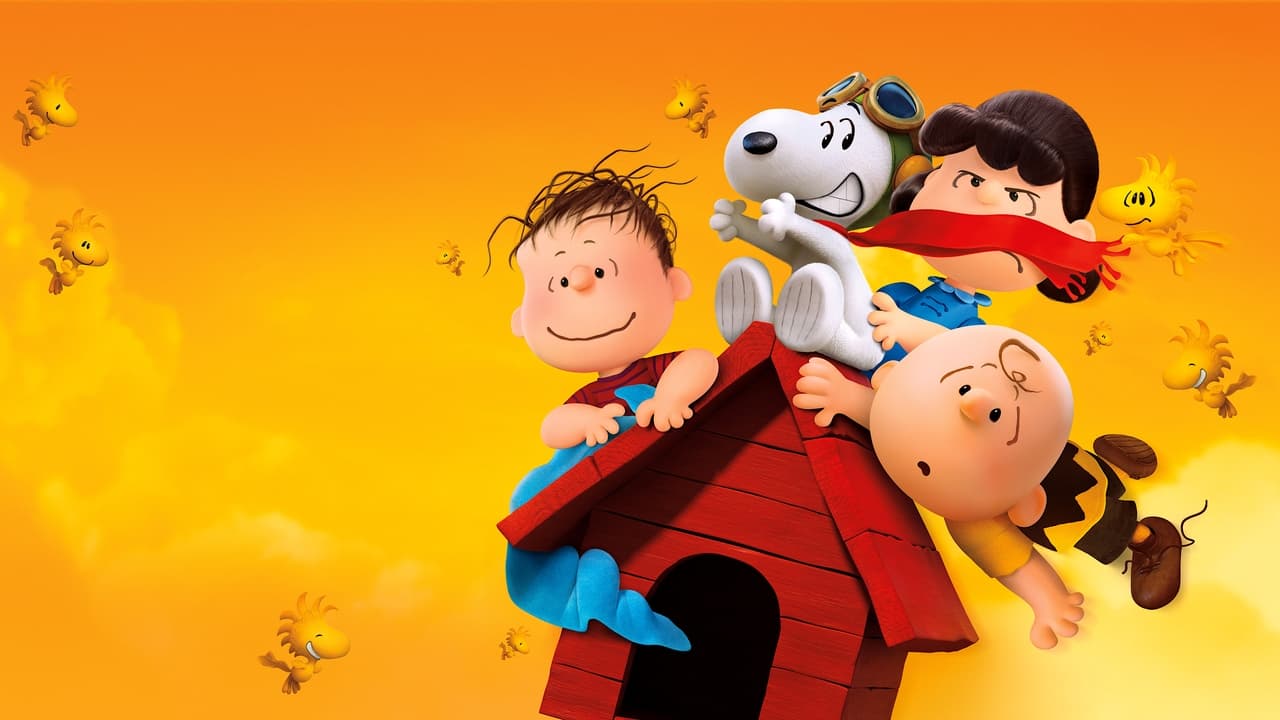
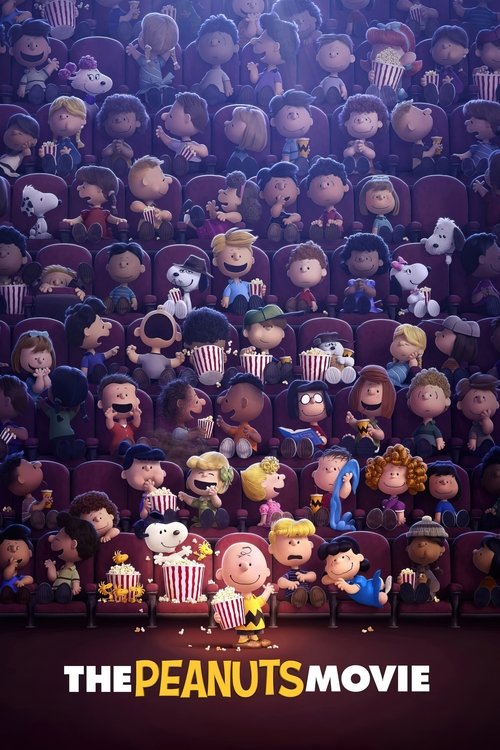
(2015)This animated family film follows Charlie Brown as he tries to overcome his insecurities, impress the Little Red-Haired Girl, and keep going through one failure after another. Alongside him, Snoopy drifts into playful fantasy adventures while the familiar Peanuts gang brings gentle comedy and schoolyard chaos.
This is a very gentle family movie with mild slapstick, light insults, and innocent crush material. Its main value for Christian families is not surface content but the chance to talk about identity, perseverance, and whether self-worth should rest on performance or on being known and loved.
Use the content rating for what is shown on screen and the Christian guidance rating for what the movie may be worth discussing afterward.
Content Indicators

Reviewed 3 January 2026
Micah covers action, fantasy, and franchise releases, with close attention to violence, spiritual themes, and moral framing.
The Peanuts Movie Christian Movie Review (2015)
Guidance: Low Concern
This is a very gentle family movie with mild slapstick, light insults, and innocent crush material. Its main value for Christian families is not surface content but the chance to talk about identity, perseverance, and whether self-worth should rest on performance or on being known and loved.
Why This Guidance Level
This lands at minimal concern because the film is gentle, age-appropriate, and free of heavy content. The main reason for any guidance at all is its steady focus on insecurity, popularity, and self-image, which gives parents a natural opening to talk about where true worth comes from.
Faith & Worldview Perspective
The film treats kindness, persistence, humility, and loyal friendship as real goods, and it shows that ridicule can wound a child who already feels small. Its central message is that a person should keep trying and be appreciated for who he really is. That reflects important truths, but it stops short of grounding identity in God. Christian families may want to discuss how Charlie Brown’s longing to be seen and loved points beyond human approval to the steadier love found in Jesus Christ.
Truths Reflected
- Perseverance matters even when success does not come quickly.
- Faithful friendship and simple kindness can strengthen someone who feels discouraged.
Tensions to Discuss
- The movie leans toward self-worth rooted in being noticed and accepted by others rather than in being created and known by God.
- Its answer to insecurity is mostly self-belief and authenticity, which is helpful but thinner than Christian hope in Christ.
Content & Discernment Markers
Occult & Spiritual Content
- Occult material does not stand out here. Linus briefly mentions hoping the new child will have “an open mind about the Great Pumpkin,” which plays as a familiar Peanuts joke rather than spiritual instruction. Parents may simply note the difference between a comic childhood belief and real spiritual truth centered on Jesus Christ.
Sexuality & Relationships
- Romance stays in the realm of innocent childhood crushes. Charlie Brown blushes over the Little Red-Haired Girl, Sally calls Linus “my Sweet Babboo,” and the humor comes from awkward affection rather than sexual content.
- Snoopy’s imagination includes a melodramatic line about Fifi as “the greatest love story ever told,” but it is played for broad comedy and fantasy. Parents may use it to talk about the difference between playful crushes and real, self-giving love.
Identity Themes
- Charlie Brown’s insecurity is one of the film’s main emotional threads. He says, “Sometimes I wonder if the kids really like me” and hopes a new classmate will know nothing of his “past imperfections.” This matters for Christian families because the story clearly shows how much a child can ache for approval. Parents may want to discuss where true identity and worth come from.
- The film also highlights perseverance in the face of failure. Charlie Brown insists, “Charlie Brown is not a quitter,” even after public embarrassment and repeated setbacks. That is a strong conversation point about endurance, humility, and whether effort alone is enough to define a person.
Violence & Intensity
- Most physical action is slapstick and light. Charlie Brown’s kite gets away, characters tumble on the ice, and there are comic cries like “Runaway kite!” and “No brakes!” The tone is playful rather than frightening.
- Snoopy’s fantasy material brings mild wartime imagery, including references to the Red Baron and lines such as “High above the French countryside…” These scenes involve chase-and-peril energy, but they are framed as imaginative adventure rather than graphic violence.
Language & Humour
- Language is very mild and mostly tied to schoolyard teasing or frustration. The notable words are “stupid,” “blockhead,” and “good grief,” with Lucy’s put-downs aimed at Charlie Brown. Parents may want to discuss how repeated ridicule shapes a child’s sense of worth.
Other Content Notes
- Lucy is frequently harsh and dismissive toward Charlie Brown, asking, “Don’t you ever know when to give up?” and telling him, “Because you’re Charlie Brown!” The movie does not celebrate this behavior, but younger children may notice the sting of repeated mockery.
- The classroom and neighborhood setting include mild social pressure, embarrassment, and longing to impress others, especially around the new girl. This is emotionally recognizable material for children and may prompt good family conversation.
Notable Moments
- Perseverance after failure: Charlie Brown keeps trying even after another public kite disaster and Lucy’s ridicule.
“Remember, it’s the courage to continue that counts!”
- Identity and approval: Charlie Brown quietly reveals how deeply he wants to be known apart from his failures.
“Sometimes I wonder if the kids really like me.”
- Gentle friendship: Charlie Brown describes the comfort of being loved without judgment.
“A dog doesn’t try to give advice or judge you. They just love you for who you are.”
- Fantasy adventure tone: Snoopy’s imagination shifts into a playful World War I flying-ace scenario.
“High above the French countryside… the World War I Flying Ace had never been so close… to his lifelong enemy… the infamous Red Baron.”
Discussion Prompts
- Identity and approval: Why does Charlie Brown care so much about what the other kids think of him? What should matter most when we feel left out or embarrassed?
- Biblical guidance: Scripture teaches that our deepest worth is not earned by success or popularity but received from God, who knows us fully.
- Scripture: Psalm 139:13-14, Galatians 1:10
- Perseverance and hope: What is the difference between stubbornly proving yourself and faithfully continuing to do what is right?
- Biblical guidance: The Bible honors perseverance, but it also points us to strength and hope that come from the Lord rather than from ourselves alone.
- Scripture: Galatians 6:9, James 1:2-4
- Words that wound: How do Lucy’s words affect Charlie Brown? Have you ever seen teasing become hurtful?
- Biblical guidance: God calls us to use words that build others up instead of tearing them down.
- Scripture: Ephesians 4:29, Proverbs 18:21
- Friendship and love: What makes Snoopy a comforting friend to Charlie Brown, and what makes a friendship truly loving?
- Biblical guidance: Faithful friendship reflects God’s care, and Christian love is patient, kind, and not self-seeking. Parents may also connect this to the greater love and welcome we receive in Jesus Christ.
- Scripture: Proverbs 17:17, 1 Corinthians 13:4-7, John 15:13
Common questions about The Peanuts Movie
- What age is The Peanuts Movie suitable for?
- The Peanuts Movie suits all ages, including young children.
- Can young children watch The Peanuts Movie?
- Yes. The Peanuts Movie is gentle enough for young children, with nothing in the content that needs an older audience.
Age guidance is derived from this review's content findings and the film's official classifications. It is a starting point for your own judgement, not a rule.
Parent comments
Leave a comment on this review
Share a short note on The Peanuts Movie, or help other parents with discernment.
Submit will ask you to sign in first.
Weekend family picks
Get the short family movie list before the weekend
Example newsletter: 3 movies to watch this weekend with your family, plus one question to ask after the credits.
Sample: 3 movies to watch this weekend with your family
One cinema pick, one streaming pick, one conversation-starter pick.
Related Articles
A few bigger-picture reads for parents who want more context than a single review page can hold.

3 Family Movies To Watch With The Kids This Weekend
Three family movie options with quick Christian discernment notes, review links, and simple conversation prompts for parents.
Read article
3 Family Movies To Watch With The Kids This Weekend
Three family movie options with quick Christian discernment notes, review links, and simple conversation prompts for parents.
Read article
3 Family Movies To Watch With The Kids This Weekend
Three family movie options with quick Christian discernment notes, review links, and simple conversation prompts for parents.
Read articleMore Reviews



Official regional ratings
Local ratings remain available for reference, but LionLens separates those classifications from Christian family discernment.
Review Method
How this review was prepared
LionLens reviews are written with subtitle and dialogue evidence where available, official regional ratings data, source research, and final human editorial review before publication.