
Human Reviewed
Parent feedback
50 families found this review helpful
Christian Movie Review
The Parent Trap Christian Movie Review
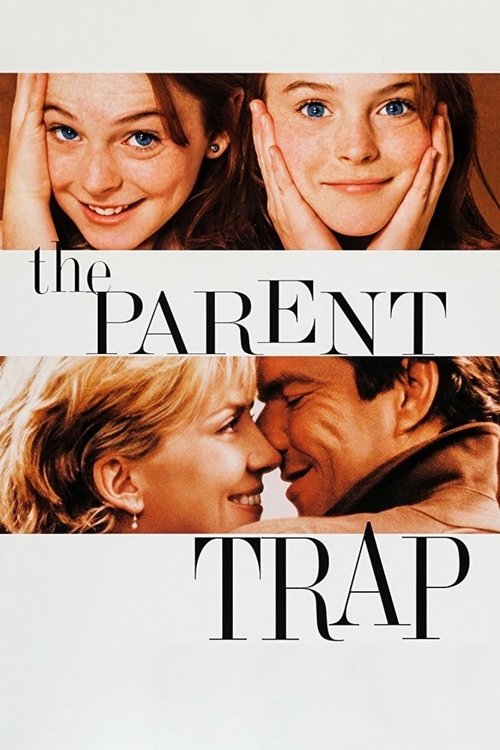
(1998)Two identical twins meet for the first time at summer camp after being raised apart by divorced parents. They trade places in a playful scheme that leads to pranks, misunderstandings, and a push toward family reunion.
This is a warm, funny family comedy with light PG-level content, but it also centers on divorce, deception, and a story where lying is rewarded. Christian families may want to talk through the moral framing and the emotional weight of the parents’ separation.
Use the PG rating for the light surface content, and use the Christian guidance rating for the story’s moral and family-message questions.
Content Indicators

Reviewed 8 May 2026
Micah covers action, fantasy, and franchise releases, with close attention to violence, spiritual themes, and moral framing.
The Parent Trap Christian Movie Review (1998)
Guidance: Low Concern
This is a warm, funny family comedy with light PG-level content, but it also centers on divorce, deception, and a story where lying is rewarded. Christian families may want to talk through the moral framing and the emotional weight of the parents’ separation.
Why This Guidance Level
The film is light and family-friendly on the surface, with only mild language, comic rivalry, and a few brief moments of peril or embarrassment. The reason for a higher discernment level is the story’s moral center: the twins use deception to manipulate adults and reunite their parents, and the film treats that scheme with a lot of charm. Families who value truthfulness, respect for authority, and a careful view of divorce and remarriage will likely want a conversation afterward.
Faith & Worldview Perspective
The movie affirms family love, longing for wholeness, and the hope of reconciliation, which are all emotionally resonant themes. At the same time, it normalizes lying as a tool for achieving a good outcome, and it presents the parents’ romantic reunion as the main solution to the children’s pain rather than pointing to deeper healing in Christ. Parents may want to discuss how Christian hope handles broken families with truth, patience, and integrity.
Truths Reflected
- Children deeply long for stable, loving family relationships.
- Reconciliation and restored peace are good desires.
Tensions to Discuss
- The girls’ deception is treated as harmless and effective, even though Scripture calls believers to speak truthfully.
- The film’s emotional resolution centers on romantic reunion, which can leave little room for discussing repentance, wisdom, and healing in Christ.
Content & Discernment Markers
Occult & Spiritual Content
- Occult material does not stand out here. The film stays grounded in family comedy and camp mischief rather than supernatural or mystical themes.
Sexuality & Relationships
- Adult romance is present in a mild, family-comedy way, with warm kisses and affectionate reunion language. One camp bet leads to a girl jumping into a lake naked at night, but the scene is handled from a distance and without visible nudity. Parents may want to discuss modesty and how the film uses embarrassment for humor.
Identity Themes
- Identity and sibling discovery drive the story. The twins react to their resemblance with lines like, “The resemblance between us,” and the camp staff mix up their names as the girls realize they are sisters. Parents may want to talk about identity as more than appearance or cleverness.
Violence & Intensity
- Violence is limited to comic camp competition, a fencing match, and a few moments of physical prankery. The tension stays playful rather than frightening, though the girls do shove, splash, and scheme against each other during the rivalry.
Language & Humour
- Language is mild overall, with repeated exclamations like “My God!” and “Oh, my God!” plus teasing lines such as “the lowest, most awful creature that ever walked the planet!” and “Butt naked.” Parents may want to note the casual use of God’s name and the sharpness of the camp banter.
Other Content Notes
- The film’s emotional core is divorce, separation, and the girls’ longing to reunite their parents. That gives the comedy real heart, but it also means children from separated homes may need extra reassurance and a careful conversation about what the story gets right and wrong.
- A poker game and a few pranks create a competitive, mischievous tone, including the line, “Loser jumps into the lake after the game.” The scene matters because it shows how the movie turns manipulation into entertainment.
Notable Moments
- Twin recognition: The girls realize they are twins after camp staff and classmates confuse them, turning a rivalry into a moment of discovery.
“The resemblance between us.”
- Lake wager: A poker challenge escalates into a comic dare that ends with a naked lake jump, played for laughs rather than shock.
“Loser jumps into the lake after the game.”
- Deception scheme: The twins hide the truth and switch places to manipulate the adults, which is central to the plot and the main moral discussion point.
“Oh, no thanks. Can’t. I’m… I’m allergic.”
Discussion Prompts
- Truth and deception: Why do you think the twins’ lies feel funny in the movie, and when does a lie stop being harmless?
- Biblical guidance: Scripture treats truthfulness as part of loving others well. Even good goals do not make dishonesty right.
- Scripture: Ephesians 4:25, Proverbs 12:22
- Family brokenness and hope: What feelings do the twins show about their parents being apart, and how does the movie handle that pain?
- Biblical guidance: The film captures real longing for family wholeness, but Christian hope looks beyond a romantic fix to the deeper healing and comfort found in Christ.
- Scripture: Psalm 34:18, Romans 15:13
- Identity and worth: What does the movie suggest makes someone special, and how does that compare with how God sees us?
- Biblical guidance: Our worth comes from being made in God’s image, not from looks, popularity, or being the cleverest person in the room.
- Scripture: Genesis 1:27, 1 Samuel 16:7
Common questions about The Parent Trap
- What age is The Parent Trap suitable for?
- The Parent Trap suits children of about 8 and older in most families. That follows its official classification. It is rated PG in Australia, the US, New Zealand, the UK and Canada.
- Is The Parent Trap okay for a 6-year-old?
- The Parent Trap is generally better suited to children of about 8 and up, so a 6-year-old may find parts of it a stretch. It is rated PG in Australia, the US, New Zealand, the UK and Canada. Families comfortable watching a little above the classification together may still be fine with it.
Age guidance is derived from this review's content findings and the film's official classifications. It is a starting point for your own judgement, not a rule.
Parent comments
Leave a comment on this review
Share a short note on The Parent Trap, or help other parents with discernment.
Submit will ask you to sign in first.
Weekend family picks
Get the short family movie list before the weekend
Example newsletter: 3 movies to watch this weekend with your family, plus one question to ask after the credits.
Sample: 3 movies to watch this weekend with your family
One cinema pick, one streaming pick, one conversation-starter pick.
Related Articles
A few bigger-picture reads for parents who want more context than a single review page can hold.

Animal Farm And Talking With Kids About Power, Truth, And Sin
Animal Farm can help older children see how slogans, fear, and corrupted authority distort truth, but parents should frame the story with a biblical view of sin.
Read article
Hoppers And Talking With Kids About Bodies, Identity, And Creation Care
Hoppers gives families a chance to talk about creation care, embodied identity, and whether good causes justify reckless choices.
Read article
Spotting Identity Messages In Family Films
A large number of modern family stories revolve around identity, self-expression, and becoming who you already are inside. Christian parents need a simple way to notice those messages and talk about them clearly.
Read articleMore Reviews



Official regional ratings
Local ratings remain available for reference, but LionLens separates those classifications from Christian family discernment.
Review Method
How this review was prepared
LionLens reviews are written with subtitle and dialogue evidence where available, official regional ratings data, source research, and final human editorial review before publication.