Human Reviewed
Parent feedback
53 families found this review helpful
Christian Movie Review
The Next Karate Kid Christian Movie Review
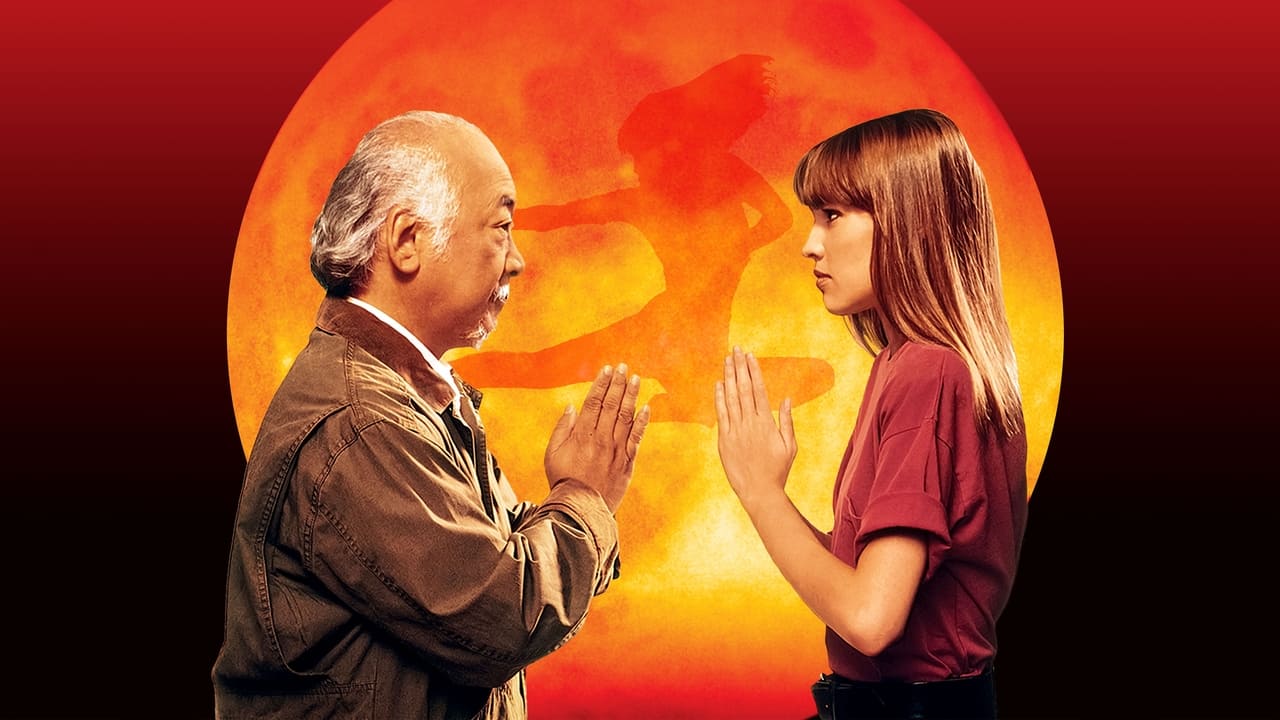
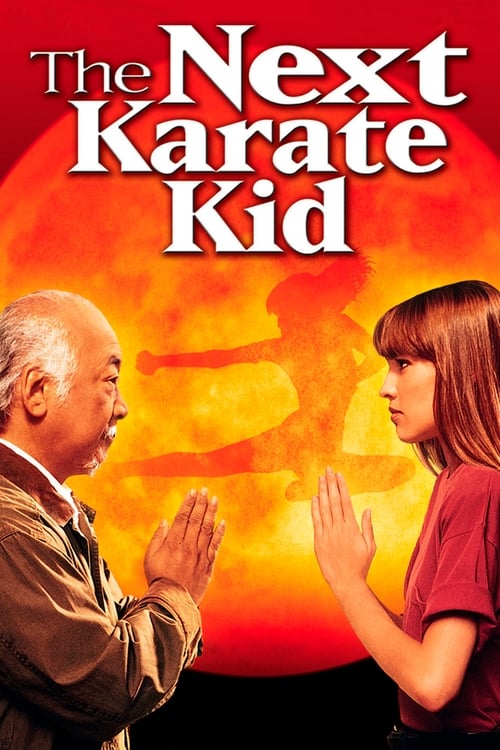
(1994)A grieving teenager named Julie Pierce is sent to spend time with Mr. Miyagi, who helps her work through anger, loss, and school conflict through patient training and practical wisdom. The story mixes martial-arts discipline, bullying, and a mentor-student bond with a light adventure tone.
This sequel has moderate school bullying, threats, and martial-arts violence, along with a few mild profanities. It also carries a meaningful message about grief, self-control, and the kind of strength that serves others rather than dominating them.
The two ratings together point to a family movie with some rough edges and a worthwhile conversation about how grief, anger, and power are handled.
Content Indicators

Reviewed 20 May 2026
Esther handles review quality, clarity, and the practical guidance families need after the credits roll.
The Next Karate Kid Christian Movie Review (1994)
Guidance: Talk Together
This sequel has moderate school bullying, threats, and martial-arts violence, along with a few mild profanities. It also carries a meaningful message about grief, self-control, and the kind of strength that serves others rather than dominating them.
Why This Guidance Level
This film sits in a middle zone for families. The surface content is not extreme, but it does include bullying, threats, some sexual harassment, and a few coarse lines, so younger children may need help processing the tone. The deeper concern is the way the movie treats anger, power, and conflict: it offers some good mentoring and healing, yet it still leans on combat and school dominance as major story forces. That makes it a good candidate for guided viewing and conversation rather than casual, unexamined viewing.
Faith & Worldview Perspective
The movie values patience, loyalty, and healing, and Mr. Miyagi’s mentorship gives the story a steady moral center. At the same time, it presents a world where status, intimidation, and fighting shape school life, so Christian families may want to talk about how real strength looks in the light of Jesus Christ and Christian hope.
Truths Reflected
- Grief can harden into anger if it is not cared for.
- Patient mentorship can help a wounded young person grow.
Tensions to Discuss
- The film treats combat and dominance as normal answers to conflict, which can sit uneasily beside Jesus’ call to peacemaking and self-control.
- It portrays a harsh peer culture and authority structure that can make intimidation feel ordinary rather than something to resist.
Content & Discernment Markers
Occult & Spiritual Content
- Occult material does not stand out here. Mr. Miyagi’s wisdom is rooted in discipline, patience, and practical care rather than supernatural practice, though families may still want to note the film’s Zen-flavored spiritual language and discuss how it differs from Christian hope in Christ.
Sexuality & Relationships
- There is some sexual harassment and flirtatious pressure from peers, including a boy grabbing Julie and pushing her toward a meeting at “the docks.” The moment matters because it shows how the film treats female vulnerability in a rough school environment, and parents may want to discuss respect, boundaries, and dignity.
Identity Themes
- Julie is defined by grief, anger, and the loss of her parents, and she pushes back hard when adults try to manage her pain: “My mother’s name was Susan. She was killed in a car accident with my father.” The film treats identity as something shaped by wounds and relationships, so parents may want to discuss where lasting identity comes from.
Violence & Intensity
- The school setting is marked by bullying, threats, and martial-arts aggression. Colonel Dugan’s language about war and destroying an enemy makes the violence feel ideological, not just physical, and the repeated intimidation gives the movie a harder edge than a simple sports story. Parents may want to discuss the difference between self-defense, revenge, and peacemaking.
Language & Humour
- The language stays fairly mild but includes phrases parents will notice, such as “go to hell,” “damn,” and repeated insults and taunts. The tone is more rude than profane, yet the school banter and bullying language still add to the film’s roughness.
Other Content Notes
- The film’s emotional center is Julie’s grief over her dead parents and Miyagi’s patient effort to help her heal. His line that “Grief trapped in the heart become big anger” captures the movie’s best instinct, and it gives families a natural opening to talk about sorrow, forgiveness, and hope.
Notable Moments
- Grief named plainly: Julie finally says her parents are dead and tells Miyagi to stop trying to replace them. The scene matters because the movie does not hide her pain; it shows how loss can turn into anger when it is not brought into the light.
“My mother’s name was Susan. She was killed in a car accident with my father, and they’re both dead.”
- Miyagi on anger: Miyagi explains that grief can become anger when it stays trapped inside. This is one of the film’s clearest moral moments and a good place for families to talk about sorrow, patience, and healing.
“Grief trapped in the heart become big anger.”
- Threats at school: Ned pressures Julie with a mix of flirtation and intimidation, then steers the conversation toward “the docks.” The scene shows the film’s rough school culture and why boundaries matter.
“Start hanging out with me and my friends… you can have any damn thing that you want.”
- War language in training: Colonel Dugan frames conflict in military terms, talking about destroying enemies and retaliating against graffiti. The moment matters because it turns violence into a mindset, not just an action.
“In a war, you have to be ready and able to destroy your enemy.”
Discussion Prompts
- Grief and anger: What helps a person move from grief and anger toward healing when life hurts deeply?
- Biblical guidance: The Bible treats grief seriously, but it also calls believers to bring pain to God instead of letting anger rule the heart.
- Scripture: Psalm 34:18, Ephesians 4:26-27
- Strength and self-control: How is real strength different from intimidation or winning by force?
- Biblical guidance: Jesus shows that strength can be humble, restrained, and aimed at serving others rather than dominating them.
- Scripture: Galatians 5:22-23, Matthew 5:9
- Respect and boundaries: How should someone respond when another person pressures, mocks, or crosses boundaries?
- Biblical guidance: Scripture calls Christians to honor others, speak truthfully, and protect what is good and pure.
- Scripture: 1 Corinthians 13:4-7, Philippians 4:8
Common questions about The Next Karate Kid
- What age is The Next Karate Kid suitable for?
- The Next Karate Kid suits children of about 9 and older in most families. The main reason is sexual content. There is some sexual harassment and flirtatious pressure from peers, including a boy grabbing Julie and pushing her toward a meeting at "the docks."
- Is The Next Karate Kid okay for a 7-year-old?
- The Next Karate Kid is generally better suited to children of about 9 and up, so a 7-year-old may find parts of it a stretch. There is some sexual harassment and flirtatious pressure from peers, including a boy grabbing Julie and pushing her toward a meeting at "the docks." Families whose children handle sexual content well may still be comfortable watching together.
Age guidance is derived from this review's content findings and the film's official classifications. It is a starting point for your own judgement, not a rule.
Parent comments
Leave a comment on this review
Share a short note on The Next Karate Kid, or help other parents with discernment.
Submit will ask you to sign in first.
Weekend family picks
Get the short family movie list before the weekend
Example newsletter: 3 movies to watch this weekend with your family, plus one question to ask after the credits.
Sample: 3 movies to watch this weekend with your family
One cinema pick, one streaming pick, one conversation-starter pick.
Related Articles
A few bigger-picture reads for parents who want more context than a single review page can hold.
Animal Farm And Talking With Kids About Power, Truth, And Sin
Animal Farm can help older children see how slogans, fear, and corrupted authority distort truth, but parents should frame the story with a biblical view of sin.
Read article
5 Things To Notice In Kids Movies Before The Message Lands
A child can absorb a movie long before they can explain it. These five checkpoints help Christian parents notice what a film is training the heart to love, fear, excuse, or trust.
Read article
How To Talk With Kids About Magic, Fate, And Spiritual Themes In Movies
Many family movies use magic, destiny, spirits, or cosmic balance to drive the story. This article helps Christian parents respond without overreacting, while still drawing clear lines back to biblical truth.
Read articleMore Reviews




Official regional ratings
Local ratings remain available for reference, but LionLens separates those classifications from Christian family discernment.
Review Method
How this review was prepared
LionLens reviews are written with subtitle and dialogue evidence where available, official regional ratings data, source research, and final human editorial review before publication.