
Human Reviewed
Parent feedback
68 families found this review helpful
Christian Movie Review
The NeverEnding Story Christian Movie Review
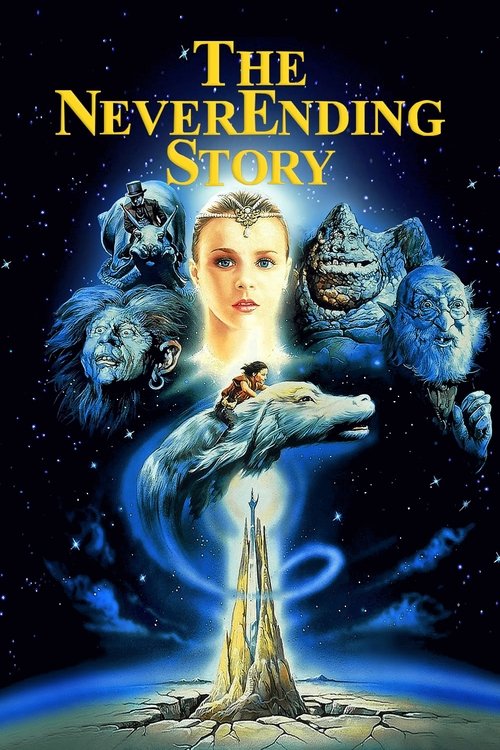
(1984)A lonely boy named Bastian discovers a fantasy novel that draws him into the world of Fantasia, where a young warrior named Atreyu must confront a force called the Nothing. The film blends adventure, grief, and imagination with memorable creatures, peril, and a story about hope under pressure.
This is a thoughtful fantasy with strong themes of courage, imagination, and hope, but it also includes bullying, frightening peril, and a few intense scenes. Christian families may want to talk through the film’s message about self-belief and how it differs from finding identity and hope in Christ.
Use the content rating to gauge the scary and intense moments, and use the Christian guidance rating to weigh the film’s message about identity, hope, and imagination.
Content Indicators

Reviewed 14 May 2026
Esther handles review quality, clarity, and the practical guidance families need after the credits roll.
The NeverEnding Story Christian Movie Review (1984)
Guidance: Talk Together
This is a thoughtful fantasy with strong themes of courage, imagination, and hope, but it also includes bullying, frightening peril, and a few intense scenes. Christian families may want to talk through the film’s message about self-belief and how it differs from finding identity and hope in Christ.
Why This Guidance Level
This film sits in the middle for family discernment. Its content is not extreme, but it does include bullying, scary fantasy danger, grief, and a few unsettling images that may stay with younger viewers. The bigger question for Christian families is the movie’s message: it celebrates imagination and perseverance, but it also places heavy weight on self-belief and inner power, so a parent may want to help children compare that idea with the Christian hope found in God’s care and in Christ.
Faith & Worldview Perspective
The movie honors imagination, courage, and the need to keep going when life feels overwhelming. It also frames personal belief as a kind of saving force, which can sit uneasily beside a Christian view that places ultimate hope in God rather than in the self. Parents may want to discuss how stories can inspire us without becoming our source of identity or rescue.
Truths Reflected
- Courage matters when fear and loss feel overwhelming.
- Stories and imagination can shape the heart in powerful ways.
Tensions to Discuss
- The film leans toward self-belief as the answer, while Christians look to God’s truth and hope in Christ.
- It treats inner imagination as a source of rescue, which can blur the line between human creativity and ultimate spiritual hope.
Content & Discernment Markers
Occult & Spiritual Content
- Fantasia is filled with magical creatures, a mysterious force called the Nothing, and a dying empress whose fate is tied to the world’s survival. The film’s spiritual atmosphere is fantasy-based rather than occult in a strict sense, but parents may want to discuss how its hope is rooted in imagination and inner belief rather than in God’s saving power. Talk with children about where real hope comes from.
Sexuality & Relationships
- Sexual content does not stand out here. The film’s focus stays on adventure, grief, and fantasy peril rather than romance or sexual material.
Identity Themes
- Bastian is mocked as “the weirdo” and “mamma’s boy,” then retreats into books where he can become someone else for a while. The story treats identity as something shaped by courage, imagination, and self-belief, so parents may want to discuss how a child’s worth is grounded in God’s design rather than in peers’ labels. Talk with children about whose voice defines them.
Violence & Intensity
- The film includes bullying that turns physical, with classmates chasing Bastian, threatening him, and throwing him into garbage. In the fantasy world, the Nothing destroys land, characters face dangerous quests, and the story includes frightening creatures and a few intense clashes. Talk with children about fear, bravery, and how stories can handle danger without becoming cruel.
Language & Humour
- Language is mild but includes repeated playground insults and taunts such as “weirdo,” “jerk,” “chicken,” “nutcase,” and “mamma’s boy.” The speech is more teasing than coarse, but the name-calling is persistent enough to notice.
Other Content Notes
- The opening family conversation centers on Bastian’s grief over his mother’s death and his father’s push to “get on with things.” That emotional strain gives the film real weight and may open a good conversation about loss, responsibility, and comfort.
Notable Moments
- Bullying at school: Bastian is mocked, chased, and shoved into garbage by classmates, making the film’s opening feel emotionally rough for younger viewers.
““Hey, it’s the weirdo.””
- The Nothing explained: The fantasy world is threatened by a force that erases land and life, giving the movie a strong sense of peril and loss.
““The Nothing… is destroying our world.””
- Father and grief: Bastian’s father speaks bluntly about moving forward after the mother’s death, which adds emotional realism and sadness to the story.
““We can’t let Mom’s death… be an excuse for not getting the job done, right?””
Discussion Prompts
- Hope and identity: What does the movie say gives a person courage, and how is that different from the hope Christians have in Jesus Christ?
- Biblical guidance: Scripture points us to God as our refuge and strength, not to self-belief alone.
- Scripture: Psalm 46:1, Colossians 3:3
- Grief and comfort: How does Bastian’s grief shape his choices, and what does God offer to people who are hurting?
- Biblical guidance: The Bible treats sorrow seriously and shows God as near to the brokenhearted.
- Scripture: Psalm 34:18, Matthew 5:4
- Words and cruelty: Why do the bullies’ words matter so much in the opening scenes, and how should followers of Christ speak to others instead?
- Biblical guidance: Scripture calls believers to use words that build up rather than tear down.
- Scripture: Ephesians 4:29, James 3:9-10
Common questions about The NeverEnding Story
- What age is The NeverEnding Story suitable for?
- The NeverEnding Story suits children of about 6 and older in most families. The main reason is violence and peril. The film includes bullying that turns physical, with classmates chasing Bastian, threatening him, and throwing him into garbage.
- Is The NeverEnding Story okay for a 4-year-old?
- The NeverEnding Story is generally better suited to children of about 6 and up, so a 4-year-old may find parts of it a stretch. The film includes bullying that turns physical, with classmates chasing Bastian, threatening him, and throwing him into garbage. Families whose children handle violence and peril well may still be comfortable watching together.
Age guidance is derived from this review's content findings and the film's official classifications. It is a starting point for your own judgement, not a rule.
Parent comments
Leave a comment on this review
Share a short note on The NeverEnding Story, or help other parents with discernment.
Submit will ask you to sign in first.
Weekend family picks
Get the short family movie list before the weekend
Example newsletter: 3 movies to watch this weekend with your family, plus one question to ask after the credits.
Sample: 3 movies to watch this weekend with your family
One cinema pick, one streaming pick, one conversation-starter pick.
Related Articles
A few bigger-picture reads for parents who want more context than a single review page can hold.

How To Talk With Kids About Magic, Fate, And Spiritual Themes In Movies
Many family movies use magic, destiny, spirits, or cosmic balance to drive the story. This article helps Christian parents respond without overreacting, while still drawing clear lines back to biblical truth.
Read article
How To Talk With Kids About Dragon magic In Family Movies
A parent-friendly guide to discussing dragon magic in family movies through a Christian lens.
Read article
How To Talk With Kids About Mild fantasy peril In Family Movies
A parent-friendly guide to discussing mild fantasy peril in family movies through a Christian lens.
Read articleMore Reviews


Official regional ratings
Local ratings remain available for reference, but LionLens separates those classifications from Christian family discernment.
Review Method
How this review was prepared
LionLens reviews are written with subtitle and dialogue evidence where available, official regional ratings data, source research, and final human editorial review before publication.