
Human Reviewed
Parent feedback
76 families found this review helpful
Christian Movie Review
The Lord of the Rings: The War of the Rohirrim Christian Movie Review
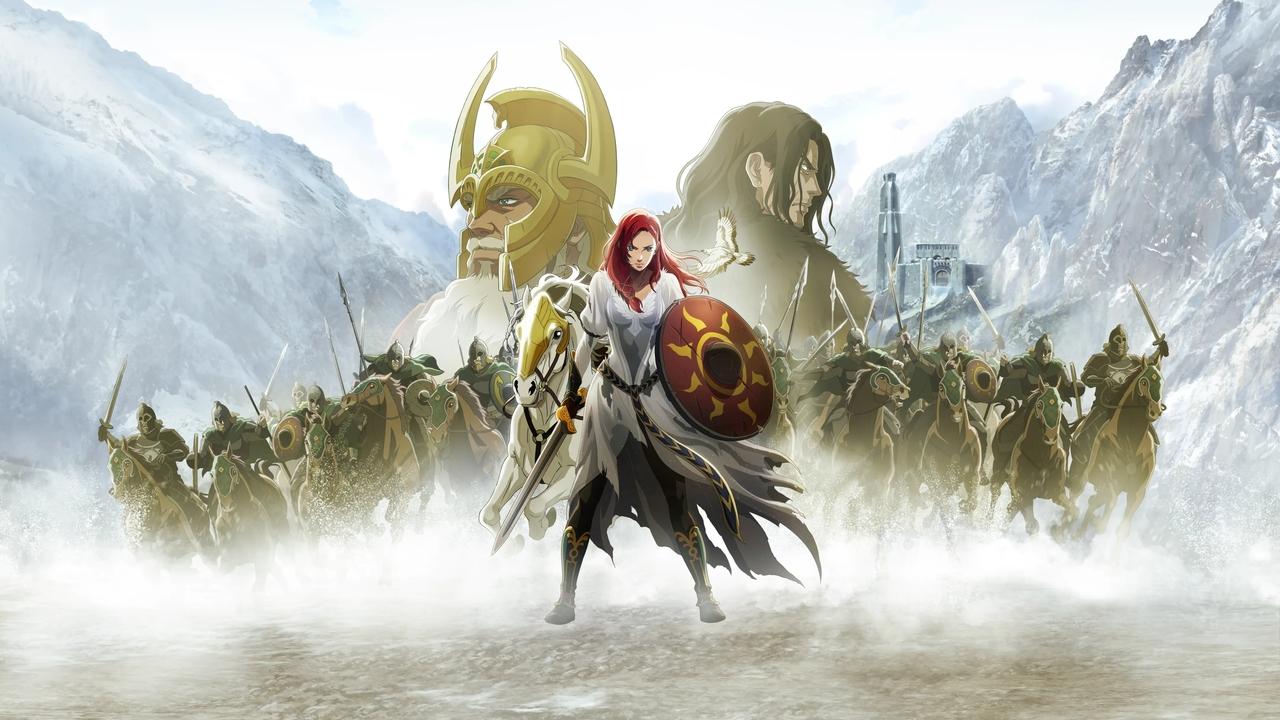
(2024)This animated fantasy drama tells an earlier tale from the world of Middle-earth, centered on Héra, the daughter of Helm, King of Rohan. As political tensions rise, questions of loyalty, marriage, power, and war begin to shape the fate of the kingdom.
This is a serious fantasy war story with clear tension around violence, revenge, and political ambition. For Christian families, the bigger conversation is less about crude content and more about how the film handles power, honor, family authority, and personal choice.
Use the content rating for what children will see and hear, and the Christian guidance rating for what the story may lead you to discuss.
Content Indicators

Reviewed 5 November 2025
Micah covers action, fantasy, and franchise releases, with close attention to violence, spiritual themes, and moral framing.
The Lord of the Rings: The War of the Rohirrim Christian Movie Review (2024)
Guidance: Talk Together
This is a serious fantasy war story with clear tension around violence, revenge, and political ambition. For Christian families, the bigger conversation is less about crude content and more about how the film handles power, honor, family authority, and personal choice.
Why This Guidance Level
This lands in the middle guidance range because the film carries more weight than a light family adventure. Violence and threat are meaningful concerns, but the stronger reason for discussion is the story’s focus on revenge, political power, contested authority, and personal autonomy in marriage and identity. Families may want to talk through those ideas rather than treating them as neutral.
Faith & Worldview Perspective
The story values courage, endurance, and loyalty, and it clearly sees pride and ambition as dangerous. It also gives Héra a strong voice in rejecting being treated as a bargaining piece, which can open a healthy conversation about human dignity. The tension comes when personal choice and inherited honor become the main moral anchors. Christian hope is not found in preserving a bloodline or proving strength, but in truth, humility, and redemption through Jesus Christ. Parents may want to discuss the difference between rightful courage and self-directed independence.
Truths Reflected
- Pride and political ambition can damage families and nations.
- A woman should not be treated as property in a marriage arrangement.
Tensions to Discuss
- The story leans toward personal autonomy as the final authority, which may conflict with a biblical view of freedom under God’s design.
- Honor and legacy can function as near-ultimate goods, while Christian hope rests in Christ rather than family line or human strength.
Content & Discernment Markers
Occult & Spiritual Content
- Occult material does not stand out in the opening scenes. The fantasy setting includes Middle-earth lore, references to Great Eagles, and mention that they speak a language known only to wizards, but this plays as world-building rather than spiritual instruction. Parents may want to remind children that fantasy creatures and lore are different from real spiritual authority, which belongs to God alone.
Sexuality & Relationships
- A major early conflict centers on marriage politics. Freca publicly pushes his son Wulf forward to seek Héra’s hand, and Héra resists being spoken about as if she were not present: “This should be my decision to make.” The scene matters for Christian families because it raises good questions about consent, family authority, and whether marriage is treated as covenant or political leverage.
- Wulf confesses, “I love you,” and Héra answers plainly, “No. I do not want to marry you,” making the emotional tension direct but not sensual. The moment is not sexually charged, but it does frame romance around personal desire, rejection, and wounded pride.
Identity Themes
- Héra is introduced as “wild” and “headstrong,” and the film highlights her skill, independence, and resistance to narrow expectations. Discussion of the Shieldmaidens and whether their banner should be retired also points to changing views of women’s roles in war and leadership. What may conflict with a biblical view is not female courage itself, but the suggestion that self-definition is the clearest path to freedom; Christian parents may want to discuss dignity and calling under Christ.
Violence & Intensity
- The story is built around political hostility and looming war. The opening scenes include talk of famine, war, discontent, and a challenge to the king that carries clear threat. Parents should expect a heavier fantasy conflict than a gentle animated adventure.
- Official ratings and reviews describe sustained battle violence, siege danger, bloody images, and character deaths, including weapon combat and scenes of people in serious peril. Even in animation, this level of war violence is likely to shape the viewing experience for many families.
Language & Humour
- Language is mostly insult-based rather than profane. Characters use cutting phrases such as “lapdog,” “coward,” “faint hearts,” and “filthy upstart,” along with mocking comments about Freca being “fat and prosperous” and having missed “very few meals.” Parents who are sensitive to contemptuous speech may want to discuss how ridicule can fuel conflict.
Other Content Notes
- The film opens with bereavement in Héra’s backstory: “her mother did not live to see the dawn.” That line is brief, but it introduces loss early and gives the story a somber tone.
- Political manipulation is central. Freca frames marriage as a way to “strengthen” Rohan while clearly pressing for influence and power. This may conflict with a biblical view because people are treated as tools for ambition rather than neighbors to love.
Notable Moments
- Opening loss: The narration introduces Héra through grief as well as legend, noting that her mother died when she was born.
“her mother did not live to see the dawn.”
- Marriage as politics: Freca publicly turns Héra’s future into a political proposal by presenting Wulf as a unifying match.
“I, Wulf, son of Freca, come before you, Héra, daughter of Helm… to seek your hand in marriage.”
- Héra asserts agency: Héra objects to being treated like a bargaining piece and insists that the choice should belong to her.
“This should be my decision to make.”
- Rejected confession: Wulf’s personal confession is answered with a direct refusal, sharpening the emotional and political divide.
“I love you. - No. I do not want to marry you.”
Discussion Prompts
- Revenge and wounded pride: When someone feels humiliated or rejected, what makes revenge feel powerful, and why does Scripture warn against it?
- Biblical guidance: The film treats pride and retaliation as major forces. Christians can contrast that with leaving vengeance to God and pursuing self-control.
- Scripture: Romans 12:17-19, Proverbs 16:18, James 1:19-20
- Marriage, consent, and human dignity: What was right about Héra not wanting to be treated like a political prize, and what does the Bible say marriage should be?
- Biblical guidance: Marriage is not a tool for power. Scripture presents it as a covenant marked by love, honor, and willing faithfulness.
- Scripture: Genesis 2:24, Ephesians 5:25, 1 Peter 3:7
- Strength, honor, and true leadership: How does the film define a strong leader, and how is that different from the way Jesus Christ shows authority?
- Biblical guidance: The story admires courage and legacy, but Christian leadership is also humble, sacrificial, and servant-hearted in Christ.
- Scripture: Mark 10:42-45, Micah 6:8, Philippians 2:3-8
- Identity and calling: Is freedom mainly doing whatever feels true to you, or is it learning to live faithfully under God’s design?
- Biblical guidance: The film values self-determination, while Scripture teaches that our truest identity is received from God and shaped by obedience to Him.
- Scripture: Galatians 5:13, Psalm 139:13-16, Colossians 3:17
Common questions about The Lord of the Rings: The War of the Rohirrim
- What age is The Lord of the Rings: The War of the Rohirrim suitable for?
- The Lord of the Rings: The War of the Rohirrim suits children of about 13 and older in most families. That follows its official classification. It is rated M in Australia and New Zealand, and PG-13 in the US. The story is built around political hostility and looming war. Younger viewers may still enjoy it alongside a parent, and it raises worldview questions worth talking through afterwards.
- Is The Lord of the Rings: The War of the Rohirrim okay for an 11-year-old?
- The Lord of the Rings: The War of the Rohirrim is generally better suited to children of about 13 and up, so an 11-year-old may find parts of it a stretch. It is rated M in Australia and New Zealand, and PG-13 in the US. The story is built around political hostility and looming war. Families comfortable watching a little above the classification together may still be fine with it.
Age guidance is derived from this review's content findings and the film's official classifications. It is a starting point for your own judgement, not a rule.
Parent comments
Leave a comment on this review
Share a short note on The Lord of the Rings: The War of the Rohirrim, or help other parents with discernment.
Submit will ask you to sign in first.
Weekend family picks
Get the short family movie list before the weekend
Example newsletter: 3 movies to watch this weekend with your family, plus one question to ask after the credits.
Sample: 3 movies to watch this weekend with your family
One cinema pick, one streaming pick, one conversation-starter pick.
Related Articles
A few bigger-picture reads for parents who want more context than a single review page can hold.
Animal Farm And Talking With Kids About Power, Truth, And Sin
Animal Farm can help older children see how slogans, fear, and corrupted authority distort truth, but parents should frame the story with a biblical view of sin.
Read article
5 Things To Notice In Kids Movies Before The Message Lands
A child can absorb a movie long before they can explain it. These five checkpoints help Christian parents notice what a film is training the heart to love, fear, excuse, or trust.
Read article
How To Talk With Kids About Magic, Fate, And Spiritual Themes In Movies
Many family movies use magic, destiny, spirits, or cosmic balance to drive the story. This article helps Christian parents respond without overreacting, while still drawing clear lines back to biblical truth.
Read articleMore Reviews



Official regional ratings
Local ratings remain available for reference, but LionLens separates those classifications from Christian family discernment.
Review Method
How this review was prepared
LionLens reviews are written with subtitle and dialogue evidence where available, official regional ratings data, source research, and final human editorial review before publication.