Human Reviewed
Parent feedback
26 families found this review helpful
Christian Movie Review
The Little Mermaid Christian Movie Review
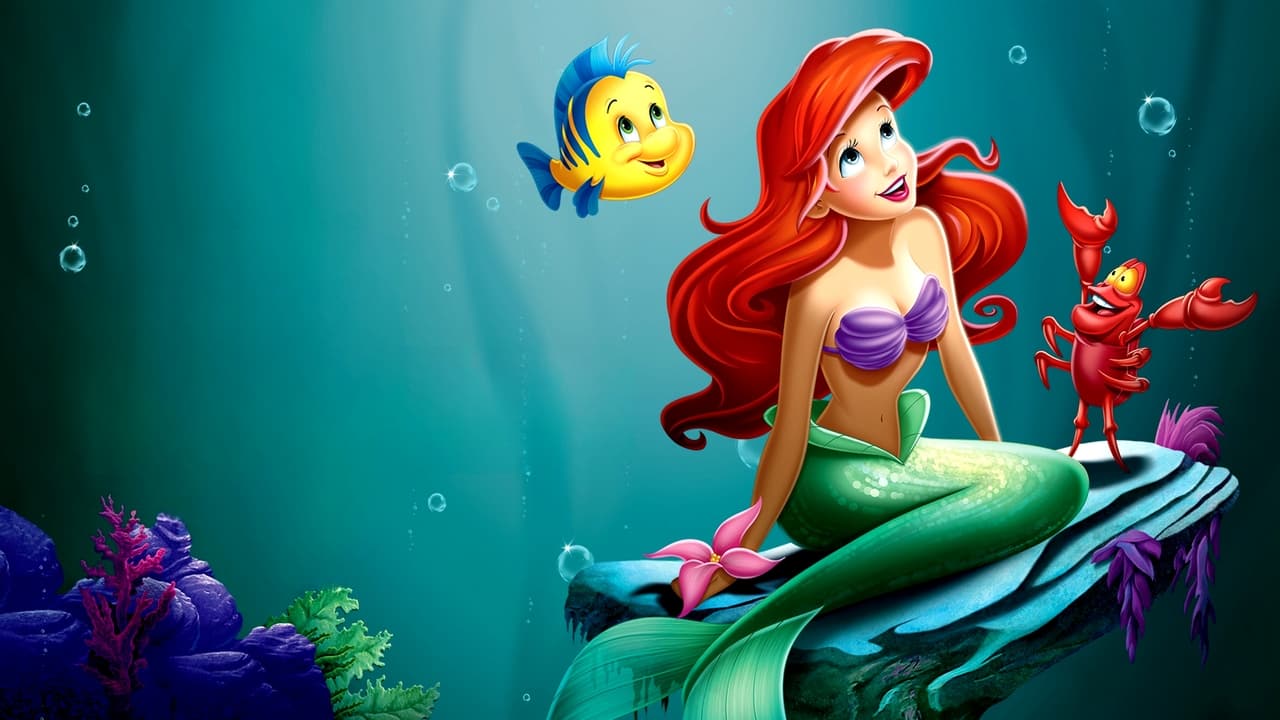
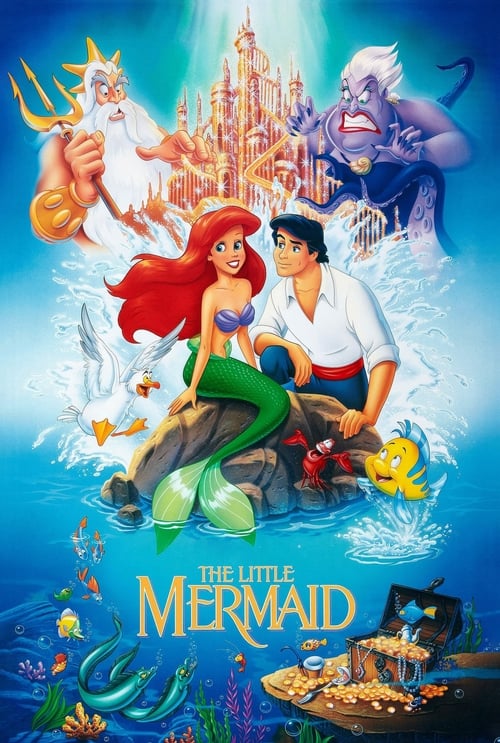
(1989)This animated musical follows Ariel, a young mermaid who longs to explore the human world and falls in love with Prince Eric. Her choices lead her into conflict with her father and into a dangerous bargain with the sea witch Ursula.
This is a bright, classic family film with mild peril, a little romance, and a few scary moments. Christian families may want to talk through Ariel’s disobedience, her willingness to trade away so much for love, and the film’s view of identity and authority.
Use the ratings together: the surface content is mild, while the deeper messages are worth a family conversation.
Content Indicators

Reviewed 7 May 2026
Esther handles review quality, clarity, and the practical guidance families need after the credits roll.
The Little Mermaid Christian Movie Review (1989)
Guidance: Talk Together
This is a bright, classic family film with mild peril, a little romance, and a few scary moments. Christian families may want to talk through Ariel’s disobedience, her willingness to trade away so much for love, and the film’s view of identity and authority.
Why This Guidance Level
This film is gentle on the surface, but it carries enough moral and worldview material to merit a family conversation. The peril is brief and stylized, while the bigger issue is Ariel’s repeated disobedience, her trust in Ursula, and the story’s strong pull toward romantic sacrifice and self-defined identity. That combination does not make the film heavy, but it does make it more than a simple no-concern family watch.
Faith & Worldview Perspective
The movie celebrates curiosity, courage, and longing for belonging, but it also frames freedom as leaving rightful boundaries behind. Ariel’s story gives parents a natural opening to talk about wisdom, obedience, and how Christian hope in Christ offers a better identity than chasing another world or surrendering everything for romance.
Truths Reflected
- Longing for belonging is real and deeply human.
- Protective family concern can come from love, not just control.
Tensions to Discuss
- Ariel treats disobedience as the path to fulfillment rather than something to resist.
- The film elevates romantic desire and self-invention above patient trust in God’s design.
Content & Discernment Markers
Occult & Spiritual Content
- Ursula is a sea witch who uses dark magic, makes a binding bargain, and plots to undo Triton. Her song “Poor Unfortunate Souls” and her manipulation of Ariel give the film its clearest supernatural tension. Parents may want to discuss why trusting a deceptive power is dangerous and how Christian hope in Christ stands apart from bargains with darkness.
Sexuality & Relationships
- Ariel’s crush on Prince Eric drives the story, especially in “Part of Your World,” where she longs to be with him and give up her place in the sea. The romance stays sweet rather than explicit, but it is central enough that parents may want to discuss whether love is being treated as the highest goal.
Identity Themes
- Ariel feels trapped by her life under the sea and sings, “I wanna be where the people are” and “Part of that world.” The film presents identity as something found by leaving home and becoming someone else, so parents may want to discuss contentment, calling, and where true belonging comes from.
Violence & Intensity
- A shark chase, storm danger, and the final showdown with Ursula bring real tension, though the action stays stylized and family-friendly. Flounder’s panic, Eric’s near-drowning, and Ursula’s giant threat create the film’s scariest stretch, so parents may want to prepare younger children for those scenes.
Language & Humour
- Language is light overall, with a few sharp words and insults such as “idiot,” “tramp,” and Triton’s angry commands like “Not another word!” The tone is more stern than crude, but parents may still want to note the harsh family conflict.
Other Content Notes
- Triton’s discipline is intense, especially when he says, “As long as you live under my ocean, you’ll obey my rules!” The scene matters because it frames the parent-child conflict at the center of the story, and parents may want to discuss both authority and the difference between protection and control.
Notable Moments
- Shark panic: Ariel and Flounder are chased by a shark in a tense underwater sequence that briefly turns playful adventure into real fear.
“Shark! Shark! We’re gonna die!”
- Father-daughter clash: Triton angrily confronts Ariel after she goes to the surface again, making the film’s authority conflict very clear.
“As long as you live under my ocean, you’ll obey my rules!”
- Ursula’s scheme: Ursula frames Ariel as the key to Triton’s downfall, showing the danger of trusting a manipulative voice.
“She may be the key to Triton’s undoing.”
- Longing for another world: Ariel’s signature song captures her desire to leave the sea and belong somewhere else.
“I wanna be where the people are”
Discussion Prompts
- Desire and contentment: What do you think Ariel wants most, and what does the film say will make her happy?
- Biblical guidance: Scripture teaches that our deepest satisfaction is found in the Lord, not in chasing a different life or place.
- Scripture: Psalm 16:11, Philippians 4:11-13
- Authority and obedience: When does Ariel cross a line with her father, and how can children honor parents even when they disagree?
- Biblical guidance: The Bible calls children to honor their parents while also showing that authority should be exercised with love and wisdom.
- Scripture: Ephesians 6:1-3, Colossians 3:20
- Trusting the wrong voice: Why is Ursula’s offer so tempting, and what makes her a dangerous guide?
- Biblical guidance: Christians are warned not to trust deceptive voices; Jesus Christ is the true and trustworthy shepherd.
- Scripture: John 10:11, Matthew 7:15
- Love and sacrifice: What does Ariel give up for love, and how is that different from the way Jesus gives Himself for us?
- Biblical guidance: The gospel shows Christ’s self-giving love as holy and saving, not as a bargain that asks us to abandon wisdom or truth.
- Scripture: John 15:13, Ephesians 5:25
Common questions about The Little Mermaid
- What age is The Little Mermaid suitable for?
- The Little Mermaid suits children of about 6 and older in most families. The main reason is violence and peril. A shark chase, storm danger, and the final showdown with Ursula bring real tension, though the action stays stylized and family-friendly. Younger viewers may still enjoy it alongside a parent, and it raises worldview questions worth talking through afterwards.
- Is The Little Mermaid okay for a 4-year-old?
- The Little Mermaid is generally better suited to children of about 6 and up, so a 4-year-old may find parts of it a stretch. A shark chase, storm danger, and the final showdown with Ursula bring real tension, though the action stays stylized and family-friendly. Families whose children handle violence and peril well may still be comfortable watching together.
Age guidance is derived from this review's content findings and the film's official classifications. It is a starting point for your own judgement, not a rule.
Parent comments
Leave a comment on this review
Share a short note on The Little Mermaid, or help other parents with discernment.
Submit will ask you to sign in first.
Weekend family picks
Get the short family movie list before the weekend
Example newsletter: 3 movies to watch this weekend with your family, plus one question to ask after the credits.
Sample: 3 movies to watch this weekend with your family
One cinema pick, one streaming pick, one conversation-starter pick.
Related Articles
A few bigger-picture reads for parents who want more context than a single review page can hold.

Animal Farm And Talking With Kids About Power, Truth, And Sin
Animal Farm can help older children see how slogans, fear, and corrupted authority distort truth, but parents should frame the story with a biblical view of sin.
Read article
Disney And Pixar Films For Christian Families: Why They Still Need Discernment
Disney and Pixar films often feel safer than they really are. This guide helps Christian parents notice the spiritual assumptions, emotional messages, and identity themes that can slip past a quick first impression.
Read article
5 Things To Notice In Kids Movies Before The Message Lands
A child can absorb a movie long before they can explain it. These five checkpoints help Christian parents notice what a film is training the heart to love, fear, excuse, or trust.
Read articleMore Reviews



Official regional ratings
Local ratings remain available for reference, but LionLens separates those classifications from Christian family discernment.
Review Method
How this review was prepared
LionLens reviews are written with subtitle and dialogue evidence where available, official regional ratings data, source research, and final human editorial review before publication.