Human Reviewed
Parent feedback
68 families found this review helpful
Christian Movie Review
The Lion, the Witch and the Wardrobe Christian Movie Review
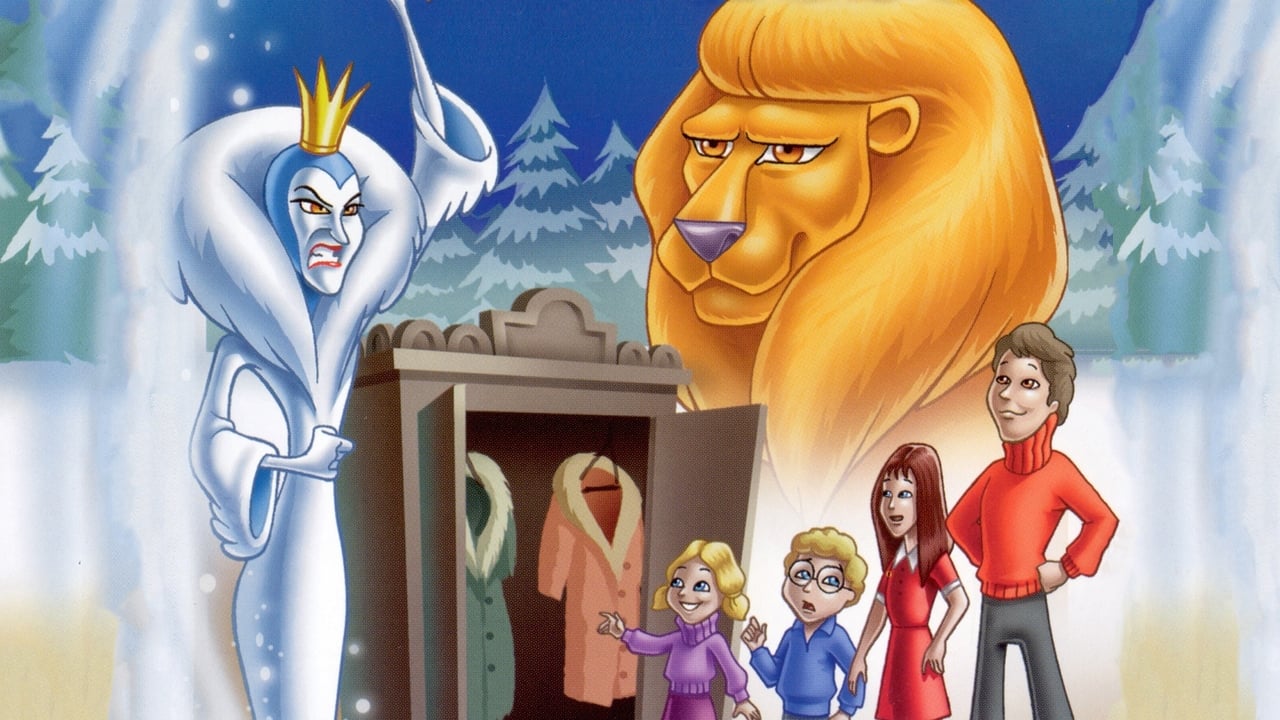
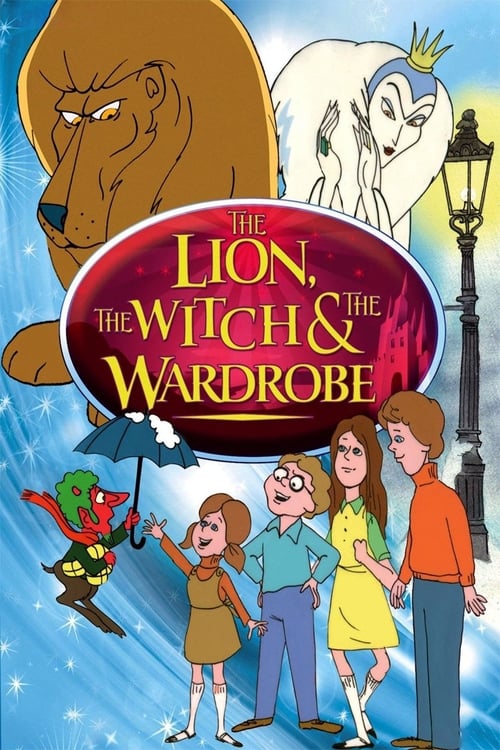
(1979)This animated adaptation of C.S. Lewis's classic follows the Pevensie children as they enter Narnia through a wardrobe and find a land trapped in winter under the rule of the White Witch. As they learn their place in Narnia's story, they face betrayal, danger, and a final struggle over who will rule the land.
Surface content is fairly mild for a fantasy adventure, with battle scenes, threat, and sad moments around death. The bigger area for family discernment is the film's use of witchcraft, ancient magic, prophecy, and its strong themes of sacrifice, betrayal, forgiveness, and rightful authority.
Use the content rating for intensity and the Christian guidance rating for worldview and spiritual discussion.
Content Indicators

Reviewed 1 May 2026
Rachel focuses on animated films, family viewing habits, and helping parents spot worldview themes quickly.
The Lion, the Witch and the Wardrobe Christian Movie Review (1979)
Guidance: Talk Together
Surface content is fairly mild for a fantasy adventure, with battle scenes, threat, and sad moments around death. The bigger area for family discernment is the film’s use of witchcraft, ancient magic, prophecy, and its strong themes of sacrifice, betrayal, forgiveness, and rightful authority.
Why This Guidance Level
This lands in the middle category because the film’s surface content is fairly restrained, but its fantasy spirituality and weighty themes invite real conversation. The witch, spells, ancient magic, prophecy, betrayal, and sacrificial death are central to the story, so many families will benefit from watching with discussion rather than treating it as simple background entertainment.
Faith & Worldview Perspective
The film offers strong moral clarity: evil is evil, betrayal has consequences, courage matters, and sacrificial love brings hope. At the same time, the story world is built around witchcraft, ancient magic, and prophecy, which are not Christian sources of truth or power. Christian families may want to discuss how this fantasy points toward themes Christians recognize most fully in Jesus Christ while also making clear that magic itself is not where real hope or authority comes from.
Truths Reflected
- Sacrificial love for others is presented as noble and life-giving.
- Betrayal, forgiveness, courage, and rightful authority are treated with moral seriousness.
Tensions to Discuss
- The story uses witchcraft, spells, and ancient magic as part of its world, which may conflict with a biblical view because spiritual power is framed through fantasy magic rather than through God.
- Prophecy and destiny shape the plot in ways that may need discussion so children do not confuse storybook magic with Christian truth and hope in Christ.
Content & Discernment Markers
Occult & Spiritual Content
- The story centers on the White Witch, whose rule over Narnia is tied to spells, ancient magic, and a magical world entered through a wardrobe. This matters for Christian families because the film treats supernatural power as part of the fantasy setting, so parents may want to discuss the difference between literary fantasy and trust in Jesus Christ.
- Prophecy and mystical authority shape the children’s role in Narnia and the conflict over the throne. Parents may want to talk about how stories can use prophecy symbolically without replacing God’s revealed truth in Scripture.
Sexuality & Relationships
- Sexual content does not stand out here. Relationships are framed around family loyalty, betrayal, forgiveness, and protection rather than romance.
Identity Themes
- The children are told they have a special place in Narnia’s story and must grow into courage and responsibility. This can open a helpful conversation about identity being received with humility and used in service, not self-importance.
Violence & Intensity
- There is fantasy battle material involving the White Witch’s conflict with Narnia’s defenders, including threat and combat in an animated style. The danger is real within the story, but the intensity is generally in line with a family fantasy adventure.
- A central death scene involving Aslan carries emotional weight and sadness, especially for younger viewers. Parents may want to prepare children for grief, sacrifice, and the later turn toward restoration.
- Some frightening imagery is tied to the Witch’s power and the frozen state of Narnia, which may unsettle very young or sensitive children.
Language & Humour
- Language concerns do not stand out as a major issue in this film, and no notable profanity or crude humor is a defining part of the experience from the material reviewed.
Other Content Notes
- A pipe-smoking professor is noted in the story’s early setting. It is not a major focus, but some parents may still prefer to note the presence of smoking imagery.
Notable Moments
- Edmund’s betrayal: Edmund is drawn into the White Witch’s influence and betrays his siblings, setting the moral conflict in motion.
- Aslan’s sacrifice: A major turning point centers on Aslan giving himself over in place of another, followed by a sorrowful death scene that carries the film’s deepest emotional weight.
- Battle for Narnia: The story builds toward a final confrontation over Narnia’s future, with fantasy battle action and the defeat of the Witch’s side.
Discussion Prompts
- Betrayal and forgiveness: What did Edmund’s choices do to his family, and what does forgiveness look like after someone has caused real harm?
- Biblical guidance: Scripture treats sin seriously but also points us toward repentance, mercy, and restored relationship.
- Scripture: Luke 15:11-24, Ephesians 4:32
- Sacrificial love: Why does a story about someone giving his life for another feel so powerful, and how does that help us understand love?
- Biblical guidance: The film’s sacrifice theme can lead to a conversation about the greater reality of Jesus Christ laying down His life for sinners.
- Scripture: John 15:13, Romans 5:8
- Magic in fantasy stories: How is the magic in Narnia different from real spiritual truth, and where should Christians look for power, wisdom, and hope?
- Biblical guidance: Christians reject occult power and trust God alone, even when a story uses fantasy elements to tell a moral tale.
- Scripture: Deuteronomy 18:10-12, James 1:5
- Courage under pressure: What helps the children act bravely when they are afraid, and what does Christian courage look like in real life?
- Biblical guidance: Biblical courage is not pretending fear is gone; it is trusting God and doing what is right.
- Scripture: Joshua 1:9, 2 Timothy 1:7
Common questions about The Lion, the Witch and the Wardrobe
- What age is The Lion, the Witch and the Wardrobe suitable for?
- The Lion, the Witch and the Wardrobe suits children of about 8 and older in most families. That follows its official classification. It is rated PG in New Zealand and the UK. There is fantasy battle material involving the White Witch's conflict with Narnia's defenders, including threat and combat in an animated style. Younger viewers may still enjoy it alongside a parent, and it raises worldview questions worth talking through afterwards.
- Is The Lion, the Witch and the Wardrobe okay for a 6-year-old?
- The Lion, the Witch and the Wardrobe is generally better suited to children of about 8 and up, so a 6-year-old may find parts of it a stretch. It is rated PG in New Zealand and the UK. There is fantasy battle material involving the White Witch's conflict with Narnia's defenders, including threat and combat in an animated style. Families comfortable watching a little above the classification together may still be fine with it.
Age guidance is derived from this review's content findings and the film's official classifications. It is a starting point for your own judgement, not a rule.
Parent comments
Leave a comment on this review
Share a short note on The Lion, the Witch and the Wardrobe, or help other parents with discernment.
Submit will ask you to sign in first.
Weekend family picks
Get the short family movie list before the weekend
Example newsletter: 3 movies to watch this weekend with your family, plus one question to ask after the credits.
Sample: 3 movies to watch this weekend with your family
One cinema pick, one streaming pick, one conversation-starter pick.
Related Articles
A few bigger-picture reads for parents who want more context than a single review page can hold.

How To Talk With Kids About Magic, Fate, And Spiritual Themes In Movies
Many family movies use magic, destiny, spirits, or cosmic balance to drive the story. This article helps Christian parents respond without overreacting, while still drawing clear lines back to biblical truth.
Read article
How To Talk With Kids About Dragon magic In Family Movies
A parent-friendly guide to discussing dragon magic in family movies through a Christian lens.
Read article
How To Talk With Kids About Mild fantasy peril In Family Movies
A parent-friendly guide to discussing mild fantasy peril in family movies through a Christian lens.
Read articleMore Reviews

Official regional ratings
Local ratings remain available for reference, but LionLens separates those classifications from Christian family discernment.
Review Method
How this review was prepared
LionLens reviews are written with subtitle and dialogue evidence where available, official regional ratings data, source research, and final human editorial review before publication.