Human Reviewed
Parent feedback
30 families found this review helpful
Christian Movie Review
The Lion King Christian Movie Review
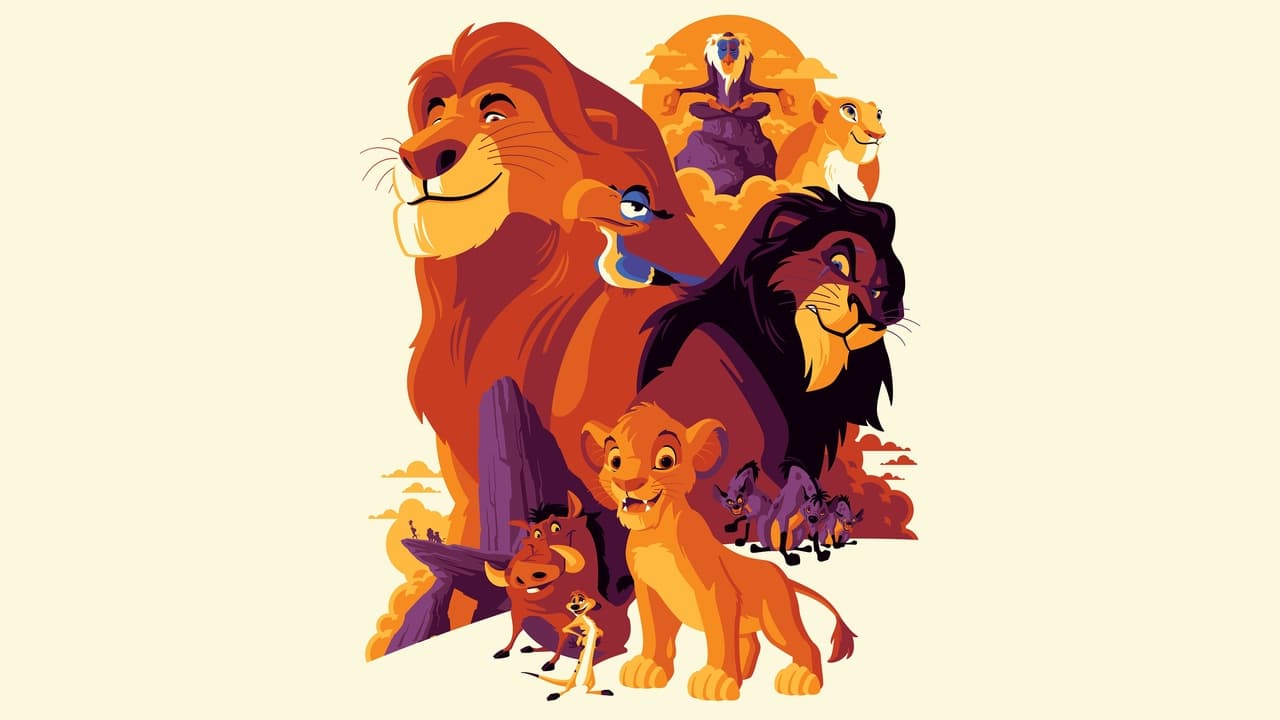
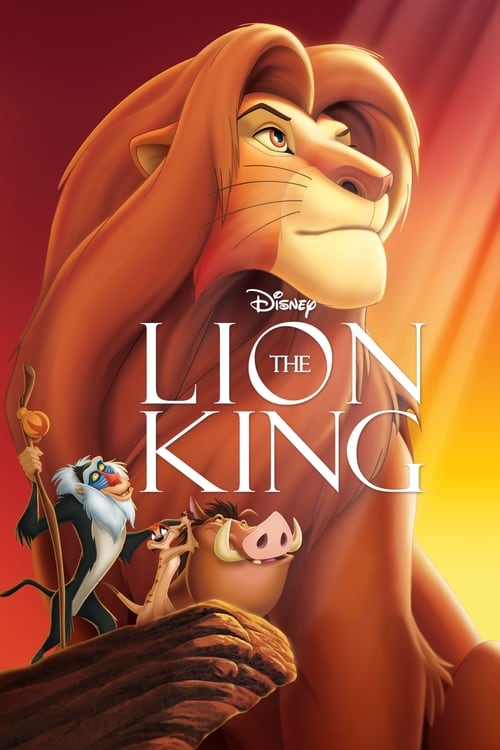
(1994)Young lion prince Simba, eager to one day become king of the Pride Lands, grows up under the watchful eye of his father Mufasa; all the while his villainous uncle Scar conspires to take the throne for himself. Amid betrayal and tragedy, Simba must confront his past and find his rightful place in the Circle of Life.
This animated classic carries strong themes of responsibility, leadership, and the consequences of envy, but it also includes predator danger, threatening dialogue, and a spiritualized view of life and death that differs from a biblical worldview. Many families will find it approachable, though younger children may need help processing its darker moments and worldview ideas.
Start with the content rating, then use the Christian guidance rating to decide how much conversation your family may need.
Content Indicators

Reviewed 11 March 2026
Micah covers action, fantasy, and franchise releases, with close attention to violence, spiritual themes, and moral framing.
The Lion King Christian Movie Review (1994)
Guidance: Talk Together
This animated classic carries strong themes of responsibility, leadership, and the consequences of envy, but it also includes predator danger, threatening dialogue, and a spiritualized view of life and death that differs from a biblical worldview. Many families will find it approachable, though younger children may need help processing its darker moments and worldview ideas.
Why This Guidance Level
The film is broadly family-accessible, but it is not weightless. Threats of being eaten, predator-prey violence, tense confrontations, and repeated talk about death can unsettle younger viewers. It also presents a “circle of life” explanation for death and connectedness that may need gentle biblical clarification, making this a good fit for conversation rather than passive viewing.
Faith & Worldview Perspective
The story reflects meaningful truths about courage, sacrificial leadership, and the damage caused by pride and jealousy. At the same time, its central “circle of life” language frames life, death, and meaning in a more naturalistic and spiritualized way than Scripture does. Christian families may appreciate the moral clarity around responsibility and evil while also discussing how creation points to God rather than functioning as its own spiritual system.
Truths Reflected
- Leadership is presented as service and protection, not selfish grasping.
- Jealousy, deceit, and hunger for power are shown as destructive.
Tensions to Discuss
- The film’s view of death and connectedness can sound spiritually true without pointing to the Creator or biblical hope.
- Its moral framework is strong, but its spiritual language may blur the difference between creation and God.
Content & Discernment Markers
Occult & Spiritual Content
- Spiritual material does not center on magic or occult practice, but the opening song and later teaching about life and death frame existence through a broad “circle of life” idea. Mufasa tells Simba, “When we die, our bodies become the grass… and the antelope eat the grass… and so we are all connected in the great circle of life.” A Christian parent may want to discuss how creation is interconnected while also affirming that God is Creator and human hope is not merely returning to nature.
Sexuality & Relationships
- Sexual content does not stand out here. The only notable material in the excerpt is light wordplay in Zazu’s report: “Two giraffe were caught necking,” which functions as a mild joke adults may notice more than children.
Identity Themes
- Identity is tied mainly to calling, family role, and future leadership. Simba is told, “One day… the sun will set on my time here… and will rise with you as the new king,” and “It belongs to no one, but will be yours to protect.” This can open good conversation about receiving responsibility humbly rather than treating identity as self-invented.
Violence & Intensity
- Predator danger is present from the start. Scar toys with a mouse while saying, “Life’s not fair… While some are born to feast… others spend their lives in the dark, begging for scraps,” creating a threatening tone around being hunted and eaten.
- A tense scene shows Scar threatening Zazu with predatory aggression: “Are you hungry, Zazu? Perhaps we could have a bite together!” followed by growling, yelping, and pleas like “You can’t eat me!” and “No, please! Stop it!” The moment is played with some humor, but the threat is still clear for children.
- Conflict between animals is treated as part of the world. Mufasa trains Simba to hunt with lines like “wait for the perfect moment to pounce,” and Zazu warns, “Hyenas in the Pride Lands. They’re on the hunt!” This matters for families with sensitive younger viewers because danger is woven into the story’s normal rhythm.
- There is verbal menace between brothers when Scar says, “perhaps you shouldn’t turn your back on me,” and Mufasa responds, “Is that a challenge?” The exchange signals betrayal and hostility even before overt violence appears.
Language & Humour
- Language is generally clean. Humor leans on sarcasm and animal puns, including “You’ve made me lose my lunch,” “His Royalness,” “the lion’s share,” “caught necking,” and “the baboons are going ape.” There is no notable profanity in the film.
Other Content Notes
- Death and mortality are discussed directly in a reflective father-son conversation. Mufasa explains, “When we die, our bodies become the grass,” which may prompt questions from children about what happens after death.
- The opening song includes emotionally weighty lines such as “Through despair and hope” and “Through faith and love.” The tone is beautiful but more serious than many light children’s films.
Notable Moments
- Opening worldview song: The film opens with sweeping music about life’s meaning, place, and connectedness, setting a spiritual tone before the story begins.
“It’s the circle of life… And it moves us all… Through despair and hope… Through faith and love”
- Scar threatens Zazu: Scar’s menace is established early when he jokes about eating Zazu and the scene turns tense with growls and frightened protests.
“Are you hungry, Zazu? Perhaps we could have a bite together!”
- Leadership as stewardship: Mufasa frames kingship as protection rather than possession, giving the story one of its clearest moral anchors.
“It belongs to no one, but will be yours to protect. A great responsibility.”
- Death explained naturally: Mufasa explains death through the ecosystem, which is thoughtful but not distinctly biblical.
“When we die, our bodies become the grass… and the antelope eat the grass… and so we are all connected in the great circle of life.”
Discussion Prompts
- Leadership and service: Mufasa says a ruler should protect rather than simply take. How is that different from the way Scar seems to think about power?
- Biblical guidance: Scripture presents authority as service, stewardship, and care for others rather than selfish control.
- Scripture: Mark 10:42-45, Psalm 78:72
- Jealousy and the heart: What do you notice in Scar’s words and attitude? How can jealousy grow into harmful choices if it is left unchecked?
- Biblical guidance: The Bible warns that envy and selfish ambition produce disorder and evil actions.
- Scripture: James 3:14-16, Proverbs 14:30
- What happens after death?: The movie talks about death as becoming part of nature again. How is that different from the Christian hope about life, death, and belonging to God?
- Biblical guidance: Christians can affirm that our bodies return to dust while also teaching that our lives are held by God and that resurrection hope is found in Christ.
- Scripture: Genesis 3:19, John 11:25-26, 1 Thessalonians 4:13-14
- Creation and the Creator: The film says everything is connected in the circle of life. In what ways is that partly true, and what does the Bible add about who made and sustains the world?
- Biblical guidance: Creation is ordered and interconnected, but it is not ultimate; it points beyond itself to the Lord who made it.
- Scripture: Colossians 1:16-17, Psalm 24:1, Romans 1:20
Common questions about The Lion King
- What age is The Lion King suitable for?
- The Lion King suits children of about 6 and older in most families. The main reason is violence and peril. Predator danger is present from the start.
- Is The Lion King okay for a 4-year-old?
- The Lion King is generally better suited to children of about 6 and up, so a 4-year-old may find parts of it a stretch. Predator danger is present from the start. Families whose children handle violence and peril well may still be comfortable watching together.
Age guidance is derived from this review's content findings and the film's official classifications. It is a starting point for your own judgement, not a rule.
Parent comments
Leave a comment on this review
Share a short note on The Lion King, or help other parents with discernment.
Submit will ask you to sign in first.
Weekend family picks
Get the short family movie list before the weekend
Example newsletter: 3 movies to watch this weekend with your family, plus one question to ask after the credits.
Sample: 3 movies to watch this weekend with your family
One cinema pick, one streaming pick, one conversation-starter pick.
Related Articles
A few bigger-picture reads for parents who want more context than a single review page can hold.

How To Talk With Kids About Magic, Fate, And Spiritual Themes In Movies
Many family movies use magic, destiny, spirits, or cosmic balance to drive the story. This article helps Christian parents respond without overreacting, while still drawing clear lines back to biblical truth.
Read article
How To Talk With Kids About Dragon magic In Family Movies
A parent-friendly guide to discussing dragon magic in family movies through a Christian lens.
Read article
How To Talk With Kids About Mild fantasy peril In Family Movies
A parent-friendly guide to discussing mild fantasy peril in family movies through a Christian lens.
Read articleMore Reviews


Official regional ratings
Local ratings remain available for reference, but LionLens separates those classifications from Christian family discernment.
Review Method
How this review was prepared
LionLens reviews are written with subtitle and dialogue evidence where available, official regional ratings data, source research, and final human editorial review before publication.