

Human Reviewed
Parent feedback
81 families found this review helpful
Christian Movie Review
The Lion King 1½ Christian Movie Review
(2004)This animated comedy retells parts of The Lion King from Timon and Pumbaa’s perspective, using a playful backstage style and plenty of self-aware humor. The story follows Timon’s frustration with his place in meerkat society, his friendship with Pumbaa, and their role around the larger Lion King events.
Surface content stays light for most families, with mild peril, chase anxiety, and broad comic humor. The bigger value for Christian parents is discussing self-focused independence, community responsibility, and where true identity and purpose are found.
Use the content rating for what children will see and hear, and the Christian guidance rating for what the story may prompt you to talk through afterward.
Content Indicators

Reviewed 27 March 2026
Rachel focuses on animated films, family viewing habits, and helping parents spot worldview themes quickly.
The Lion King 1½ Christian Movie Review (2004)
Guidance: Talk Together
Surface content stays light for most families, with mild peril, chase anxiety, and broad comic humor. The bigger value for Christian parents is discussing self-focused independence, community responsibility, and where true identity and purpose are found.
Why This Guidance Level
This lands in the middle because the surface content is light, but the story gives parents worthwhile material to discuss about selfish ambition, belonging, fear, and responsibility to others. It is less about objectionable content and more about helping children think clearly about the film’s moral direction.
Faith & Worldview Perspective
The movie celebrates friendship, loyalty, and the desire to belong, which reflect real truths about how people are made for relationship. At the same time, Timon’s early outlook leans toward escape and self-protection rather than sacrificial responsibility. The film’s natural-order language and comic philosophy are not spiritually heavy, but Christian families may want to contrast survival-driven thinking with the hope, purpose, and self-giving love found in Jesus Christ. Parents may want to discuss how God gives each person value and responsibility even when a role feels small.
Truths Reflected
- Friendship and mutual care matter.
- Living only for yourself harms community.
Tensions to Discuss
- The story flirts with a self-first mindset before correcting it, which may need discussion about serving others.
- Meaning is often framed around survival and fitting in rather than identity rooted in God and hope in Christ.
Content & Discernment Markers
Occult & Spiritual Content
- Occult material does not stand out here. A brief comic use of the word “Hallelujah” appears in a work-song setting rather than in spiritual teaching or supernatural content.
Sexuality & Relationships
- Sexual content is not a meaningful factor in this film. Relationships are handled in a family-friendly, non-sensual way.
Identity Themes
- Timon resists the role his family and colony expect from him and complains that life is only about digging and hiding. His longing for “a better home” can open a good conversation about the difference between godly purpose and simply chasing comfort or freedom from responsibility. Parents may want to discuss where identity comes from.
Violence & Intensity
- The main tension comes from predator-prey danger and fear of hyenas. The meerkats repeatedly sing “Quick, before the hyena come,” and the colony lives in a constant state of alertness, which may feel tense for very young viewers even though the tone stays comic.
- A sentry-training sequence builds anxiety around watching for danger, with lines like “Somebody’s got to guard us! Somebody’s gotta protect us!” The scene matters because it frames fear and survival as part of Timon’s world, though it remains stylized and child-accessible.
Language & Humour
- Language is mild and mostly comic. Characters use teasing put-downs such as “tunnel klutz,” and Timon speaks sarcastically about their “pathetic existence.” The humor is more snarky than coarse, but parents of younger children may still want to note the mocking tone.
Other Content Notes
- The film uses broad bodily and food-chain humor, including lines like “What’s on the menu?” and “Stinky-oo, it’s Pumbaa.” This is light, silly comedy rather than crude material, but it helps set the irreverent tone.
- One darkly comic line says, “Why don’t you save the hyenas the trouble and kill me now? Just kill me now.” It is played for exaggerated humor, not self-harm instruction, but Christian families may want to discuss speaking truthfully and not joking carelessly about death.
Notable Moments
- Meta opening comedy: Timon and Pumbaa interrupt the familiar story and decide to retell it from their own perspective.
“I’ve got the remote.”
- Meerkat fear culture: The tunnel song repeatedly ties daily life to fear of predators and constant hiding.
“Quick, before the hyena come”
- Community responsibility: Timon is corrected after damaging the tunnels, and the colony stresses mutual dependence.
“We have to look after each other. Our survival depends on it.”
- Dark comic exaggeration: Timon reacts dramatically to being assigned sentry duty.
“Why don’t you save the hyenas the trouble and kill me now? Just kill me now.”
Discussion Prompts
- Self-interest versus serving others: When Timon gets tired of helping the colony, what is the difference between wanting something better and refusing responsibility?
- Biblical guidance: Scripture calls us to look not only to our own interests but also to the interests of others.
- Scripture: Philippians 2:3-4, Galatians 5:13
- Belonging and identity: What makes someone valuable when they feel out of place or unimportant?
- Biblical guidance: Our worth is not based on status or usefulness alone; we are made by God and can find lasting identity in Jesus Christ.
- Scripture: Psalm 139:13-14, Ephesians 2:10
- Fear and trust: How do the meerkats respond to danger, and how is that different from trusting God when we feel afraid?
- Biblical guidance: The Bible does not deny fear, but it points us to courage and trust in the Lord’s care.
- Scripture: Isaiah 41:10, Psalm 56:3-4
- Words and exaggerated humor: Why might joking about death or speaking dramatically in frustration be unwise, even in a funny scene?
- Biblical guidance: Christians are called to use words that are truthful, gracious, and life-giving.
- Scripture: Ephesians 4:29, Proverbs 18:21
Common questions about The Lion King 1½
- What age is The Lion King 1½ suitable for?
- The Lion King 1½ suits children of about 6 and older in most families. The main reason is violence and peril. The main tension comes from predator-prey danger and fear of hyenas.
- Is The Lion King 1½ okay for a 4-year-old?
- The Lion King 1½ is generally better suited to children of about 6 and up, so a 4-year-old may find parts of it a stretch. The main tension comes from predator-prey danger and fear of hyenas. Families whose children handle violence and peril well may still be comfortable watching together.
Age guidance is derived from this review's content findings and the film's official classifications. It is a starting point for your own judgement, not a rule.
Parent comments
Leave a comment on this review
Share a short note on The Lion King 1½, or help other parents with discernment.
Submit will ask you to sign in first.
Weekend family picks
Get the short family movie list before the weekend
Example newsletter: 3 movies to watch this weekend with your family, plus one question to ask after the credits.
Sample: 3 movies to watch this weekend with your family
One cinema pick, one streaming pick, one conversation-starter pick.
Related Articles
A few bigger-picture reads for parents who want more context than a single review page can hold.

How To Talk With Kids About Magic, Fate, And Spiritual Themes In Movies
Many family movies use magic, destiny, spirits, or cosmic balance to drive the story. This article helps Christian parents respond without overreacting, while still drawing clear lines back to biblical truth.
Read article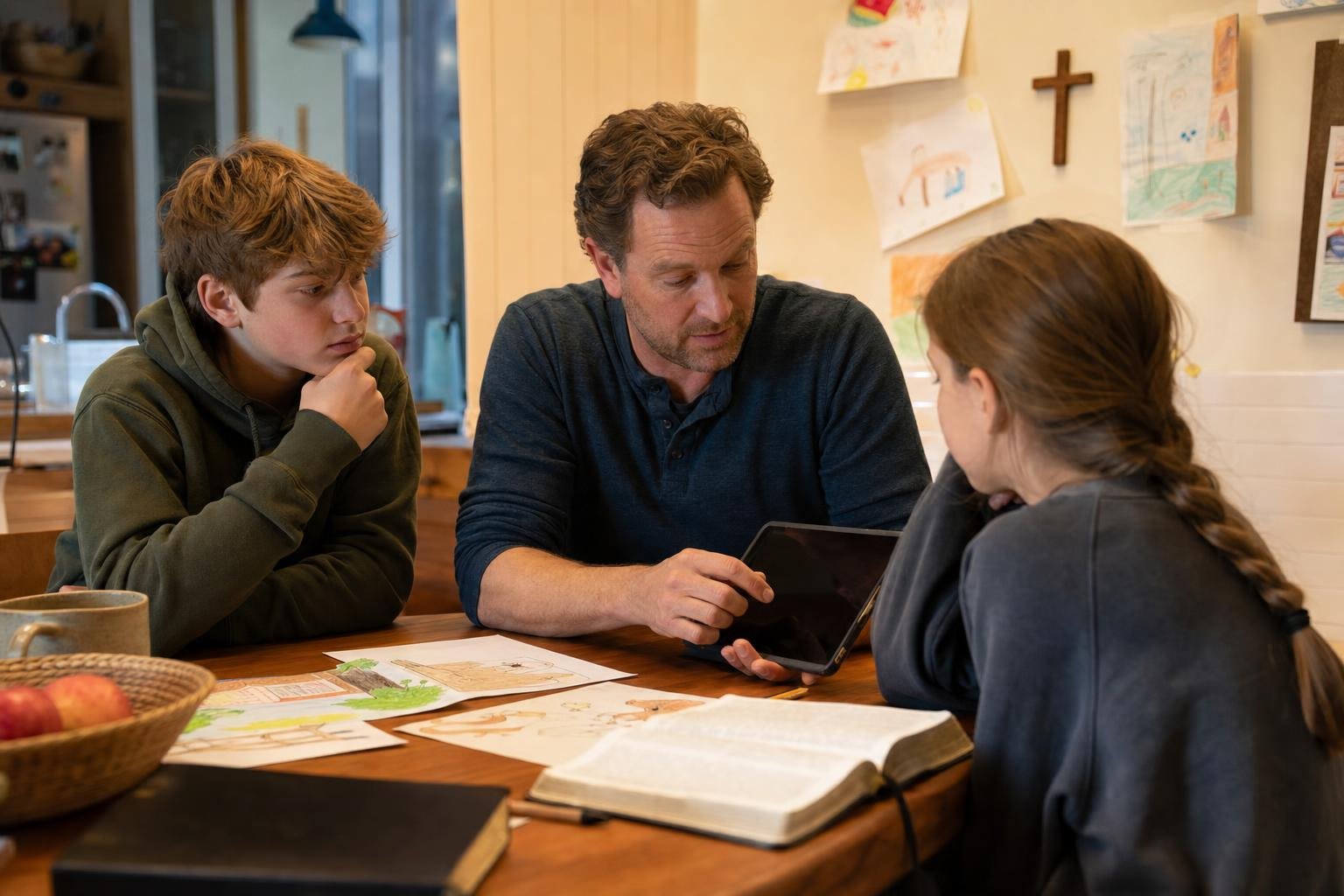
Animal Farm And Talking With Kids About Power, Truth, And Sin
Animal Farm can help older children see how slogans, fear, and corrupted authority distort truth, but parents should frame the story with a biblical view of sin.
Read article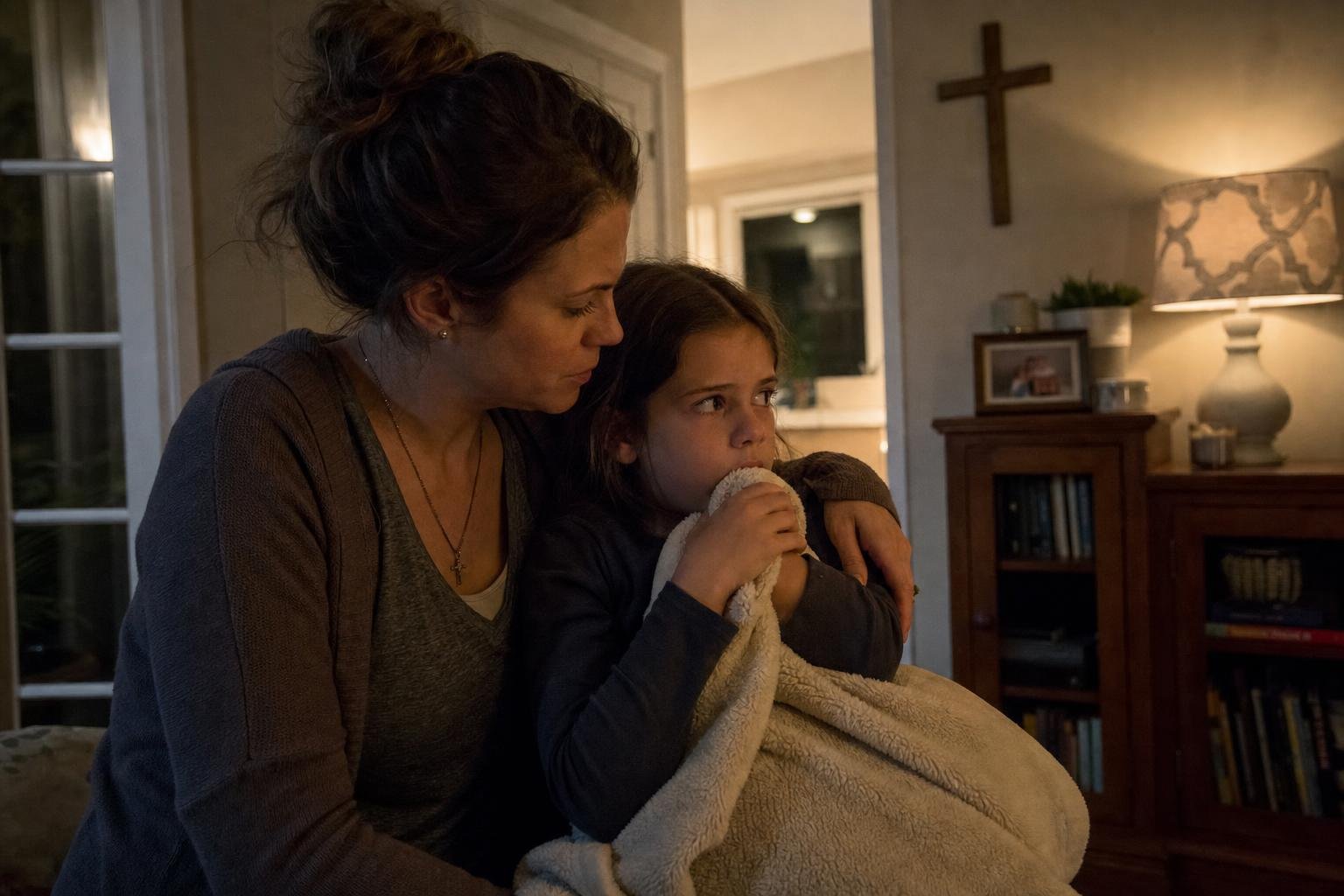
How To Talk After A Scary Scene Without Overreacting
Children do not always process fear while the movie is still playing. This guide helps parents respond calmly after intense or unsettling scenes and turn the moment into wise reassurance instead of panic.
Read articleMore Reviews


Official regional ratings
Local ratings remain available for reference, but LionLens separates those classifications from Christian family discernment.
Review Method
How this review was prepared
LionLens reviews are written with subtitle and dialogue evidence where available, official regional ratings data, source research, and final human editorial review before publication.