
Human Reviewed
Parent feedback
62 families found this review helpful
Christian Movie Review
The Lego Ninjago Movie Christian Movie Review
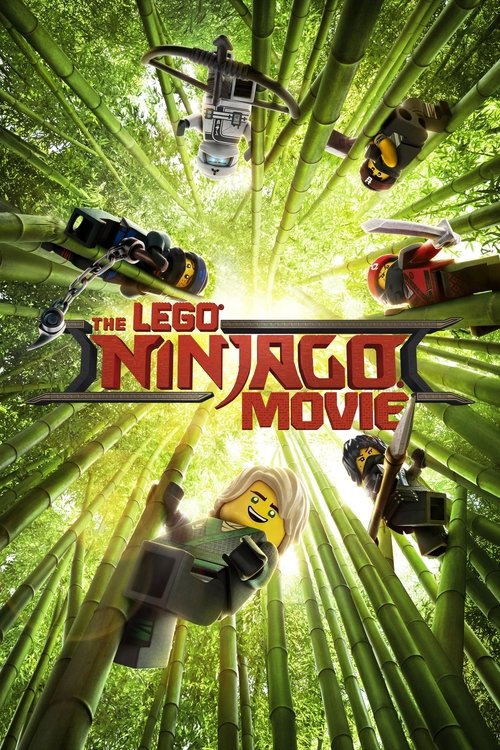
(2017)This animated comedy follows Lloyd, a teen ninja who lives under the shadow of his villain father, Garmadon, while trying to find his place among friends, family, and a city that treats him like a joke. The story mixes toy-like martial arts action with school embarrassment, superhero-style teamwork, and a family reconciliation arc.
The film is light in tone, with cartoon violence and mild rude humor, but it also leans hard on teasing, father-son conflict, and a few worldview ideas about identity and inner worth. Christian families may want to talk through the way the movie frames selfhood, family loyalty, and spiritual ideas around ninja power.
Use the content rating for the cartoon action and the Christian guidance rating for the identity and worldview themes.
Content Indicators

Reviewed 26 May 2026
Rachel focuses on animated films, family viewing habits, and helping parents spot worldview themes quickly.
The Lego Ninjago Movie Christian Movie Review (2017)
Guidance: Talk Together
The film is light in tone, with cartoon violence and mild rude humor, but it also leans hard on teasing, father-son conflict, and a few worldview ideas about identity and inner worth. Christian families may want to talk through the way the movie frames selfhood, family loyalty, and spiritual ideas around ninja power.
Why This Guidance Level
This is a fairly light family movie on the surface, with cartoon action, mild teasing, and no heavy material. The reason for the added guidance is the film’s stronger emphasis on identity, family conflict, and spiritual-style ninja ideas, which can be worth a parent-child conversation even when the content itself stays tame.
Faith & Worldview Perspective
The movie affirms courage, forgiveness, and the need to see people beyond their labels, which are healthy themes for families. It also treats inner worth as something discovered through self-realization and frames ninja power through a mystical lens, so parents may want to contrast that with the Christian truth that identity is received from God and hope is found in Christ.
Truths Reflected
- People should not be reduced to their worst reputation or family background.
- Family reconciliation and forgiveness matter.
Tensions to Discuss
- The film leans on self-discovery as the path to identity rather than grounding worth in God’s design.
- Its ninja mysticism sits outside a Christian understanding of spiritual power and authority.
Content & Discernment Markers
Occult & Spiritual Content
- The movie uses ninja lore, mystical training language, and a legend-driven framework around hidden powers and special destiny. It is more fantasy-style spirituality than explicit occult practice, but Christian parents may want to discuss how this differs from trusting Jesus Christ and seeking wisdom from God rather than from secret powers.
Sexuality & Relationships
- Romantic material does not stand out. The story stays focused on friendship, family, and school life rather than dating or sexual content.
Identity Themes
- Lloyd is mocked as “the kid whose dad ruins everything,” and his mother keeps urging him to show “the person you are on the inside.” The film repeatedly pushes the idea that a person’s value is deeper than reputation, which is a useful place to discuss identity before God and not in other people’s approval.
Violence & Intensity
- The action is constant but toy-like: Garmadon’s attacks, a dangling school bus, panicked kids shouting “We’re gonna die!”, and comic ninja fights all play like exaggerated playtime danger rather than realistic harm. Parents may want to talk about how the film uses peril for laughs and how fear is softened by the Lego style.
Language & Humour
- Language stays mild and mostly comes through teasing and ridicule, including “dork,” “judgey,” “what the heck,” and the cheerleaders chanting, “His dad is bad and so is he.” The sharper issue is not profanity but the way humor is built on public embarrassment and put-downs.
Other Content Notes
- Bullying is a recurring part of Lloyd’s school life, with classmates chanting at him and treating him like a joke because of his father. That social cruelty matters because the film invites sympathy for Lloyd while also normalizing some of the mockery as comedy.
Notable Moments
- Birthday call: Lloyd calls his father hoping for a meaningful connection, but Garmadon treats it like an interruption and casually dismisses him. The scene matters because it sets up the film’s father-son wound and Lloyd’s longing to matter.
“Are you sure there isn’t a special reason why you might have called me today?”
- School humiliation: At school, Lloyd is greeted with whispers, laughter, and the chant, “His dad is bad and so is he.” The moment is important because the movie uses public shame to show how deeply Lloyd is defined by his family name.
“His dad is bad and so is he. Boo, Lloyd! Boo, Lloyd!”
- Inner worth lesson: Mr. Liu tells the boy that Lloyd may look different but can do great things, and that he must see things from a different point of view. Parents may want to discuss how the film’s encouragement compares with the Christian view that our deepest identity is found in God, not in self-invention.
“He might look different, but… But he can do great things.”
Discussion Prompts
- Identity and approval: What do you think the movie says makes Lloyd valuable, and how is that different from what God says about us?
- Biblical guidance: Scripture teaches that our worth comes from being made in God’s image and loved by Him, not from popularity or family reputation.
- Scripture: Genesis 1:27, Psalm 139:13-14, Ephesians 1:4-5
- Family conflict and forgiveness: Why do you think Lloyd still wants his father’s attention, and what does forgiveness look like when family relationships are strained?
- Biblical guidance: The Bible calls Christians to forgive and to pursue peace where possible, while also telling the truth about hurt and brokenness.
- Scripture: Ephesians 4:32, Colossians 3:13, Romans 12:18
- Spiritual ideas and power: How does the movie describe ninja power and destiny, and how does that compare with trusting Jesus Christ for wisdom and hope?
- Biblical guidance: Christians look to God’s Word and the power of Christ rather than mystical systems or hidden forces.
- Scripture: Colossians 2:8, 2 Timothy 1:7, John 14:6
Common questions about The Lego Ninjago Movie
- What age is The Lego Ninjago Movie suitable for?
- The Lego Ninjago Movie suits children of about 8 and older in most families. That follows its official classification. It is rated PG in Australia, the US, New Zealand and Canada, and U in the UK. The action is constant but toy-like: Garmadon’s attacks, a dangling school bus, panicked kids shouting "We’re gonna die!", and comic ninja fights all play like exaggerated playtime danger rather than realistic harm. Younger viewers may still enjoy it alongside a parent, and it raises worldview questions worth talking through afterwards.
- Is The Lego Ninjago Movie okay for a 6-year-old?
- The Lego Ninjago Movie is generally better suited to children of about 8 and up, so a 6-year-old may find parts of it a stretch. It is rated PG in Australia, the US, New Zealand and Canada, and U in the UK. The action is constant but toy-like: Garmadon’s attacks, a dangling school bus, panicked kids shouting "We’re gonna die!", and comic ninja fights all play like exaggerated playtime danger rather than realistic harm. Families comfortable watching a little above the classification together may still be fine with it.
Age guidance is derived from this review's content findings and the film's official classifications. It is a starting point for your own judgement, not a rule.
Parent comments
Leave a comment on this review
Share a short note on The Lego Ninjago Movie, or help other parents with discernment.
Submit will ask you to sign in first.
Weekend family picks
Get the short family movie list before the weekend
Example newsletter: 3 movies to watch this weekend with your family, plus one question to ask after the credits.
Sample: 3 movies to watch this weekend with your family
One cinema pick, one streaming pick, one conversation-starter pick.
Related Articles
A few bigger-picture reads for parents who want more context than a single review page can hold.

Animal Farm And Talking With Kids About Power, Truth, And Sin
Animal Farm can help older children see how slogans, fear, and corrupted authority distort truth, but parents should frame the story with a biblical view of sin.
Read article
Disney And Pixar Films For Christian Families: Why They Still Need Discernment
Disney and Pixar films often feel safer than they really are. This guide helps Christian parents notice the spiritual assumptions, emotional messages, and identity themes that can slip past a quick first impression.
Read article
5 Things To Notice In Kids Movies Before The Message Lands
A child can absorb a movie long before they can explain it. These five checkpoints help Christian parents notice what a film is training the heart to love, fear, excuse, or trust.
Read articleMore Reviews



Official regional ratings
Local ratings remain available for reference, but LionLens separates those classifications from Christian family discernment.
Review Method
How this review was prepared
LionLens reviews are written with subtitle and dialogue evidence where available, official regional ratings data, source research, and final human editorial review before publication.