
Human Reviewed
Parent feedback
64 families found this review helpful
Christian Movie Review
The Lego Movie Christian Movie Review
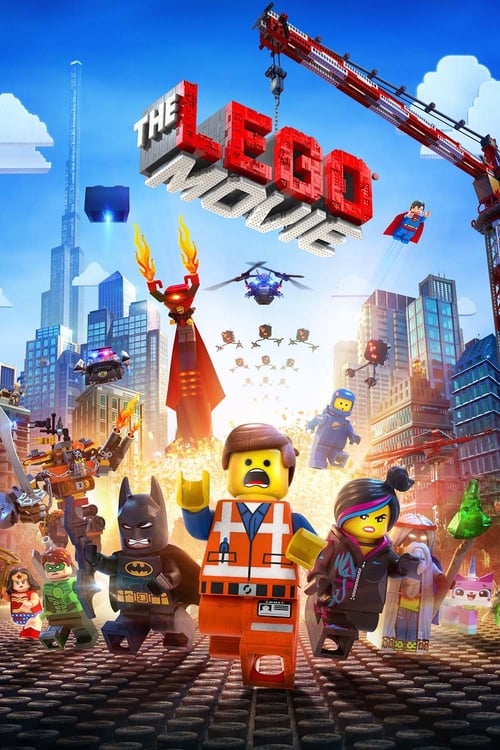
(2014)This fast, funny animated adventure follows Emmet, an ordinary Lego construction worker who is swept into a battle against Lord Business, a ruler determined to lock everything into rigid order. Along the way, the film mixes action, satire, and a story about creativity, teamwork, and what makes someone truly special.
The surface content is fairly light for a family adventure, with fantasy action, mild language, and comic peril. The bigger conversation for Christian families is the film's message about identity, authority, self-belief, and the way freedom and creativity are framed.
Use the content rating for what children will hear and see, and the Christian guidance rating for what the movie encourages them to believe and admire.
Content Indicators

Reviewed 11 January 2026
Esther handles review quality, clarity, and the practical guidance families need after the credits roll.
The Lego Movie Christian Movie Review (2014)
Guidance: Talk Together
The surface content is fairly light for a family adventure, with fantasy action, mild language, and comic peril. The bigger conversation for Christian families is the film’s message about identity, authority, self-belief, and the way freedom and creativity are framed.
Why This Guidance Level
This lands in the middle because the movie’s surface content is light, but its message gives families more to talk through than the rating alone suggests. The action and language are mild for most viewers, yet the story’s prophecy language, anti-control satire, and repeated emphasis on finding greatness within yourself make it a useful conversation piece about identity, authority, and where true hope is found.
Faith & Worldview Perspective
The movie rightly criticizes shallow conformity, manipulative authority, and a culture that trains people to follow scripts without thinking. It also celebrates courage, sacrifice, friendship, and the dignity of an ordinary person. The tension comes in how the film grounds meaning: it leans toward self-discovery, inner specialness, and creativity as the path to salvation. Christian families may want to affirm the good here while reminding children that our deepest identity and hope are not found in being uniquely awesome, but in being made by God and redeemed through Jesus Christ.
Truths Reflected
- People should not be reduced to tools of control or empty conformity.
- Ordinary individuals can show courage, serve others, and contribute meaningfully in community.
Tensions to Discuss
- The story often frames identity around discovering that you are special in yourself, rather than receiving identity from God.
- Its playful prophecy and quasi-mystical hero language can blur the difference between inspirational fantasy and the unique hope Christians place in Jesus Christ.
Content & Discernment Markers
Occult & Spiritual Content
- A central plot thread revolves around a prophecy about “The Special One” who will find the Piece of Resistance and save the realm. The language is comic and fantasy-based rather than dark occult practice, but it still uses chosen-one and magical-destiny ideas that parents may want to contrast with the unique saving role of Jesus Christ.
Sexuality & Relationships
- Relationship material is very light. Emmet shows interest in Wyldstyle, and there is mild romantic tension played for humor rather than sensuality.
Identity Themes
- The film strongly pushes the idea that a person must break from the crowd and discover that he is “special.” Early scenes mock a scripted life with lines like “Instructions to fit in… have everybody like you… and always be happy!” Parents may want to discuss the difference between healthy creativity and building identity around self-importance.
Violence & Intensity
- The opening conflict includes direct threat language when Lord Business orders, “Robots, destroy him!” The danger is stylized and comedic, but the intent to harm is clear.
- A super-weapon called the Kragle is treated as a major threat, with Lord Business boasting, “The most powerful super weapon… is mine.” The movie uses repeated chase-and-capture tension around this weapon.
- Vitruvius is struck during the robot attack and cries, “My eyes! Ow!” The moment suggests injury, though the Lego presentation keeps it from feeling graphic. Sensitive children may still notice the distress.
Language & Humour
- Language is very mild and mostly comic. Notable phrases include “Cover your butt,” “hippie-dippie baloney,” and a cut-off joke about keeping soap out of your backside during Emmet’s morning routine.
Other Content Notes
- The movie satirizes consumer culture and social control through repetitive slogans, expensive coffee jokes, and the anthem “Everything Is Awesome.” This is often funny, but it also trains the audience to question who shapes their desires and habits. Parents may want to ask what voices most influence their children.
- Authority is portrayed in sharply divided terms: Lord Business represents oppressive control, while freedom is tied to throwing off rigid rules. That critique has value, but families may want to discuss the difference between ungodly domination and good authority under God.
Notable Moments
- Robot attack: Lord Business launches the story’s first major threat by ordering his robots to attack Vitruvius.
“Robots, destroy him!”
- Prophecy setup: The movie introduces its chosen-one framework through a rhyming prophecy about a special hero who will save the realm.
“One day, a talented lass or fellow A Special One with face of yellow Will make the Piece of Resistance found”
- Conformity satire: Emmet’s morning routine shows how deeply his world is shaped by scripted rules and social approval.
“Instructions to fit in… have everybody like you… and always be happy!”
- Control through comfort: President Business presents authoritarian control in cheerful, consumer-friendly language.
“Let’s take extra care to follow the instructions, or you’ll be put to sleep.”
Discussion Prompts
- Identity and being special: What does this movie say makes someone important or special? Is that the same as what God says?
- Biblical guidance: Scripture teaches that our worth comes from being made by God and loved in Christ, not from proving we are extraordinary.
- Scripture: Psalm 139:13-14, Ephesians 2:10, Galatians 2:20
- Authority and obedience: When is it right to question authority, and when is obedience good?
- Biblical guidance: The Bible warns against corrupt rulers, but it also teaches respect for rightful authority under God’s rule.
- Scripture: Romans 13:1-4, Acts 5:29, Ephesians 6:1
- Conformity and discernment: How do people in the movie follow the crowd without thinking? Where do we see that pressure in real life?
- Biblical guidance: Christians are called not to be shaped by the world around them, but to be renewed in mind and truth.
- Scripture: Romans 12:2, Proverbs 1:10, Philippians 4:8
- Self-belief and Christian hope: Is the answer to life’s problems just believing in yourself, or is there something deeper?
- Biblical guidance: Confidence has value, but Christian hope rests in God’s grace and in Jesus Christ, not in our own greatness.
- Scripture: Jeremiah 9:23-24, John 15:5, Philippians 4:13
Common questions about The Lego Movie
- What age is The Lego Movie suitable for?
- The Lego Movie suits children of about 8 and older in most families. That follows its official classification. It is rated PG in Australia, the US and New Zealand, and U in the UK. The opening conflict includes direct threat language when Lord Business orders, "Robots, destroy him!" Younger viewers may still enjoy it alongside a parent, and it raises worldview questions worth talking through afterwards.
- Is The Lego Movie okay for a 6-year-old?
- The Lego Movie is generally better suited to children of about 8 and up, so a 6-year-old may find parts of it a stretch. It is rated PG in Australia, the US and New Zealand, and U in the UK. The opening conflict includes direct threat language when Lord Business orders, "Robots, destroy him!" Families comfortable watching a little above the classification together may still be fine with it.
Age guidance is derived from this review's content findings and the film's official classifications. It is a starting point for your own judgement, not a rule.
Parent comments
Leave a comment on this review
Share a short note on The Lego Movie, or help other parents with discernment.
Submit will ask you to sign in first.
Weekend family picks
Get the short family movie list before the weekend
Example newsletter: 3 movies to watch this weekend with your family, plus one question to ask after the credits.
Sample: 3 movies to watch this weekend with your family
One cinema pick, one streaming pick, one conversation-starter pick.
Related Articles
A few bigger-picture reads for parents who want more context than a single review page can hold.
Animal Farm And Talking With Kids About Power, Truth, And Sin
Animal Farm can help older children see how slogans, fear, and corrupted authority distort truth, but parents should frame the story with a biblical view of sin.
Read article
Disney And Pixar Films For Christian Families: Why They Still Need Discernment
Disney and Pixar films often feel safer than they really are. This guide helps Christian parents notice the spiritual assumptions, emotional messages, and identity themes that can slip past a quick first impression.
Read article
5 Things To Notice In Kids Movies Before The Message Lands
A child can absorb a movie long before they can explain it. These five checkpoints help Christian parents notice what a film is training the heart to love, fear, excuse, or trust.
Read articleMore Reviews




Official regional ratings
Local ratings remain available for reference, but LionLens separates those classifications from Christian family discernment.
Review Method
How this review was prepared
LionLens reviews are written with subtitle and dialogue evidence where available, official regional ratings data, source research, and final human editorial review before publication.