Human Reviewed
Parent feedback
29 families found this review helpful
Christian Movie Review
The Lego Movie 2: The Second Part Christian Movie Review
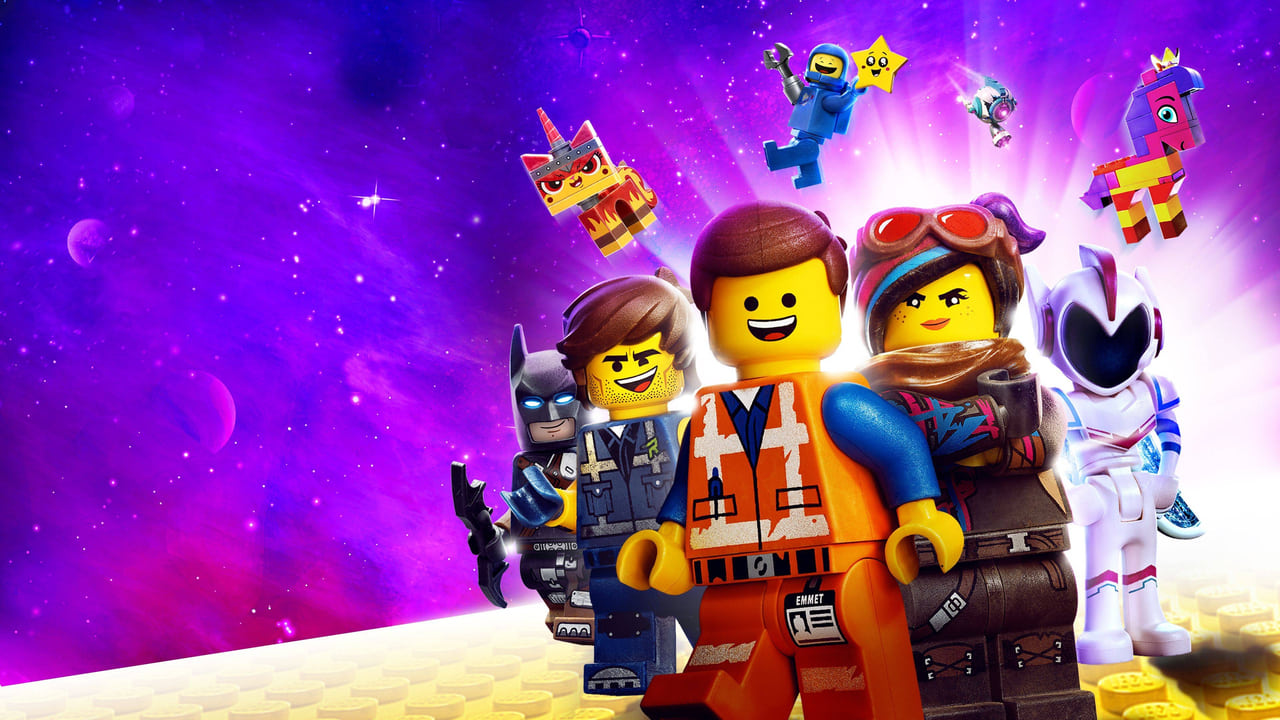
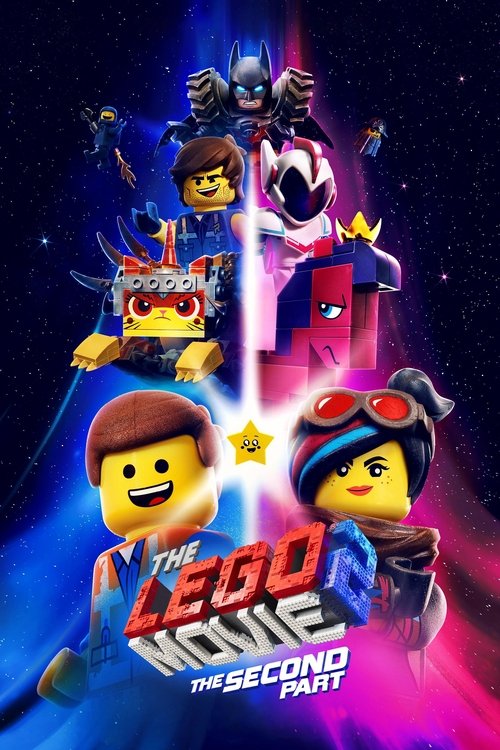
(2019)It's been five years since everything was awesome and the citizens are facing a huge new threat: LEGO DUPLO® invaders from outer space, wrecking everything faster than they can rebuild.
This sequel stays playful and funny, but it also brings frequent Lego-style peril, a darker post-apocalyptic tone, and a strong message about growing up, shared play, and not letting fear harden the heart. For many families, the main discernment issue is less surface content and more the film's emotional and worldview themes.
Start with the content rating, then use the Christian guidance rating to decide how much conversation your family may need.
Content Indicators

Reviewed 13 April 2026
Micah covers action, fantasy, and franchise releases, with close attention to violence, spiritual themes, and moral framing.
The Lego Movie 2: The Second Part Christian Movie Review (2019)
Guidance: Talk Together
This sequel stays playful and funny, but it also brings frequent Lego-style peril, a darker post-apocalyptic tone, and a strong message about growing up, shared play, and not letting fear harden the heart. For many families, the main discernment issue is less surface content and more the film’s emotional and worldview themes.
Why This Guidance Level
The film is still very much a family animation, but it includes repeated action, destruction, and a few unsettling images, especially around black holes, loss, and a world shaped by fear. Its biggest talking points are the sibling-play framing, the pressure to become harder and more cynical, and the idea that peace comes through empathy and shared understanding. Those themes can lead to very good conversations, but they are worth discussing rather than simply absorbing.
Faith & Worldview Perspective
The movie values kindness, teamwork, humility, and making room for others, especially in the sibling conflict that drives the story. It also pushes back against bitterness and the belief that maturity means becoming emotionally closed off. Those are meaningful truths Christians can affirm. At the same time, the film tends to frame hope and reconciliation mainly as something people create by opening their hearts and learning to get along. That is partly true, but Christian hope is deeper than self-generated optimism; real peace and reconciliation are grounded in truth and ultimately in Jesus Christ. Parents may want to talk about the difference between simple positivity and lasting hope in Christ.
Truths Reflected
- The story recognizes that fear and conflict can harden people, while humility and empathy can help restore relationships.
- It highlights the value of including others rather than treating differences as automatic threats.
Tensions to Discuss
- The film leans toward the idea that harmony comes mainly from looking within and ‘opening our hearts,’ which can sound incomplete apart from the need for truth, repentance, and hope in Christ.
- Its message about becoming ‘more mature’ can be discussed carefully, since biblical maturity is not cynicism or emotional hardness but Christlike love and wisdom.
Content & Discernment Markers
Occult & Spiritual Content
- Occult material does not stand out here. The supernatural-style elements are fantasy adventure devices, such as scary black holes opening in the ground during Emmet’s nightmare, rather than spiritual instruction or occult practice. Parents may still want to talk with younger children about the difference between fantasy peril and real spiritual truth in Christ.
Sexuality & Relationships
- Relationship content is light. Emmet builds a dream house and imagines a future of togetherness with Lucy, and the scene carries gentle romantic interest rather than sexual material. The bigger issue is relational pressure: Lucy’s darker outlook and Emmet’s cheerful optimism create tension about whether someone should change to be accepted.
Identity Themes
- A major theme is how conflict shapes identity. Characters describe themselves as having ‘grew up’ and abandoned anything ‘cute, shiny, poppy, or young,’ building a ‘grittier, cooler, more mature society.’ The film questions whether maturity means becoming hardened. Christian parents may want to discuss how Jesus Christ calls believers to grow in wisdom without losing tenderness, joy, or love.
- The opening conflict is rooted in sibling rivalry and shared space: ‘Now that I’m letting you come down here and play, guess who else gets to come down here and play?… Your sister.’ That framing matters because the whole story reflects children learning whether they will treat one another as enemies or as family.
Violence & Intensity
- There is frequent Lego-style action and destruction from the opening scenes. The Duplo visitors announce, ‘We are from the planet Duplo, and we are here to destroy you,’ followed by ‘Attack! Run!’ and ‘Fire the laser cannons!’ Buildings are smashed and characters are repeatedly put in comic peril. The tone is playful, but the action is constant enough that sensitive younger viewers may feel the pressure.
- The world of Apocalypseburg is built around survival language and threat. Characters talk about being ‘eaten alive,’ and the setting is intentionally harsher and more aggressive than the first film’s cheerful tone.
- One of the more intense moments is Emmet’s nightmare about ‘scary black holes’ that ‘started to suck everybody I’ve ever cared about out of my life,’ ending with Lucy disappearing ‘into the void.’ This matters more for younger children because it touches fear of loss, not just slapstick danger. Parents may want to talk about fear and where true security is found.
Language & Humour
- Language is generally mild. The film includes words and phrases such as ‘heckish,’ ‘Oh, man!,’ and a cut-off ‘what the fans want,’ along with sarcastic banter and mock-tough talk. For most families, this falls in the range of light family-film speech rather than coarse profanity.
Other Content Notes
- The movie repeatedly contrasts cheerful denial with grim cynicism. Emmet says, ‘Everything can still be awesome,’ while Lucy counters with bleak narration like ‘Everything was awesome. Now everything is bleak.’ That emotional contrast can open useful conversations about honesty, lament, and hope.
- There is a recurring joke about suppressing emotion when Green Lantern says, ‘I don’t care, it’s just feelings. Stuff ‘em down.’ The line is played for laughs, but it reflects the film’s larger concern that pain can make people emotionally closed off.
Notable Moments
- Sibling conflict setup: The movie opens by tying the Lego conflict to a brother being told his sister will now share the play space, setting up the film’s deeper message about rivalry and reconciliation.
“Now that I’m letting you come down here and play, guess who else gets to come down here and play?… Your sister.”
- Peace attempt fails: Emmet tries to welcome the invaders with warmth and inclusion, but the effort is immediately overwhelmed by chaos and destruction.
“Hello, visitors from another planet. You are just as special as we are.”
- Apocalypseburg tone shift: The film deliberately darkens its world, presenting a harsher culture shaped by repeated conflict and survival instincts.
“We call it Apocalypseburg. And it is a heckish place to live.”
- Nightmare of loss: Emmet describes a dream in which black holes take away everyone he loves, giving the movie one of its more emotionally intense images.
“They started to suck everybody I’ve ever cared about out of my life!”
- Hope versus realism: Emmet’s dream house scene captures the movie’s central tension between rebuilding with hope and bracing for disappointment.
“I just thought we could rebuild the future. Make everything awesome again.”
Discussion Prompts
- Growing up without hardening your heart: The movie says war and disappointment can make people tougher and darker. What is the difference between becoming wise and becoming hard-hearted?
- Biblical guidance: Scripture calls believers to grow in maturity, but not by losing tenderness. Christian maturity looks like truth, love, and self-control shaped by Christ.
- Scripture: Ephesians 4:15, Colossians 3:12-14, 1 Corinthians 13:11
- Hope versus denial: Was Emmet showing real hope, or was he ignoring problems? How can we be honest about what is broken and still trust God?
- Biblical guidance: The Bible makes room for both lament and hope. Christians do not pretend everything is fine, but we also do not give in to despair because our hope is in Jesus Christ.
- Scripture: Psalm 42:5, Romans 5:3-5, John 16:33
- Making peace with others: Why did the conflict begin with not wanting to share? What does this story show about selfishness, misunderstanding, and making room for others?
- Biblical guidance: God calls families toward patience, kindness, and peace. Sharing space and showing grace are everyday ways to love our neighbor.
- Scripture: Philippians 2:3-4, James 3:17-18, Romans 12:18
- Fear of losing people we love: Emmet’s nightmare is about everyone he cares about being taken away. What do you do when you feel afraid like that?
- Biblical guidance: Fear is real, but children can be reminded that the Lord is near and that our deepest security is not in controlling life but in God’s care and the hope we have in Christ.
- Scripture: Psalm 56:3-4, Isaiah 41:10, Matthew 6:25-34
Common questions about The Lego Movie 2: The Second Part
- What age is The Lego Movie 2: The Second Part suitable for?
- The Lego Movie 2: The Second Part suits children of about 8 and older in most families. That follows its official classification. It is rated PG in Australia, the US and New Zealand, and U in the UK. There is frequent Lego-style action and destruction from the opening scenes.
- Is The Lego Movie 2: The Second Part okay for a 6-year-old?
- The Lego Movie 2: The Second Part is generally better suited to children of about 8 and up, so a 6-year-old may find parts of it a stretch. It is rated PG in Australia, the US and New Zealand, and U in the UK. There is frequent Lego-style action and destruction from the opening scenes. Families comfortable watching a little above the classification together may still be fine with it.
Age guidance is derived from this review's content findings and the film's official classifications. It is a starting point for your own judgement, not a rule.
Parent comments
Leave a comment on this review
Share a short note on The Lego Movie 2: The Second Part, or help other parents with discernment.
Submit will ask you to sign in first.
Weekend family picks
Get the short family movie list before the weekend
Example newsletter: 3 movies to watch this weekend with your family, plus one question to ask after the credits.
Sample: 3 movies to watch this weekend with your family
One cinema pick, one streaming pick, one conversation-starter pick.
Related Articles
A few bigger-picture reads for parents who want more context than a single review page can hold.
Animal Farm And Talking With Kids About Power, Truth, And Sin
Animal Farm can help older children see how slogans, fear, and corrupted authority distort truth, but parents should frame the story with a biblical view of sin.
Read article
5 Things To Notice In Kids Movies Before The Message Lands
A child can absorb a movie long before they can explain it. These five checkpoints help Christian parents notice what a film is training the heart to love, fear, excuse, or trust.
Read article
Why A Clean Movie Can Still Need A Christian Conversation
Sometimes the hardest films to evaluate are not the obviously rough ones, but the polished and emotionally appealing movies that carry deeper assumptions quietly. This article explains why.
Read articleMore Reviews




Official regional ratings
Local ratings remain available for reference, but LionLens separates those classifications from Christian family discernment.
Review Method
How this review was prepared
LionLens reviews are written with subtitle and dialogue evidence where available, official regional ratings data, source research, and final human editorial review before publication.