
Human Reviewed
Parent feedback
70 families found this review helpful
Christian Movie Review
The Last Whale Singer Christian Movie Review
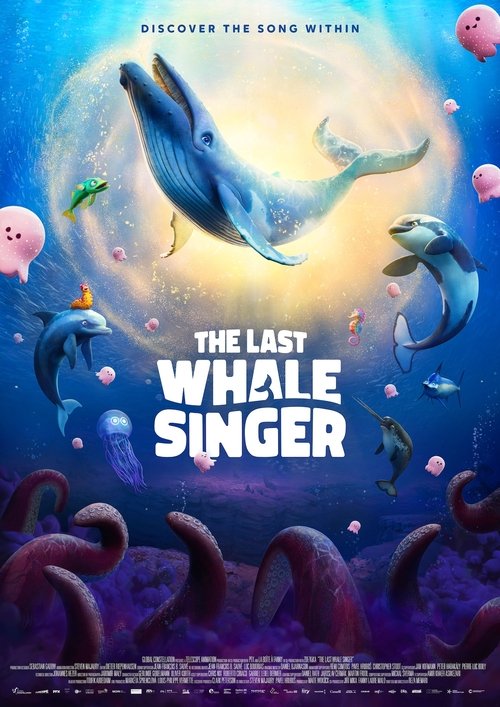
(2026)The Last Whale Singer is a PG family movie centered on whales, music, and themes of loss, memory, and connection. Its family-friendly frame suggests an emotional adventure with nature-focused storytelling.
This looks like a gentle family title on the surface, but the material tied to whales, grief, and mystical song may invite more conversation than the PG rating alone suggests. Parents may especially want to talk through how the story handles nature, meaning, and hope.
Use the content rating for surface issues and the Christian guidance rating for worldview and follow-up conversation.
Content Indicators

Reviewed 13 February 2026
Esther handles review quality, clarity, and the practical guidance families need after the credits roll.
The Last Whale Singer Christian Movie Review (2026)
Guidance: Talk Together
This looks like a gentle family title on the surface, but the material tied to whales, grief, and mystical song may invite more conversation than the PG rating alone suggests. Parents may especially want to talk through how the story handles nature, meaning, and hope.
Why This Guidance Level
This lands in discussion-advised territory because the likely concern is worldview more than surface content. The PG material itself looks light, but themes of mystical song, grief, and meaning in nature may lead children to absorb spiritual ideas that need Christian framing and conversation.
Faith & Worldview Perspective
The film’s strongest apparent values are compassion, care for creation, perseverance through grief, and the importance of relationship. Those are meaningful starting points. The tension for Christian families is that a whale-centered mystical story can treat nature, song, or inner connection as a source of ultimate guidance or healing. Scripture teaches that creation points beyond itself to God, and lasting hope is not found in the created world but in the Creator and in Jesus Christ. Parents may want to discuss the difference between enjoying wonder in creation and looking to creation for spiritual salvation.
Truths Reflected
- Creation is valuable and worthy of care.
- Grief is real, and compassion matters when someone suffers loss.
Tensions to Discuss
- If the story treats mystical song or nature as a spiritual source of truth, that can blur the line between creation and the Creator.
- Healing and identity may be framed through inner or natural connection rather than hope in God and redemption through Jesus Christ.
Content & Discernment Markers
Occult & Spiritual Content
- The premise itself points to mystical song and supernatural-style meaning tied to whales and the natural world. That kind of fantasy element is common in family animation, but Christian families may want to discuss whether the story presents nature as wondrous creation or as a spiritual power source. A helpful follow-up question is where true hope and guidance come from according to Jesus Christ.
Sexuality & Relationships
- Romantic or sexual material does not stand out here. The film points more toward friendship, support, and emotional connection than sensual content.
Identity Themes
- The story is presented to include coming-of-age themes, purpose, and finding one’s voice. That can be fruitful, but parents may want to discuss whether identity is discovered mainly by looking inward or received as part of God’s design.
Violence & Intensity
- Violence does not stand out as a defining concern for this family title. The more likely intensity comes from emotional peril, sadness, and loss connected to whales rather than action-heavy threat.
Language & Humour
- Language appears mild overall, with at least one use of “hell” in a startled reaction: “you scared the hell out of me.” Parents who prefer very clean family viewing may still want to note that kind of casual speech.
Other Content Notes
- Grief is a meaningful part of the story world, including references to a lost baby whale and lingering sorrow. For sensitive children, the sadness may hit harder than the PG rating suggests. Parents may want to talk about how Christians grieve with hope rather than despair.
- There are casual references to alcohol in social conversation, including tequila shots and a toast. This is not a dominant issue, but it is present.
- Environmental and anti-captivity themes are likely part of the film’s moral frame. Caring for animals can reflect wise stewardship, but parents may want to discuss stewardship as love for God’s creation rather than treating nature as morally ultimate.
Notable Moments
- Whale grief: A sorrowful exchange centers on the loss of a young whale and the lasting effect that loss has had.
“She hasn’t been the same since since she lost the little one.”
- Animal loss: Dialogue directly references the death of a whale calf, which may be emotionally heavy for younger viewers.
“They say he’s dead.”
- Mild language: A character reacts with a mild profane expression during a surprise encounter.
“you scared the hell out of me.”
Discussion Prompts
- Wonder in creation: What did the story make you feel about whales and the ocean? Did it point you toward loving creation or treating creation like it has its own spiritual power?
- Biblical guidance: Creation shows God’s glory, but creation itself is not God. Help children enjoy beauty while keeping worship directed to the Creator.
- Scripture: Psalm 19:1, Romans 1:25, Genesis 1:31
- Grief and hope: How did the characters respond to loss? What is the difference between sadness without hope and grief that is carried to God?
- Biblical guidance: Christians do grieve, but not as those without hope. Jesus Christ meets sorrow with compassion and promises resurrection hope.
- Scripture: 1 Thessalonians 4:13-14, John 11:25, Psalm 34:18
- Identity and calling: Did the story suggest that a person finds identity by looking inside, by listening to nature, or by receiving purpose from God?
- Biblical guidance: Our deepest identity is not self-created. We are made by God and called to live for Him.
- Scripture: Psalm 139:13-14, Ephesians 2:10, Galatians 2:20
- Stewardship of animals: Why should people care for animals and the natural world? Is it only because nature is precious, or because God entrusted creation to human care?
- Biblical guidance: Stewardship is a biblical responsibility. Caring for creatures is good when it flows from honoring God as Creator.
- Scripture: Genesis 2:15, Proverbs 12:10, Psalm 24:1
Common questions about The Last Whale Singer
- What age is The Last Whale Singer suitable for?
- The Last Whale Singer suits children of about 8 and older in most families. That follows its official classification. It is rated PG in the US, New Zealand and Canada.
- Is The Last Whale Singer okay for a 6-year-old?
- The Last Whale Singer is generally better suited to children of about 8 and up, so a 6-year-old may find parts of it a stretch. It is rated PG in the US, New Zealand and Canada. Families comfortable watching a little above the classification together may still be fine with it.
Age guidance is derived from this review's content findings and the film's official classifications. It is a starting point for your own judgement, not a rule.
Parent comments
Leave a comment on this review
Share a short note on The Last Whale Singer, or help other parents with discernment.
Submit will ask you to sign in first.
Weekend family picks
Get the short family movie list before the weekend
Example newsletter: 3 movies to watch this weekend with your family, plus one question to ask after the credits.
Sample: 3 movies to watch this weekend with your family
One cinema pick, one streaming pick, one conversation-starter pick.
Related Articles
A few bigger-picture reads for parents who want more context than a single review page can hold.

How To Talk With Kids About Dragon magic In Family Movies
A parent-friendly guide to discussing dragon magic in family movies through a Christian lens.
Read article
How To Talk With Kids About Mild fantasy peril In Family Movies
A parent-friendly guide to discussing mild fantasy peril in family movies through a Christian lens.
Read article
Disney And Pixar Films For Christian Families: Why They Still Need Discernment
Disney and Pixar films often feel safer than they really are. This guide helps Christian parents notice the spiritual assumptions, emotional messages, and identity themes that can slip past a quick first impression.
Read articleMore Reviews



Official regional ratings
Local ratings remain available for reference, but LionLens separates those classifications from Christian family discernment.
Review Method
How this review was prepared
LionLens reviews are written with subtitle and dialogue evidence where available, official regional ratings data, source research, and final human editorial review before publication.