

Human Reviewed
Parent feedback
31 families found this review helpful
Christian Movie Review
The Land of Sometimes Christian Movie Review
(2026)This animated musical fantasy follows twin siblings Alfie and Elise, who are swept into a magical world after discovering a Wish Watch on Christmas Eve. Their adventure centers on wishes, consequences, and the value of love, family, and gratitude over quick fixes.
This is a gentle family fantasy with mild peril, rude humor, and a few light language moments. The bigger conversation point for Christian families is its magic-wish framework and the film's message about where real happiness comes from.
Use the content rating for surface issues and the Christian guidance rating for worldview and follow-up conversation.
Content Indicators

Reviewed 21 March 2026
Micah covers action, fantasy, and franchise releases, with close attention to violence, spiritual themes, and moral framing.
The Land of Sometimes Christian Movie Review (2026)
Guidance: Talk Together
This is a gentle family fantasy with mild peril, rude humor, and a few light language moments. The bigger conversation point for Christian families is its magic-wish framework and the film’s message about where real happiness comes from.
Why This Guidance Level
This lands in the middle because the surface content is mild, but the story’s magical wish premise gives parents a natural worldview conversation. The film points children toward love, family, and gratitude rather than selfish gain, yet its fantasy framework still benefits from a short discussion about contentment, consequences, and the difference between make-believe magic and Christian hope in Jesus Christ.
Faith & Worldview Perspective
The movie affirms several truths Christian families can appreciate: selfish desires can mislead us, quick fixes often carry consequences, and love and family matter more than getting everything we want. Its main tension is the fantasy use of a magical object that grants wishes, which places power and hope in enchanted means rather than in God’s wisdom and provision. Parents may want to discuss how stories can use fantasy elements while still pointing children back to gratitude, self-control, and hope in Christ instead of wish-fulfillment.
Truths Reflected
- Wishes and selfish desires can have consequences.
- Love, family, courage, kindness, and compassion are presented as more valuable than getting everything you want.
Tensions to Discuss
- The story uses magical wish-fulfillment as the engine of the adventure, which may blur the line between fantasy wonder and where real help should be sought.
- A Christian parent may want to discuss that lasting joy is not found in instant gratification but in trusting God and receiving hope through Jesus Christ.
Content & Discernment Markers
Occult & Spiritual Content
- The central fantasy device is a magical Wish Watch that sweeps Alfie and Elise into the Land of Sometimes and drives the story through wish-fulfillment. This is storybook fantasy rather than explicit occult practice, but parents may still want to discuss the difference between make-believe magic and seeking real hope from God.
Sexuality & Relationships
- Sexual content does not stand out here. The focus stays on sibling adventure, family bonds, and the consequences of wishes.
Identity Themes
- The film emphasizes belonging, family, and appreciating what you already have rather than building identity around self-created desires. Parents may want to connect this with finding identity as people made and loved by God.
Violence & Intensity
- Peril is mild and family-film in tone, including dramatic falls, scenes in darkness, imprisonment, yelling, and a few creepy or scary creatures. One child’s skeleton is shown on-screen, which may unsettle younger viewers even though the overall tone remains whimsical.
Language & Humour
- Language is very mild but includes phrases parents may want to know about, such as “shut up,” “I hate you,” “codswallop,” “daft,” “little dung beetle,” and one cut-off “little shi-.” Rude humor includes burps, farts, and a nose-picking gag played for laughs.
Other Content Notes
- The film’s strongest takeaway is that quick-gratification wishes do not bring lasting happiness. That message can open a helpful family talk about gratitude, patience, and why love and faithfulness matter more than getting what we want right away.
Notable Moments
- Wish Watch premise: The twins’ adventure begins when a magical Wish Watch pulls them into the Land of Sometimes, setting up the film’s lesson that wishes can carry consequences.
- Mild scary imagery: A few creepy creatures, darker scenes, and the image of a child’s skeleton may be the moments most likely to trouble sensitive younger children.
- Rude humour beats: The movie includes childish gross-out humor such as burps, farts, and a nose-picking gag, which some families will find silly and others may find tiresome.
Discussion Prompts
- Wishes, desires, and contentment: Why do you think getting everything we want right away can still leave us unhappy?
- Biblical guidance: Scripture teaches contentment and warns that our desires need wisdom and God’s direction, not just instant fulfillment.
- Scripture: Philippians 4:11-13, James 4:1-3
- Where real hope comes from: What is the difference between a fantasy wish coming true and the real hope we have in Jesus Christ?
- Biblical guidance: Christian hope is not magic or control; it is trusting God’s character, promises, and salvation in Christ.
- Scripture: Romans 15:13, Hebrews 6:19
- Love and family over selfish gain: How does the story show that love and family matter more than getting what we want?
- Biblical guidance: The Bible calls us to value people over possessions and to act with love, kindness, and compassion.
- Scripture: 1 Corinthians 13:4-7, Colossians 3:12-14
- Words that hurt: How should we respond when characters say things like “shut up” or “I hate you”?
- Biblical guidance: Jesus calls His people to speak with grace and self-control, even when they are upset.
- Scripture: Ephesians 4:29, Proverbs 15:1
Common questions about The Land of Sometimes
- What age is The Land of Sometimes suitable for?
- The Land of Sometimes suits all ages, including young children. Younger viewers may still enjoy it alongside a parent, and it raises worldview questions worth talking through afterwards.
- Can young children watch The Land of Sometimes?
- Yes. The Land of Sometimes is gentle enough for young children, with nothing in the content that needs an older audience. There are still ideas in it worth discussing together afterwards.
Age guidance is derived from this review's content findings and the film's official classifications. It is a starting point for your own judgement, not a rule.
Parent comments
Leave a comment on this review
Share a short note on The Land of Sometimes, or help other parents with discernment.
Submit will ask you to sign in first.
Weekend family picks
Get the short family movie list before the weekend
Example newsletter: 3 movies to watch this weekend with your family, plus one question to ask after the credits.
Sample: 3 movies to watch this weekend with your family
One cinema pick, one streaming pick, one conversation-starter pick.
Related Articles
A few bigger-picture reads for parents who want more context than a single review page can hold.
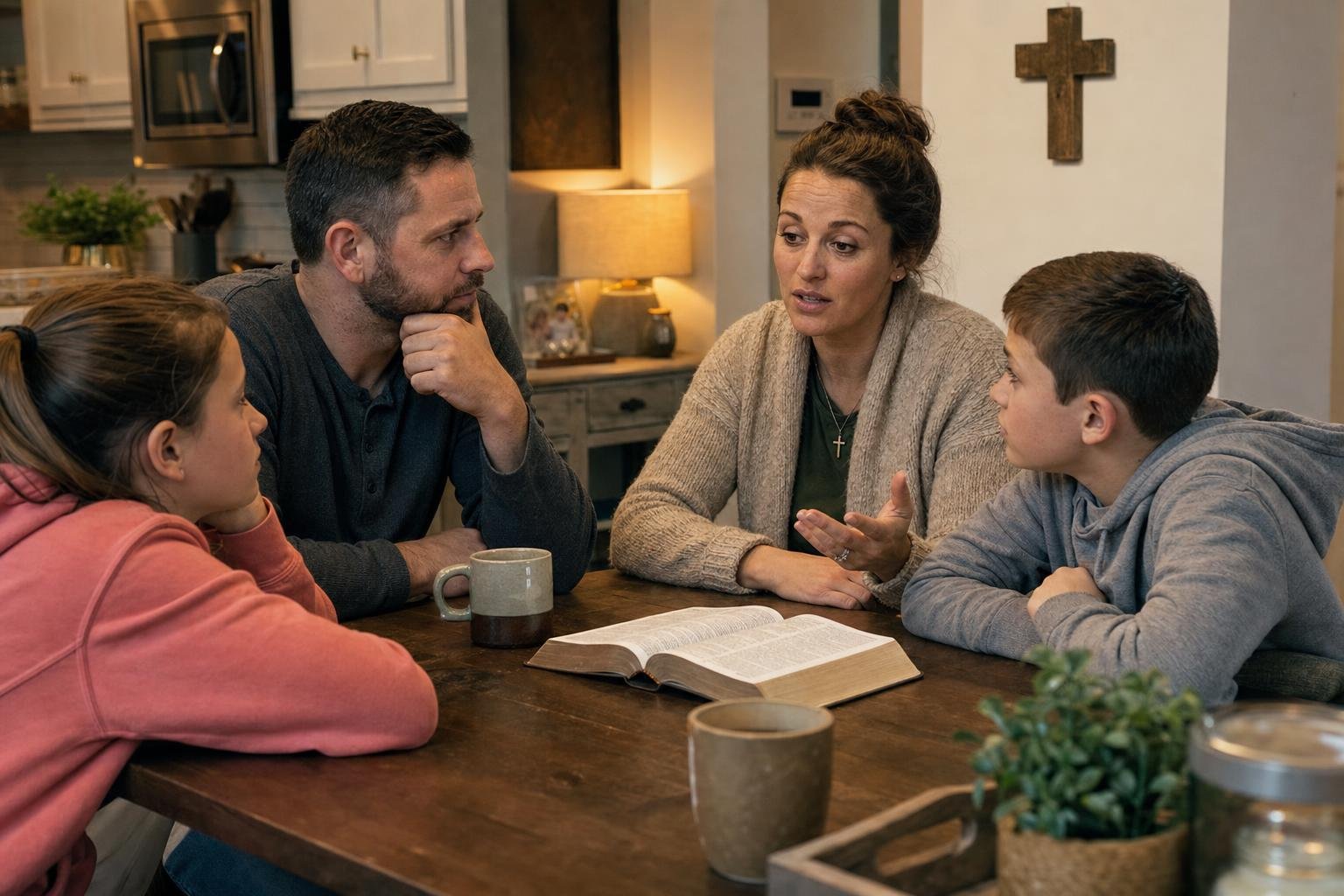
How To Talk With Kids About Dragon magic In Family Movies
A parent-friendly guide to discussing dragon magic in family movies through a Christian lens.
Read article
How To Talk With Kids About Mild fantasy peril In Family Movies
A parent-friendly guide to discussing mild fantasy peril in family movies through a Christian lens.
Read article
Disney And Pixar Films For Christian Families: Why They Still Need Discernment
Disney and Pixar films often feel safer than they really are. This guide helps Christian parents notice the spiritual assumptions, emotional messages, and identity themes that can slip past a quick first impression.
Read articleMore Reviews


Official regional ratings
Local ratings remain available for reference, but LionLens separates those classifications from Christian family discernment.
Review Method
How this review was prepared
LionLens reviews are written with subtitle and dialogue evidence where available, official regional ratings data, source research, and final human editorial review before publication.