
Human Reviewed
Parent feedback
23 families found this review helpful
Christian Movie Review
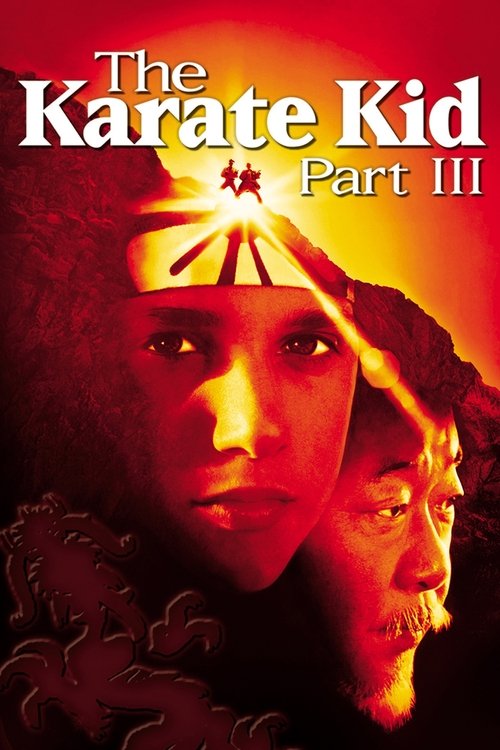
The Karate Kid Part III Christian Movie Review
(1989)Daniel returns to Los Angeles and faces a new round of pressure as Kreese and Terry Silver push a revenge plot against him and Mr. Miyagi. The story mixes karate training, tournament conflict, and the familiar mentor-student bond between Daniel and Miyagi.
This sequel carries more aggressive martial-arts hostility than a typical family sports story, with revenge talk, intimidation, and some rough language. It also gives parents a clear opening to talk about forgiveness, self-control, and the difference between strength and cruelty.
Use the content rating to gauge the fight intensity, and the Christian guidance rating to weigh the revenge-centered moral framing.
Content Indicators

Reviewed 13 May 2026
Micah covers action, fantasy, and franchise releases, with close attention to violence, spiritual themes, and moral framing.
The Karate Kid Part III Christian Movie Review (1989)
Guidance: Talk Together
This sequel carries more aggressive martial-arts hostility than a typical family sports story, with revenge talk, intimidation, and some rough language. It also gives parents a clear opening to talk about forgiveness, self-control, and the difference between strength and cruelty.
Why This Guidance Level
This film is not driven by graphic content, but it does lean hard into revenge, intimidation, and a dojo philosophy that celebrates mercy as weakness. The fights are more aggressive than in a gentle family sports movie, and the language includes a few sharper insults and slurs. At the same time, Mr. Miyagi’s wisdom gives the story a clear counterpoint, so the main family question is less about explicit material and more about the moral message around anger, forgiveness, and how to respond when others try to provoke you.
Faith & Worldview Perspective
The movie presents a clear contrast between destructive revenge and the steadier moral vision embodied by Mr. Miyagi. It values discipline, perseverance, and forgiveness, but it also spends a lot of time inside a worldview where winning, humiliation, and retaliation drive behavior.
Truths Reflected
- Self-control and patient training matter.
- Forgiveness is stronger than revenge.
Tensions to Discuss
- The villains treat mercy as weakness and revenge as justice, which conflicts with Christ’s call to forgive and leave vengeance to God.
- The film’s martial-arts culture can blur the line between disciplined competition and the desire to dominate or harm an enemy.
Content & Discernment Markers
Occult & Spiritual Content
- Occult material does not stand out here. The closest spiritual language comes from dojo-style sayings about fear, pain, and forgiveness, which function more as moral slogans than supernatural practice.
Sexuality & Relationships
- Romantic material stays light. Daniel mentions Kumiko not arriving because of work, and the story focuses far more on training, friendship, and family support than on dating or sexual content.
Identity Themes
- Daniel is under pressure to prove himself in school, work, and karate, while Miyagi keeps steering him toward humility and endurance. Parents may want to discuss how identity is not built by winning or being admired, but by character.
Violence & Intensity
- Karate fights dominate the movie, and the language around them is openly cruel: “Sweep the leg,” “Finish him,” and “No mercy.” One tournament sequence is clearly designed to injure, and the story includes threats, bloody fists, and scenes where characters are in real danger. Parents may want to discuss the difference between sport, self-defense, and wanting to hurt someone.
Language & Humour
- The dialogue includes mild profanity and crude put-downs such as “b*******,” “screw the rent,” “damn,” “s—t,” “get the hell out of here,” and the racial slur “slope.” The language is not constant, but a few lines are sharper than typical family banter.
Other Content Notes
- A villain smokes a cigar and drinks champagne, which adds to his smug, self-destructive image. The film also leans on intimidation and humiliation as part of the conflict.
Notable Moments
- No mercy dojo: Cobra Kai students repeat harsh slogans about fear, pain, and defeat while their sensei teaches that mercy is weakness. The scene matters because it frames the film’s central moral conflict in blunt terms.
“Mercy is for the weak.”
- Sweep the leg: During the tournament, a coach tells Johnny to target Daniel’s leg, turning a match into a deliberate attempt to injure. Parents may want to discuss how competition can become cruelty when pride takes over.
“Sweep the leg.”
- Revenge speech: Terry Silver lays out the revenge plot in explicit terms, promising to make Daniel and Miyagi “suffer and suffer.” The scene is important because it shows hatred being treated as a plan, not just a feeling.
“I’m gonna get them for what they did to you.”
- Forgiveness contrast: Miyagi answers the revenge mindset with a warning about unforgiveness, giving the film its clearest moral counterpoint. Families may want to talk about how Christian forgiveness differs from simply getting even.
“for person with no forgiveness in heart, living even worse punishment than death.”
Discussion Prompts
- Revenge versus forgiveness: Why do the villains think revenge will solve their problem, and what does Miyagi say is the better path?
- Biblical guidance: Jesus calls His followers to forgive others and leave vengeance to God, not to repay evil with evil.
- Scripture: Romans 12:19, Matthew 6:14-15
- Strength and self-control: What is the difference between being strong and being cruel in the way the karate students act?
- Biblical guidance: Biblical strength is tied to self-control, humility, and using power to do good rather than to dominate.
- Scripture: Galatians 5:22-23, Proverbs 16:32
- Identity under pressure: What pressures does Daniel face, and where should a Christian find identity when other people try to shame or provoke them?
- Biblical guidance: Our worth is rooted in belonging to Christ, not in winning, image, or other people’s approval.
- Scripture: Colossians 3:1-3, 1 Peter 2:9
Common questions about The Karate Kid Part III
- What age is The Karate Kid Part III suitable for?
- The Karate Kid Part III suits children of about 8 and older in most families. That follows its official classification. It is rated PG in Australia, the US, New Zealand, the UK and Canada. The dialogue includes mild profanity and crude put-downs such as "b*******," "screw the rent," "damn," "s--t," "get the hell out of here," and the racial slur "slope." Younger viewers may still enjoy it alongside a parent, and it raises worldview questions worth talking through afterwards.
- Is The Karate Kid Part III okay for a 6-year-old?
- The Karate Kid Part III is generally better suited to children of about 8 and up, so a 6-year-old may find parts of it a stretch. It is rated PG in Australia, the US, New Zealand, the UK and Canada. The dialogue includes mild profanity and crude put-downs such as "b*******," "screw the rent," "damn," "s--t," "get the hell out of here," and the racial slur "slope." Families comfortable watching a little above the classification together may still be fine with it.
Age guidance is derived from this review's content findings and the film's official classifications. It is a starting point for your own judgement, not a rule.
Parent comments
Leave a comment on this review
Share a short note on The Karate Kid Part III, or help other parents with discernment.
Submit will ask you to sign in first.
Weekend family picks
Get the short family movie list before the weekend
Example newsletter: 3 movies to watch this weekend with your family, plus one question to ask after the credits.
Sample: 3 movies to watch this weekend with your family
One cinema pick, one streaming pick, one conversation-starter pick.
Related Articles
A few bigger-picture reads for parents who want more context than a single review page can hold.
Animal Farm And Talking With Kids About Power, Truth, And Sin
Animal Farm can help older children see how slogans, fear, and corrupted authority distort truth, but parents should frame the story with a biblical view of sin.
Read article
5 Things To Notice In Kids Movies Before The Message Lands
A child can absorb a movie long before they can explain it. These five checkpoints help Christian parents notice what a film is training the heart to love, fear, excuse, or trust.
Read article
3 Family Movies To Watch With The Kids This Weekend
Three family movie options with quick Christian discernment notes, review links, and simple conversation prompts for parents.
Read articleMore Reviews




Official regional ratings
Local ratings remain available for reference, but LionLens separates those classifications from Christian family discernment.
Review Method
How this review was prepared
LionLens reviews are written with subtitle and dialogue evidence where available, official regional ratings data, source research, and final human editorial review before publication.