Human Reviewed
Parent feedback
45 families found this review helpful
Christian Movie Review
The Karate Kid Part II Christian Movie Review
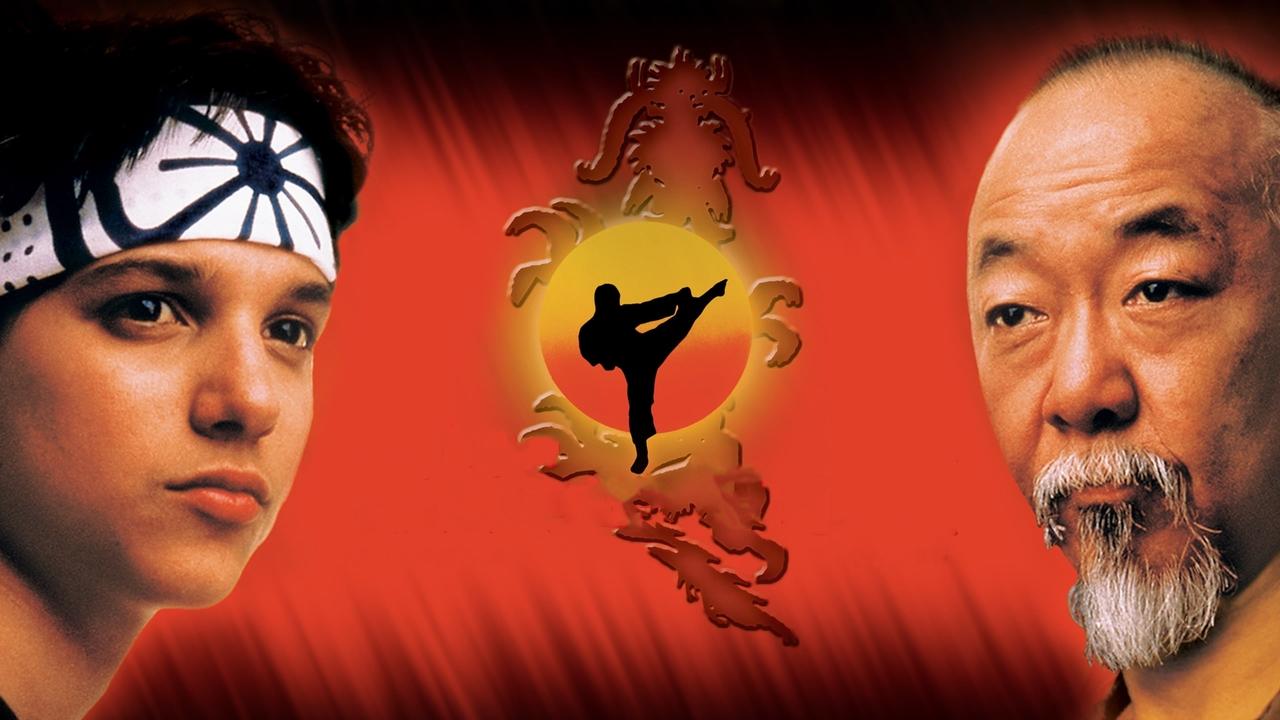
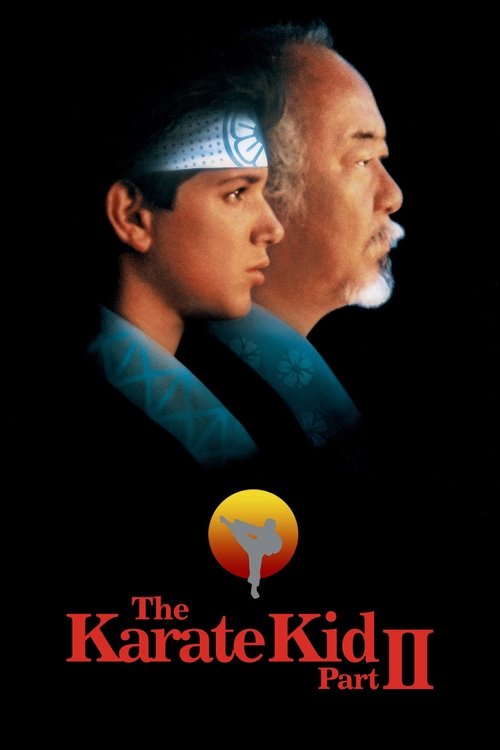
(1986)Daniel travels with Mr. Miyagi to Okinawa, where old family wounds, honor disputes, and a long-buried love story come back into focus. The film keeps the franchise’s mentor-student heart, but it also leans into martial-arts conflict, emotional strain, and a revenge-minded rivalry.
This sequel has a strong mentor theme and some good material about mercy, patience, and self-control, but the fighting and revenge talk are more intense than the first film. Christian families may want to talk through how the movie frames honor, retaliation, and the idea that victory comes through violence.
Use the PG rating as a starting point, then weigh the film’s heavier fight scenes and revenge-centered messages against the mercy themes it also presents.
Content Indicators

Reviewed 11 May 2026
Micah covers action, fantasy, and franchise releases, with close attention to violence, spiritual themes, and moral framing.
The Karate Kid Part II Christian Movie Review (1986)
Guidance: Talk Together
This sequel has a strong mentor theme and some good material about mercy, patience, and self-control, but the fighting and revenge talk are more intense than the first film. Christian families may want to talk through how the movie frames honor, retaliation, and the idea that victory comes through violence.
Why This Guidance Level
This sequel stays within mainstream PG territory, but the fighting is more than background action and the revenge language is a real part of the story. The film also carries a meaningful moral contrast between mercy and retaliation, so it gives families something worthwhile to discuss even as they weigh the intensity of the karate conflict and the way honor is treated as the highest good.
Faith & Worldview Perspective
The film values discipline, loyalty, patience, and mercy, and Mr. Miyagi’s counsel gives the story a clear moral center. Still, the Okinawa conflict often frames honor and retaliation as the main drivers of justice, while the repeated message that fighting settles disputes can sit uneasily beside Christian peacemaking and hope in Christ.
Truths Reflected
- Mercy and forgiveness are better than revenge.
- Mentorship, patience, and self-control have real value.
Tensions to Discuss
- The story treats retaliation and winning fights as a path to resolution.
- Honor culture and personal vengeance can overshadow humility, repentance, and peace.
Content & Discernment Markers
Occult & Spiritual Content
- Occult material does not stand out here. The film uses a few nature-and-discipline ideas around breathing and focus, but they function as training language rather than supernatural practice.
Sexuality & Relationships
- Romantic material stays mild. The story includes Miyagi’s past love for Yukie and Daniel’s interest in Kumiko, but there is no explicit sexual content or crude behavior.
Identity Themes
- The Okinawa storyline centers on honor, family duty, and reputation, with lines like “In Okinawa, honor have no time limit” and “Sato feel disgrace.” Parents may want to discuss whether family honor should ever outrank truth, mercy, and obedience to God.
Violence & Intensity
- The karate conflict is the film’s biggest surface concern. Characters shout “Sweep the leg,” “No mercy,” and “He can’t breathe!” during a fight that turns frightening enough for bystanders to fear serious injury. Parents may want to discuss how the movie presents violence as a solution.
Language & Humour
- Language stays in the mild range, but parents will notice insults and rough slang such as “cream puff,” “loser,” “That sucks,” and “slope.” The speech is more taunting than profane, yet it fits the film’s combative tone.
Other Content Notes
- The film carries emotional strain around illness, humiliation, and unresolved family conflict, especially when characters speak about a sick father and old grievances. These moments matter because they deepen the story beyond the fights.
Notable Moments
- Mercy versus revenge: Miyagi directly answers the film’s revenge talk by saying that a person without forgiveness carries a punishment worse than death. This is one of the clearest moral moments in the movie and a good place for families to talk about mercy in Christ.
“for person with no forgiveness in heart, living even worse punishment than death”
- Crane Technique training: Miyagi teaches Daniel patience and focus through breathing and balance: “First learn stand, then learn fly.” The scene highlights discipline and trust in a mentor.
“First learn stand, then learn fly.”
- Fight turns dangerous: During the tournament, the crowd and fighters escalate into threats and panic, with Daniel shouting that his opponent cannot breathe. The scene shows how quickly the movie’s conflict becomes physically intense.
“He can’t breathe!”
Discussion Prompts
- Mercy and forgiveness: What does the movie say about mercy, and how does that compare with forgiving others when they wrong us?
- Biblical guidance: Jesus teaches His followers to forgive, and Christian hope in Christ gives us a different answer than revenge.
- Scripture: Matthew 6:14-15, Romans 12:19-21
- Strength and self-control: Why does the film treat winning a fight as so important, and what does real strength look like in everyday life?
- Biblical guidance: Scripture points to self-control, humility, and peace rather than proving ourselves through violence.
- Scripture: Galatians 5:22-23, Proverbs 16:32
- Honor and family duty: When the movie talks about honor and family expectations, what feels wise, and what feels out of step with following God?
- Biblical guidance: Families matter, but God’s truth and righteousness come first.
- Scripture: Exodus 20:12, Micah 6:8
Common questions about The Karate Kid Part II
- What age is The Karate Kid Part II suitable for?
- The Karate Kid Part II suits children of about 8 and older in most families. That follows its official classification. It is rated PG in Australia, the US, New Zealand, the UK and Canada. The karate conflict is the film’s biggest surface concern.
- Is The Karate Kid Part II okay for a 6-year-old?
- The Karate Kid Part II is generally better suited to children of about 8 and up, so a 6-year-old may find parts of it a stretch. It is rated PG in Australia, the US, New Zealand, the UK and Canada. The karate conflict is the film’s biggest surface concern. Families comfortable watching a little above the classification together may still be fine with it.
Age guidance is derived from this review's content findings and the film's official classifications. It is a starting point for your own judgement, not a rule.
Parent comments
Leave a comment on this review
Share a short note on The Karate Kid Part II, or help other parents with discernment.
Submit will ask you to sign in first.
Weekend family picks
Get the short family movie list before the weekend
Example newsletter: 3 movies to watch this weekend with your family, plus one question to ask after the credits.
Sample: 3 movies to watch this weekend with your family
One cinema pick, one streaming pick, one conversation-starter pick.
Related Articles
A few bigger-picture reads for parents who want more context than a single review page can hold.
Animal Farm And Talking With Kids About Power, Truth, And Sin
Animal Farm can help older children see how slogans, fear, and corrupted authority distort truth, but parents should frame the story with a biblical view of sin.
Read article
5 Things To Notice In Kids Movies Before The Message Lands
A child can absorb a movie long before they can explain it. These five checkpoints help Christian parents notice what a film is training the heart to love, fear, excuse, or trust.
Read article
How To Talk With Kids About Magic, Fate, And Spiritual Themes In Movies
Many family movies use magic, destiny, spirits, or cosmic balance to drive the story. This article helps Christian parents respond without overreacting, while still drawing clear lines back to biblical truth.
Read articleMore Reviews




Official regional ratings
Local ratings remain available for reference, but LionLens separates those classifications from Christian family discernment.
Review Method
How this review was prepared
LionLens reviews are written with subtitle and dialogue evidence where available, official regional ratings data, source research, and final human editorial review before publication.