
Human Reviewed
Parent feedback
43 families found this review helpful
Christian Movie Review
The Jungle Book Christian Movie Review
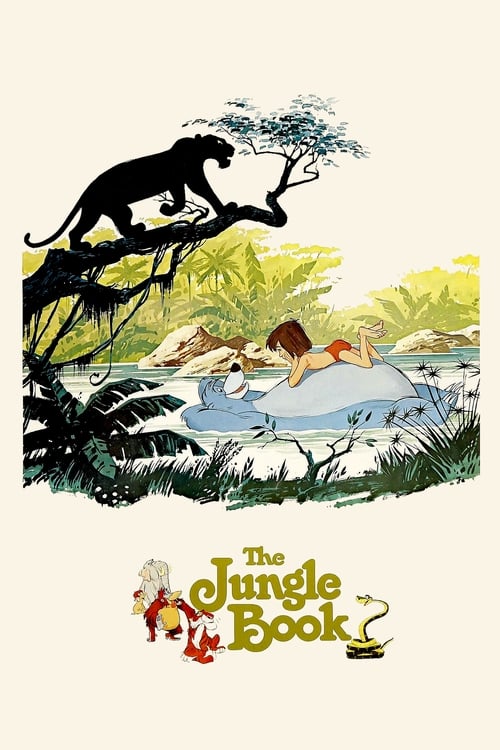
(1967)This Disney animated classic follows Mowgli, a boy raised by wolves in the Indian jungle, as his guardian Bagheera tries to lead him to safety in the man-village. The film mixes playful songs and comic animal characters with real danger from predators like Shere Khan and Kaa.
The surface content is mostly mild, but the jungle peril is real and the film carries some worldview and cultural material worth talking through. Families may want to discuss belonging, authority, and the film’s treatment of human life and civilization.
Use the content rating to gauge the mild peril, and the guidance rating to decide whether the film’s themes are worth a family conversation.
Content Indicators

Reviewed 6 May 2026
Rachel focuses on animated films, family viewing habits, and helping parents spot worldview themes quickly.
The Jungle Book Christian Movie Review (1967)
Guidance: Talk Together
The surface content is mostly mild, but the jungle peril is real and the film carries some worldview and cultural material worth talking through. Families may want to discuss belonging, authority, and the film’s treatment of human life and civilization.
Why This Guidance Level
This is a gentle family film on the surface, with songs, humor, and only stylized danger, so the content rating stays mild. The reason for a more thoughtful guidance label is the film’s message work: Mowgli’s identity, the pull between the jungle and human society, and the way authority and belonging are framed can all prompt useful family discussion. Nothing here is heavy-handed, but the themes are meaningful enough that Christian parents may want to talk afterward rather than simply treat it as background entertainment.
Faith & Worldview Perspective
The movie celebrates friendship, courage, and care for the vulnerable, and it gives a clear sense that life in the jungle is dangerous and that guidance matters. At the same time, it treats human identity and civilization in a simplified way, and the story’s sense of belonging is tied more to place and tribe than to the deeper identity Christians find in Christ. Parents may want to discuss how God gives people dignity as image-bearers, not just as members of a pack or a village.
Truths Reflected
- Protecting the vulnerable is good and necessary.
- Friendship and wise mentorship matter.
Tensions to Discuss
- Identity is framed mainly by where Mowgli belongs, rather than by being made in God’s image and finding lasting hope in Christ.
- The film’s view of human life and civilization is mixed, which can blur a biblical sense of human dignity and stewardship.
Content & Discernment Markers
Occult & Spiritual Content
- Occult material does not stand out here. Kaa’s hypnotic stare and the jungle’s strange atmosphere are more fantasy peril than spiritual instruction, though younger children may still find the snake sequence unsettling.
Sexuality & Relationships
- Romantic or sexual material does not play a meaningful role in the film.
Identity Themes
- The story centers on Mowgli being told, “The man cub can no longer stay with the pack,” and Bagheera insisting, “I’m taking you to a man village.” That conflict over where he belongs drives the whole film and gives parents a natural chance to discuss identity, family, and what it means to belong in God’s care.
Violence & Intensity
- Shere Khan’s threat hangs over the story from the opening council scene: “He has sworn to kill you” and “Shere Khan will surely kill the boy and all who try to protect him.” The danger is stylized rather than graphic, but the tiger, snake, and other jungle threats create steady suspense that may feel intense for sensitive children.
Language & Humour
- Language is very mild overall. The sharpest lines are threats and taunts like “delicious man cub,” “you wouldn’t last one day,” and Kaa’s repeated “man cub” hissing, which are more menacing than profane.
Other Content Notes
- The film contrasts the jungle with the man-village and treats civilization in a mixed way, including the line that Shere Khan hates man and fears a boy growing up to be “just another hunter with a gun.” Parents may want to discuss how the movie presents human life, authority, and the difference between wise stewardship and destructive power.
Notable Moments
- Council decision: The wolf council decides Mowgli can no longer stay with the pack because Shere Khan has returned. It is a key moment about protection, fear, and belonging.
“The man cub can no longer stay with the pack.”
- Kaa’s hypnosis: Kaa tries to lull Mowgli to sleep with a sing-song voice and a fixed stare, turning a comic scene into a tense predator encounter.
“Please go to sleep, man cub.”
- Bagheera’s warning: Bagheera presses Mowgli to leave the jungle and go to the man-village, making the film’s central conflict plain.
“I’m taking you to a man village.”
Discussion Prompts
- Belonging and identity: What does Mowgli think makes him belong somewhere, and what does the Bible say gives a person worth and identity?
- Biblical guidance: Scripture teaches that people are made in God’s image and belong to Him before they belong to any group. Christian hope in Christ gives a deeper identity than tribe, talent, or place.
- Scripture: Genesis 1:27, 1 Peter 2:9, Colossians 3:3
- Protection and wisdom: Why does Bagheera keep trying to move Mowgli to safety, and when does wise protection become loving care?
- Biblical guidance: The Bible values wise guidance, discipline, and protection for the vulnerable. Parents can connect Bagheera’s role to God’s care and to the responsibility adults have to lead children well.
- Scripture: Proverbs 22:6, Psalm 91:1-2
- Human dignity and stewardship: How does the movie talk about humans, and how is that different from the Bible’s view of people as God’s image-bearers?
- Biblical guidance: Christians can affirm that creation is good while also remembering that people are not just another animal in the forest. God gives human life dignity and responsibility.
- Scripture: Genesis 1:28, Psalm 8:4-6
Common questions about The Jungle Book
- What age is The Jungle Book suitable for?
- The Jungle Book suits children of about 6 and older in most families. The main reason is violence and peril. Shere Khan’s threat hangs over the story from the opening council scene: "He has sworn to kill you" and "Shere Khan will surely kill the boy and all who try to protect him."
- Is The Jungle Book okay for a 4-year-old?
- The Jungle Book is generally better suited to children of about 6 and up, so a 4-year-old may find parts of it a stretch. Shere Khan’s threat hangs over the story from the opening council scene: "He has sworn to kill you" and "Shere Khan will surely kill the boy and all who try to protect him." Families whose children handle violence and peril well may still be comfortable watching together.
Age guidance is derived from this review's content findings and the film's official classifications. It is a starting point for your own judgement, not a rule.
Parent comments
Leave a comment on this review
Share a short note on The Jungle Book, or help other parents with discernment.
Submit will ask you to sign in first.
Weekend family picks
Get the short family movie list before the weekend
Example newsletter: 3 movies to watch this weekend with your family, plus one question to ask after the credits.
Sample: 3 movies to watch this weekend with your family
One cinema pick, one streaming pick, one conversation-starter pick.
Related Articles
A few bigger-picture reads for parents who want more context than a single review page can hold.
Animal Farm And Talking With Kids About Power, Truth, And Sin
Animal Farm can help older children see how slogans, fear, and corrupted authority distort truth, but parents should frame the story with a biblical view of sin.
Read article
5 Things To Notice In Kids Movies Before The Message Lands
A child can absorb a movie long before they can explain it. These five checkpoints help Christian parents notice what a film is training the heart to love, fear, excuse, or trust.
Read article
How To Talk With Kids About Magic, Fate, And Spiritual Themes In Movies
Many family movies use magic, destiny, spirits, or cosmic balance to drive the story. This article helps Christian parents respond without overreacting, while still drawing clear lines back to biblical truth.
Read articleMore Reviews


Official regional ratings
Local ratings remain available for reference, but LionLens separates those classifications from Christian family discernment.
Review Method
How this review was prepared
LionLens reviews are written with subtitle and dialogue evidence where available, official regional ratings data, source research, and final human editorial review before publication.