
Human Reviewed
Parent feedback
43 families found this review helpful
Christian Movie Review
The Iron Giant Christian Movie Review
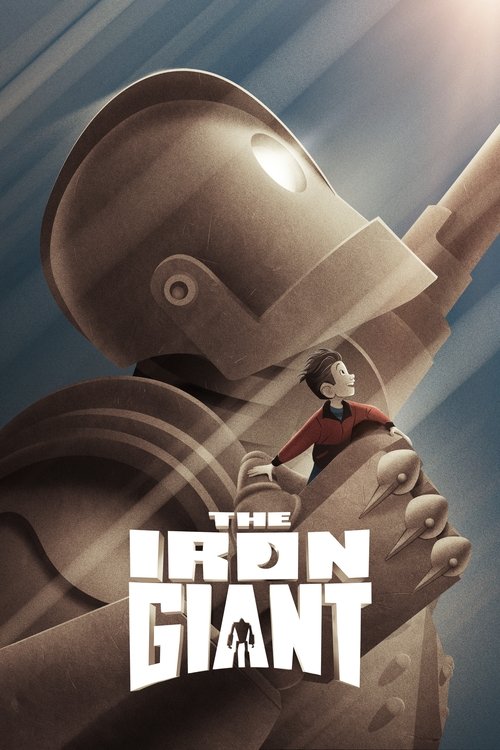
(1999)Set in the late 1950s, this animated story follows a boy named Hogarth who discovers a giant robot and tries to protect it from fearful adults and the military. The film mixes adventure, comedy, and heartfelt friendship with Cold War tension and a strong emotional ending.
This is a warm, thoughtful family film with mild action peril, a few coarse words, and some scary chase scenes. Its biggest value for Christian families is the way it celebrates sacrifice, friendship, and choosing what is right, while also inviting discussion about identity and moral formation.
Use the content rating for the action and language, and the Christian guidance rating for the film’s deeper message about identity, fear, and self-chosen morality.
Content Indicators

Reviewed 19 May 2026
Esther handles review quality, clarity, and the practical guidance families need after the credits roll.
The Iron Giant Christian Movie Review (1999)
Guidance: Talk Together
This is a warm, thoughtful family film with mild action peril, a few coarse words, and some scary chase scenes. Its biggest value for Christian families is the way it celebrates sacrifice, friendship, and choosing what is right, while also inviting discussion about identity and moral formation.
Why This Guidance Level
This is a gentle but not empty family film. The action is frequent enough to matter for younger children, with chases, explosions, gunfire, crashes, and a few tense scenes, and the language includes a handful of mild coarse words. The deeper concern is the film’s repeated message that a person defines himself by choice alone, which is worth a Christian conversation even though the story also honors courage, compassion, and self-sacrifice.
Faith & Worldview Perspective
The film has a warm moral imagination and treats fear, prejudice, and selfishness as real problems. It also gives one of its clearest lines to a self-made view of identity, so parents may want to discuss how Christian hope in Christ shapes who we are more deeply than personal willpower or public opinion.
Truths Reflected
- Sacrificial love protects others
- Fear and prejudice can distort judgment
Tensions to Discuss
- Identity is presented as self-chosen rather than received from God
- Moral truth is tied too closely to personal preference and self-definition
Content & Discernment Markers
Occult & Spiritual Content
- Occult material does not stand out here. The film uses science-fiction ideas and a few spooky nighttime moments, but it does not center on magic, ritual, or spiritual practice outside a biblical framework.
Sexuality & Relationships
- Romantic or sexual material is not a feature of the story. The emotional focus stays on Hogarth, his mother, and the robot’s friendship with the boy.
Identity Themes
- The film repeatedly returns to the line, “You are what you choose to be,” and Hogarth insists, “He’s not a pet, Mom. He’s a friend.” That gives the story a strong identity-and-conscience theme, but it also makes self-definition sound final. Parents may want to discuss how Christian identity is shaped by God’s truth, not just by personal choice.
Violence & Intensity
- The robot is chased, shot at, hit by a train, and caught in explosions and crashes as the military closes in. The action is stylized and not graphic, but the repeated danger gives the film real tension, especially in the forest and nighttime scenes. Parents may want to prepare younger children for the loud, frightening pursuit sequences.
Language & Humour
- Language stays mild overall, but parents will notice a few uses of “hell,” along with “omigod,” “butt,” and some sharp teasing and exasperated remarks. The words are not constant, yet they are noticeable in a family film.
Other Content Notes
- The film’s emotional center is the friendship between Hogarth and the Giant, especially when Hogarth says, “I believe you,” and later insists that the Giant is not a threat. The story’s warmth and its final act of self-giving courage are major strengths.
Notable Moments
- Friendship declared: Hogarth insists that the Giant is not a pet but a friend, which captures the film’s tenderness and its theme of seeing beyond appearances.
“He’s not a pet, Mom. He’s a friend.”
- Identity statement: The film repeats its clearest moral line about self-definition, making this one of the main worldview moments for Christian families to discuss.
“You are what you choose to be.”
- Fearful misunderstanding: Adults quickly turn the strange event into panic and suspicion, showing how fear can distort judgment and stir a crowd against what it does not understand.
“It’s probably been sent by foreign enemies to take over the country.”
- Nighttime alarm: The dark house scene with roaring, thudding footsteps, and Annie’s frightened search for Hogarth is one of the film’s most intense stretches for younger viewers.
“HOGARTH? HOGARTH! MOM! WHAT DO YOU THINK YOU’RE DOING?”
Discussion Prompts
- Identity and truth: What do you think the movie means by “You are what you choose to be,” and how is that different from the way God speaks about who we are?
- Biblical guidance: Scripture teaches that our lives are meant to be shaped by God’s truth, not only by our own preferences or feelings. In Christ, identity is received and renewed, not merely invented.
- Scripture: Romans 12:2, 2 Corinthians 5:17, John 8:31-32
- Fear and courage: Why do the adults panic so quickly, and what helps Hogarth keep trusting the Giant when others are afraid?
- Biblical guidance: Fear can spread fast, but Scripture calls believers to courage, wisdom, and love rather than panic. Christians can ask God for discernment when a crowd is wrong.
- Scripture: 2 Timothy 1:7, Proverbs 3:5-6, 1 John 4:18
- Sacrifice and love: What does the Giant’s final choice show about protecting others, and how does that point beyond heroism to Christ’s self-giving love?
- Biblical guidance: The film’s best moment echoes the shape of sacrificial love. Jesus Christ shows the fullest picture of giving oneself for others.
- Scripture: John 15:13, Philippians 2:3-8, 1 John 3:16
Common questions about The Iron Giant
- What age is The Iron Giant suitable for?
- The Iron Giant suits children of about 8 and older in most families. That follows its official classification. It is rated PG in Australia, the US, New Zealand, the UK and Canada. Language stays mild overall, but parents will notice a few uses of “hell,” along with “omigod,” “butt,” and some sharp teasing and exasperated remarks.
- Is The Iron Giant okay for a 6-year-old?
- The Iron Giant is generally better suited to children of about 8 and up, so a 6-year-old may find parts of it a stretch. It is rated PG in Australia, the US, New Zealand, the UK and Canada. Language stays mild overall, but parents will notice a few uses of “hell,” along with “omigod,” “butt,” and some sharp teasing and exasperated remarks. Families comfortable watching a little above the classification together may still be fine with it.
Age guidance is derived from this review's content findings and the film's official classifications. It is a starting point for your own judgement, not a rule.
Parent comments
Leave a comment on this review
Share a short note on The Iron Giant, or help other parents with discernment.
Submit will ask you to sign in first.
Weekend family picks
Get the short family movie list before the weekend
Example newsletter: 3 movies to watch this weekend with your family, plus one question to ask after the credits.
Sample: 3 movies to watch this weekend with your family
One cinema pick, one streaming pick, one conversation-starter pick.
Related Articles
A few bigger-picture reads for parents who want more context than a single review page can hold.
Animal Farm And Talking With Kids About Power, Truth, And Sin
Animal Farm can help older children see how slogans, fear, and corrupted authority distort truth, but parents should frame the story with a biblical view of sin.
Read article
5 Things To Notice In Kids Movies Before The Message Lands
A child can absorb a movie long before they can explain it. These five checkpoints help Christian parents notice what a film is training the heart to love, fear, excuse, or trust.
Read article
How To Talk With Kids About Magic, Fate, And Spiritual Themes In Movies
Many family movies use magic, destiny, spirits, or cosmic balance to drive the story. This article helps Christian parents respond without overreacting, while still drawing clear lines back to biblical truth.
Read articleMore Reviews


Official regional ratings
Local ratings remain available for reference, but LionLens separates those classifications from Christian family discernment.
Review Method
How this review was prepared
LionLens reviews are written with subtitle and dialogue evidence where available, official regional ratings data, source research, and final human editorial review before publication.